Drive-Then-Drop: Use the Drive to Set Up an Easy Drop
Ty Butson’s drive-to-drop pattern keeps a strong drive as a weapon without giving free air volleys forever.

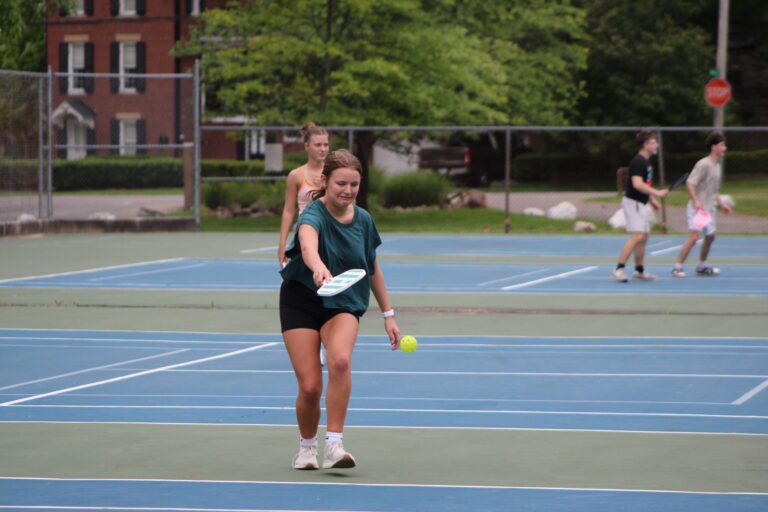
Ty Butson’s drive-to-drop pattern keeps a strong drive as a weapon without giving free air volleys forever.
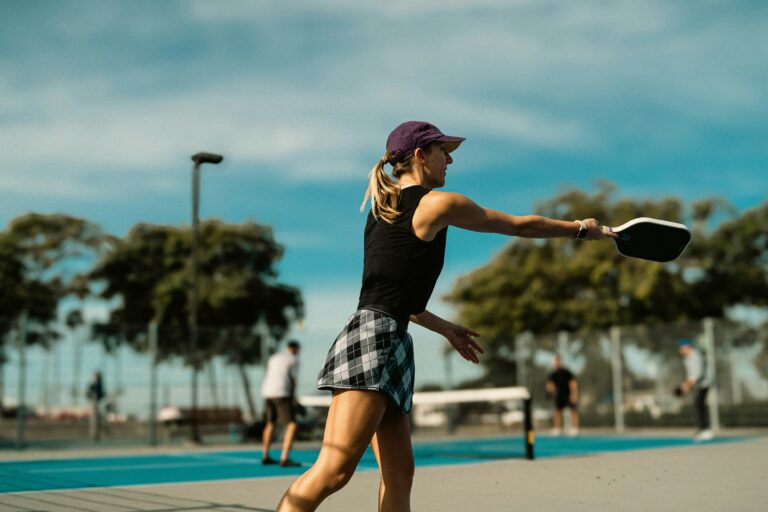
Shea Underwood’s kitchen speed-up drill is built for getting to 5.0: one partner is the designated attacker until they win five rallies.
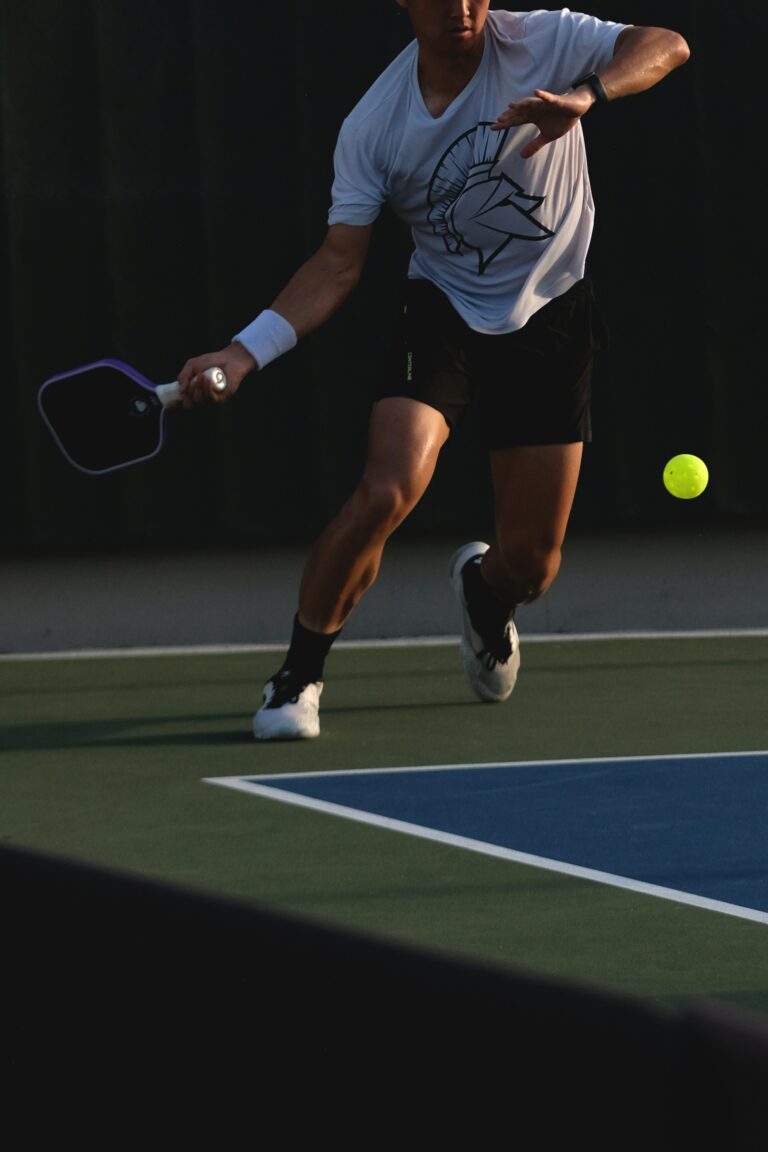
Pickleball Daily clears up a common kitchen-line myth: your paddle can cross the plane of the net — after you legally hit the ball on your side.
John Cincola’s favorite fast-hands cue: on normal shots you can take a small backswing, but in a hands battle you’re fighting time.
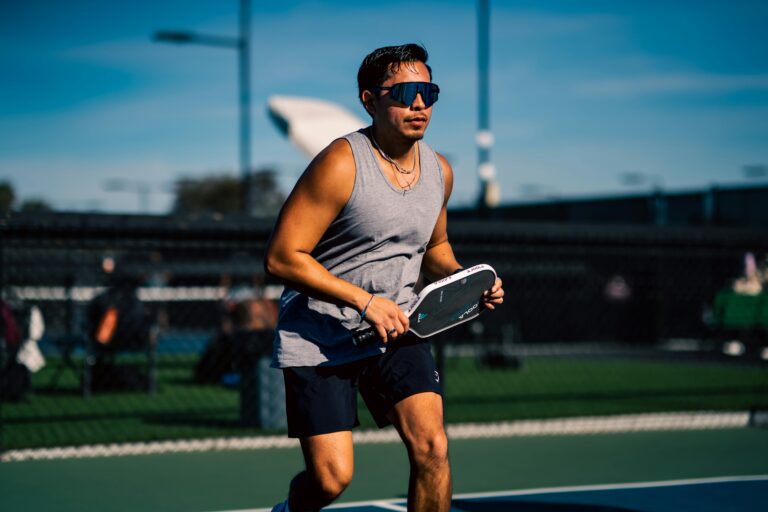
Universal Rackets flips the “always cover middle” mantra: the #1 reason you get passed down the line is overshading for the forehand and abandoning the line.

Universal Rackets on shading: keep adjusting toward the middle until the opponent shows they can punish you.
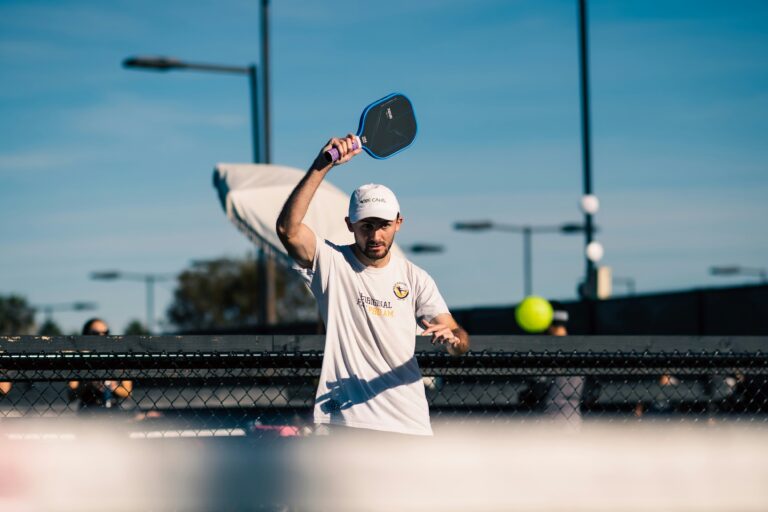
Aylex walks the USA Pickleball Equipment Standards: a legal ball needs 26–40 circular holes (section 2.D.8), weighs 0.78–0.935 oz (always under 1 oz), and measures 2.87–2.97 inches across with tight out-of-round limits.

Aylex Pickleball Academy covers what happens when the ball breaks mid-point: you still finish the rally (2026 USA Pickleball Rule 10.G).
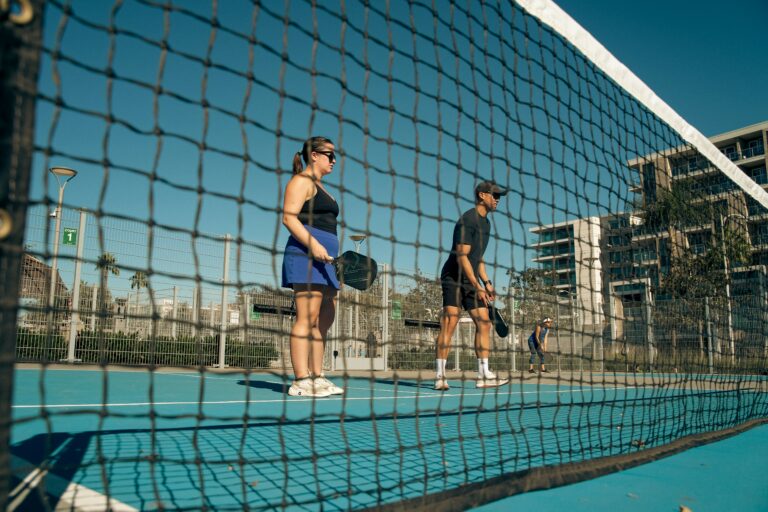
Universal Rackets simplifies miss diagnosis: net means you need more up; long means you need more forward.
Universal Rackets nails the classic middle-ball freeze: both partners look at each other and the point dies.