Drop Serve: Unlimited Bounces, Natural-Height Drop Only
Aylex flags Rules 7.D.3 and 7.D.4: on a drop serve there is no limit on how many times the ball may bounce before you hit it, and no limit on where those bounces occur.
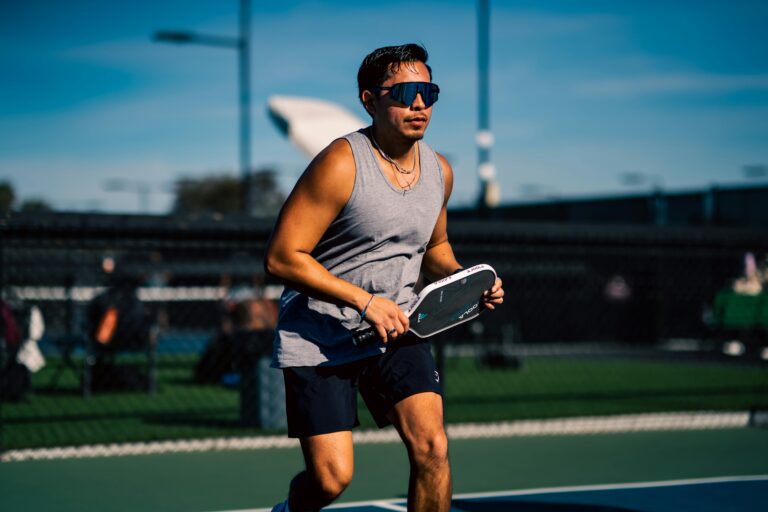
Aylex flags Rules 7.D.3 and 7.D.4: on a drop serve there is no limit on how many times the ball may bounce before you hit it, and no limit on where those bounces occur.

Aylex cites USA Pickleball Rule 7.E: the serve must clear the non-volley zone with or without touching the net and land in the correct service court. Rule 13.A keeps a net-touch ball in play.
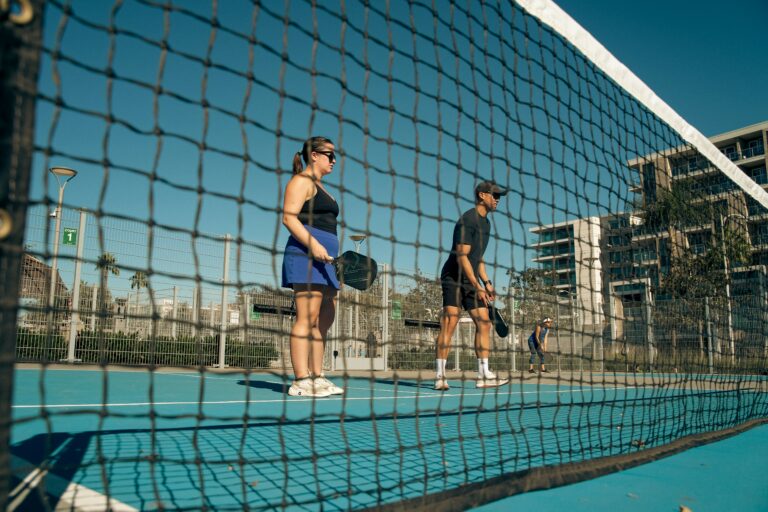
Kyle Koszuta compresses the core rules: underhand serve from behind the baseline diagonally into the opposite box past the NVZ line; each side must let the serve and return bounce (two-bounce rule); then either team may volley — except in the kitchen.
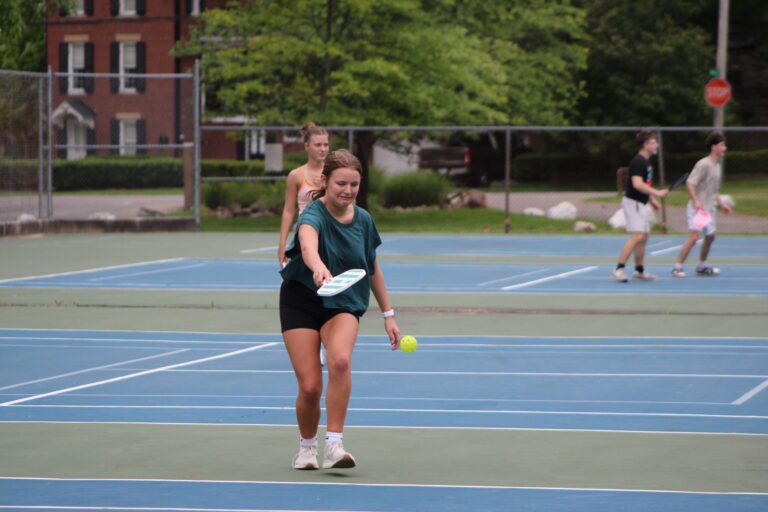
John Cincola’s Titan singles passing drill puts the machine at center baseline and you in midcourt opposite. Feeds come six at a time, alternating backhand and forehand, with a short break between sets.
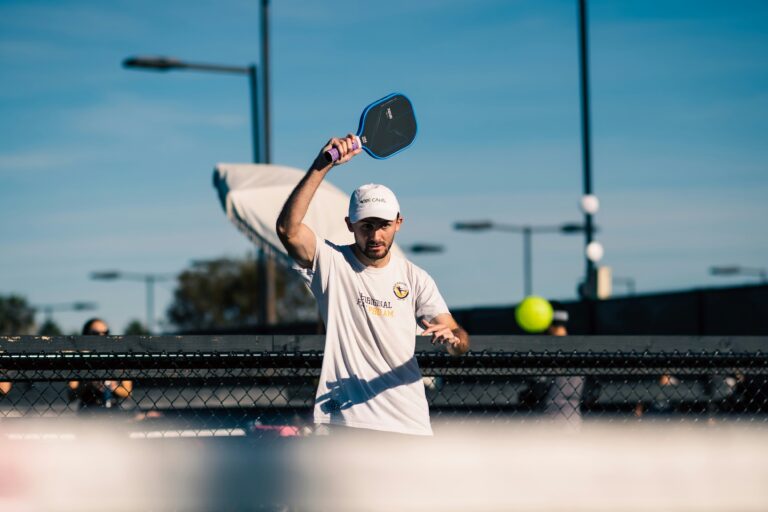
Troy Akin’s cue: the players who move up aren’t stacking more open-play games — they’re the ones drilling. Open play might give you ~10 dinks an hour; a drill block can give you hundreds, which is how a shot holds up when points get tight.

Jordan Briones breaks down a 3.0 women’s match for decision-making. Below 4.0, prioritize deep returns — or at least returns that buy time to reach the NVZ — and hit them with forward momentum instead of falling back.
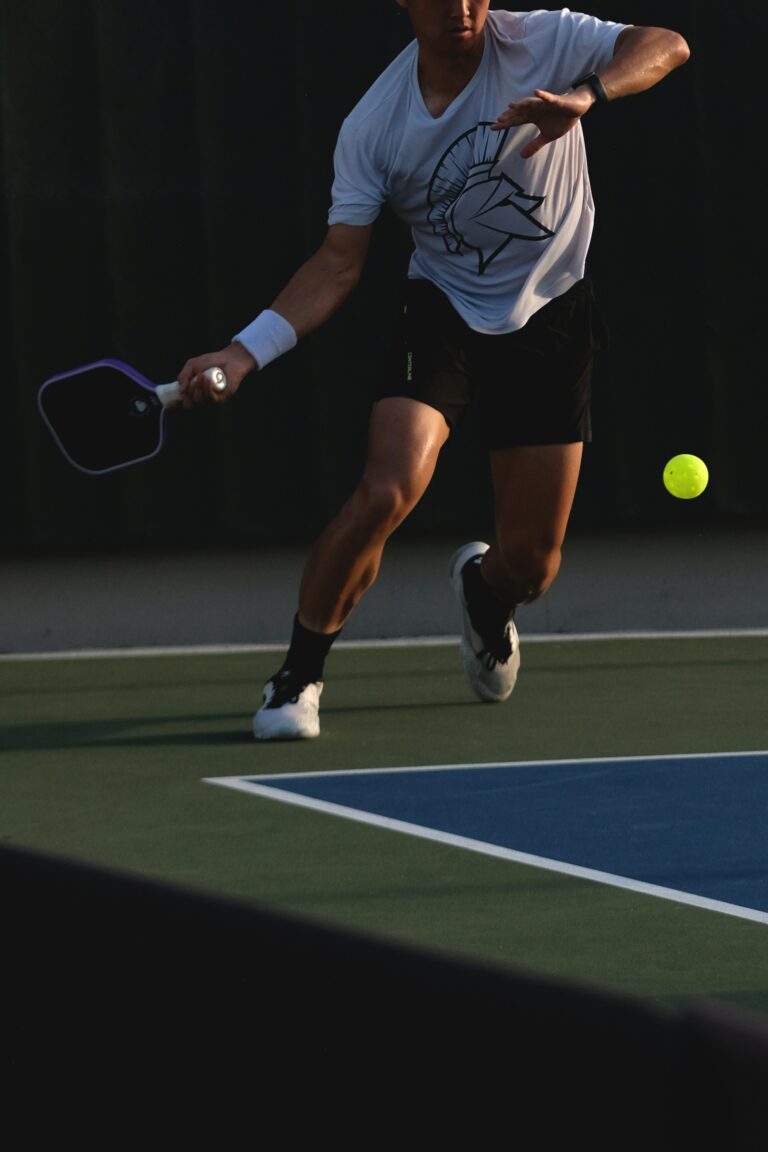
Marshall Brown (Selkirk TV) treats partner talk as a weapon against better teams. Before a third, a short call like “driving” or “go” tells your partner what to expect unless you’ve logged years together.
Coach Matthew Haley (Selkirk TV) closes a positioning series with the magnet mindset. After you get stretched wide, recover to a small magnet near your home spot — don’t camp where the last ball took you.
Tanner’s disguise cue for the backhand flick: amateurs stay planted in their box on an attackable dink, which makes a true down-the-line flick almost impossible — you’re stuck going through the middle.
Universal Rackets says slow hands usually come from two habits: taking the paddle back and flaring the elbow out, which gets you jammed.