Home Drills: Kitchen Stability, Hip Explosiveness, Split-Step Returns
Ed Ju’s at-home circuit is five mini-sets of five reps. First: stay low with a tight core so the upper body stays stable — kitchen control.
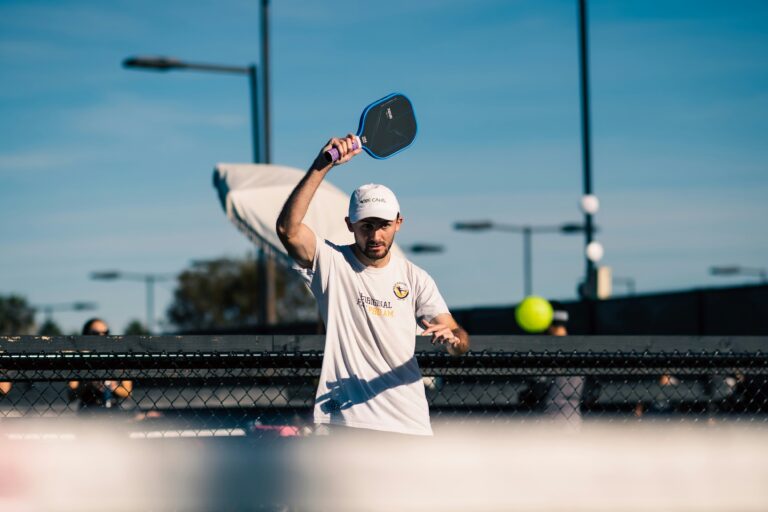
Ed Ju’s at-home circuit is five mini-sets of five reps. First: stay low with a tight core so the upper body stays stable — kitchen control.
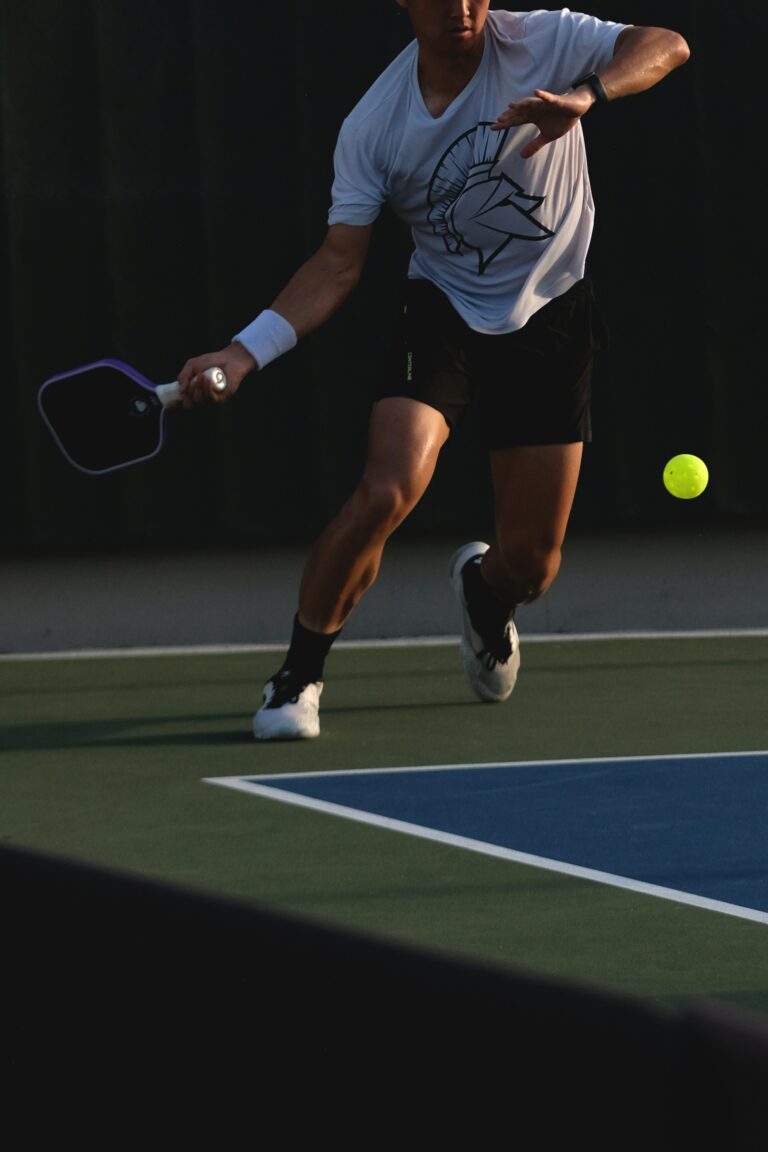
Pickleball Daily clears up a common kitchen myth: the non-volley zone is not off-limits. You can step in, stand there, and hit after the ball bounces.

Ben Johns (Pickleball 360) frames overhead defense as anticipation, not pure reaction.
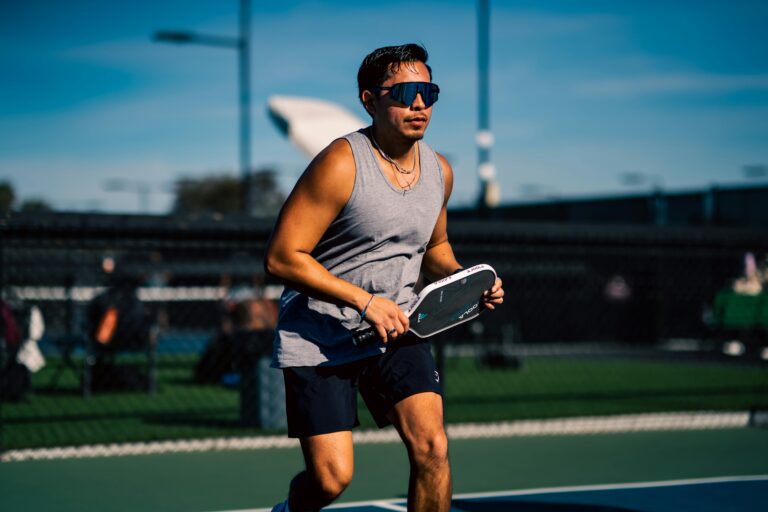
Richard Pickleball’s fix for topspin thirds that flatten into the net is grip pressure. A tight grip pops the ball off the face early; loosening lets the ball stay on the paddle longer, grab spin, and carry a little arc.
Universal Rackets maps common serve misses to swing mistakes. Stopping at contact sends it long; swinging too forward dumps into the net; swinging too upward sails out.
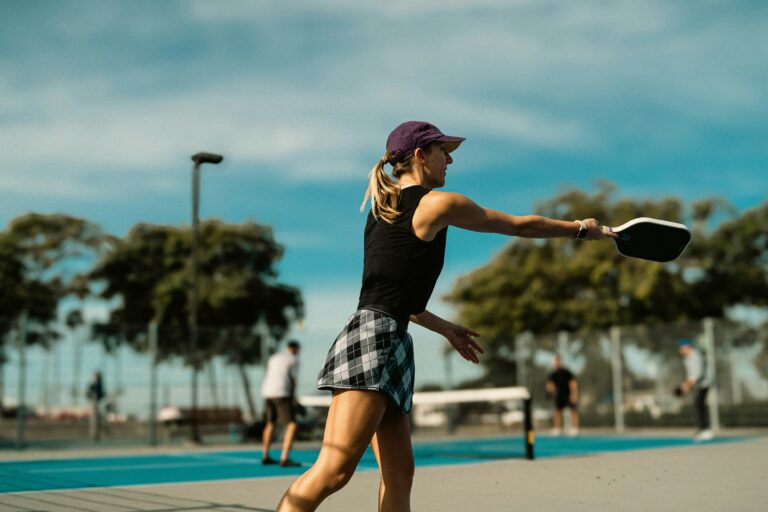
Coach Jess (Athena Pickleball): the ball will not come to you — get to it. On the forehand drive, get the back foot behind the ball, then press/load that leg.
Elite Pickleball Coaching: slicing a drop from the baseline is risky — if it does not bounce below the net, the opponent tees off as you come in and you cannot cover chest/feet/sides.

John Cincola’s Titan drill (cross-court right, rapid-fire) locks speed/horizontal/spin and varies height so some balls stay low dinks while random ones sit up.
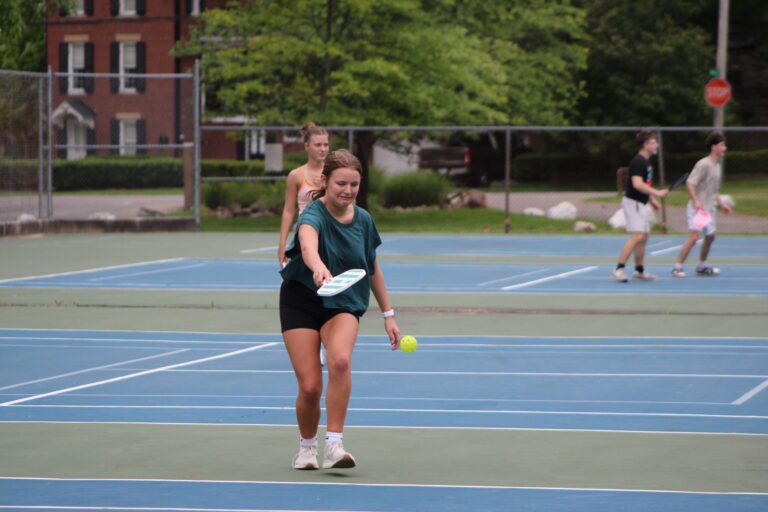
Universal Rackets: floating backhand slices usually mean you are chopping down under the ball. Keep a high-to-low shape, but drive through the ball instead of cutting under it.
Tanner’s third-shot guide keys off return depth. On a deep return, drive the first ball to create an easier next ball to drop.