Three BH Attacks: Roll Low, Flick High, Cross-Court When Middle Is Covered
Elite Pickleball Coaching keeps the backhand attack choice simple by ball height and coverage. Below net height: backhand roll.
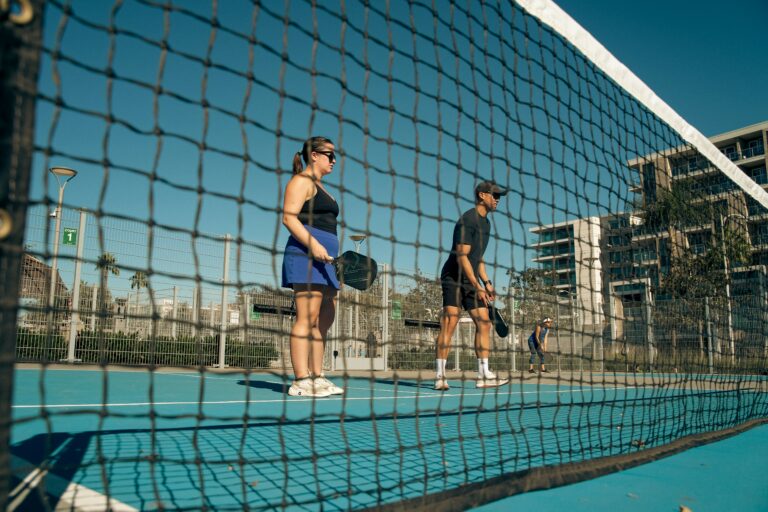
Elite Pickleball Coaching keeps the backhand attack choice simple by ball height and coverage. Below net height: backhand roll.
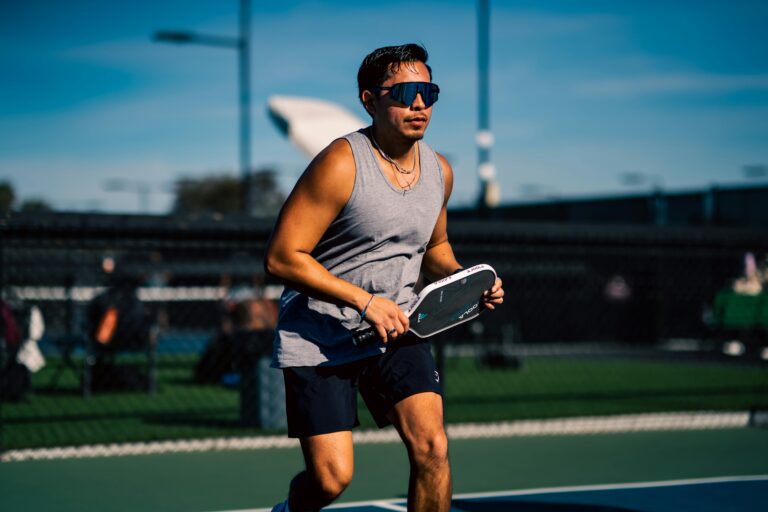
John Cincola’s short flags that backhand return problems usually start with the feet, not the swing — set footwork before you try to fix the paddle path.
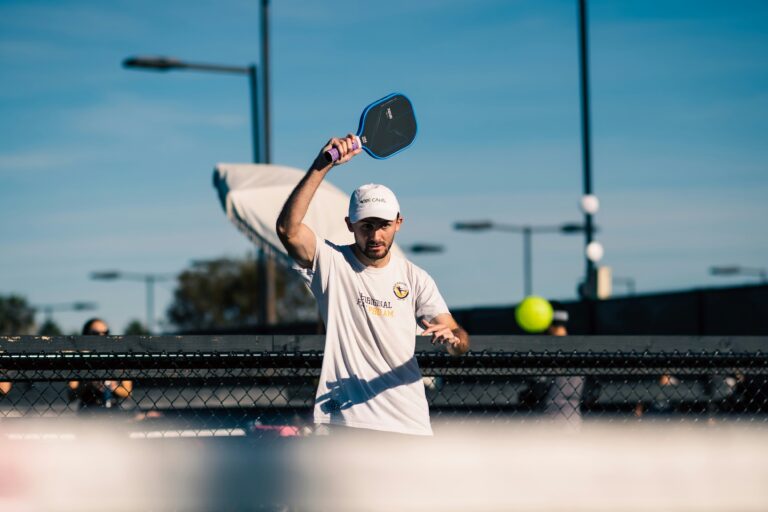
West Side Pickleball builds a heavy topspin serve from grip first: move off continental toward semi-western so the knuckle sits on the top bevel and the face closes for topspin.

Universal Rackets breaks serve faults into three mechanical causes — not nerves alone. First: inconsistent drop.
Universal Rackets gives three mechanical fixes for floating returns. Swing forward through the ball instead of upward.
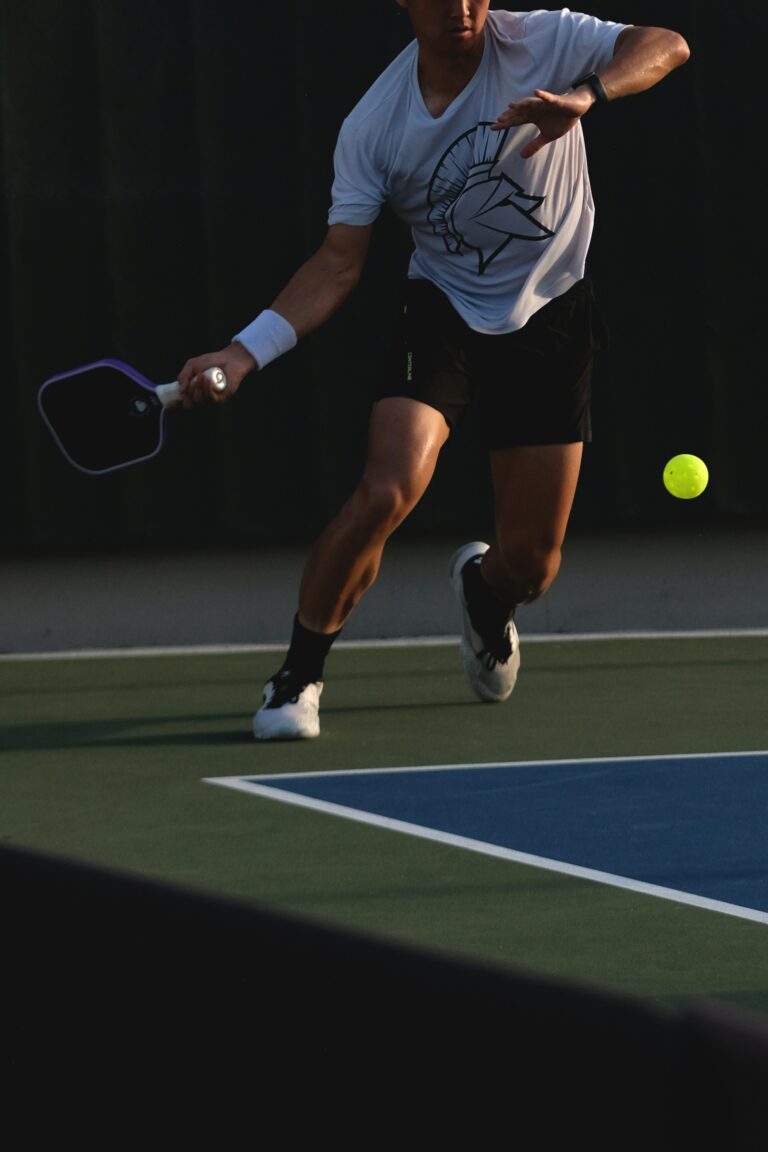
Jilly B with Mark Nahum (Newport Beach camp) on the flashy toolkit: backhand flick with disguise, forehand speed-ups and when to take them, ATPs, and counters off opponent speed-ups.

Universal Rackets reframes the speed-up: players try to end the point at 100% and miss into the net or long. A speed-up is about changing space/tempo — roughly 70% — not a pure heater.
All Things Pickleball flags the statue mistake after aggressive cross-court dinks: you hit the corner and stay there, opening a huge middle gap while your partner is on the line.
Ty Butson shows a through-the-legs putaway: perfectly legal when you hit clean off the bounce and never touch your partner (or their clothing). You are outside the kitchen; they are not contacting the ball.
Richard Pickleball maps counters to three situations. When the ball is wide to the backhand, add the second hand — one hand gets you jammed and off-balance on those stretch balls.