Ready Position: Low Athletic Base, Paddle Under the Nose
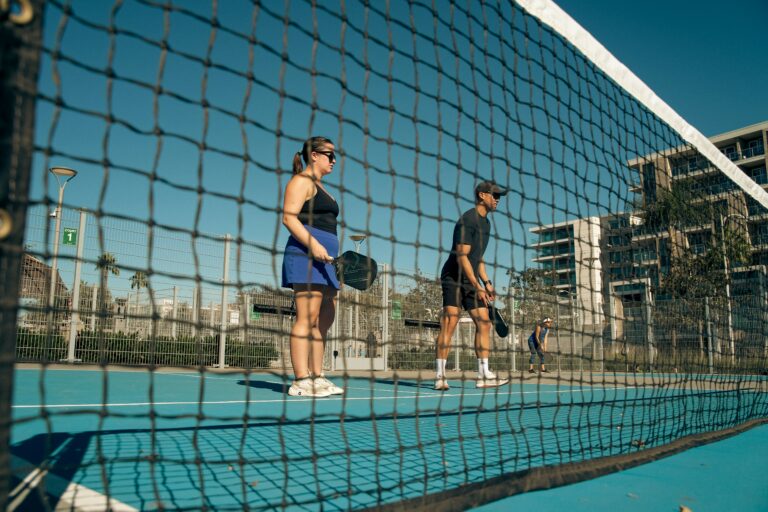
Aylex on ready position: feet shoulder-width, soft knees, butt out, chest up, paddle away from the chest and under the nose. Standing straight or tucking the paddle in kills your first step.
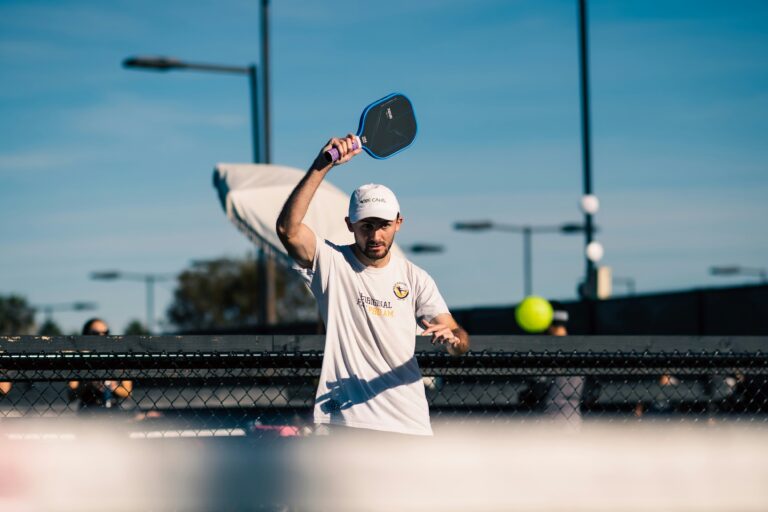
Aylex on ready position: feet shoulder-width, soft knees, butt out, chest up, paddle away from the chest and under the nose. Standing straight or tucking the paddle in kills your first step.
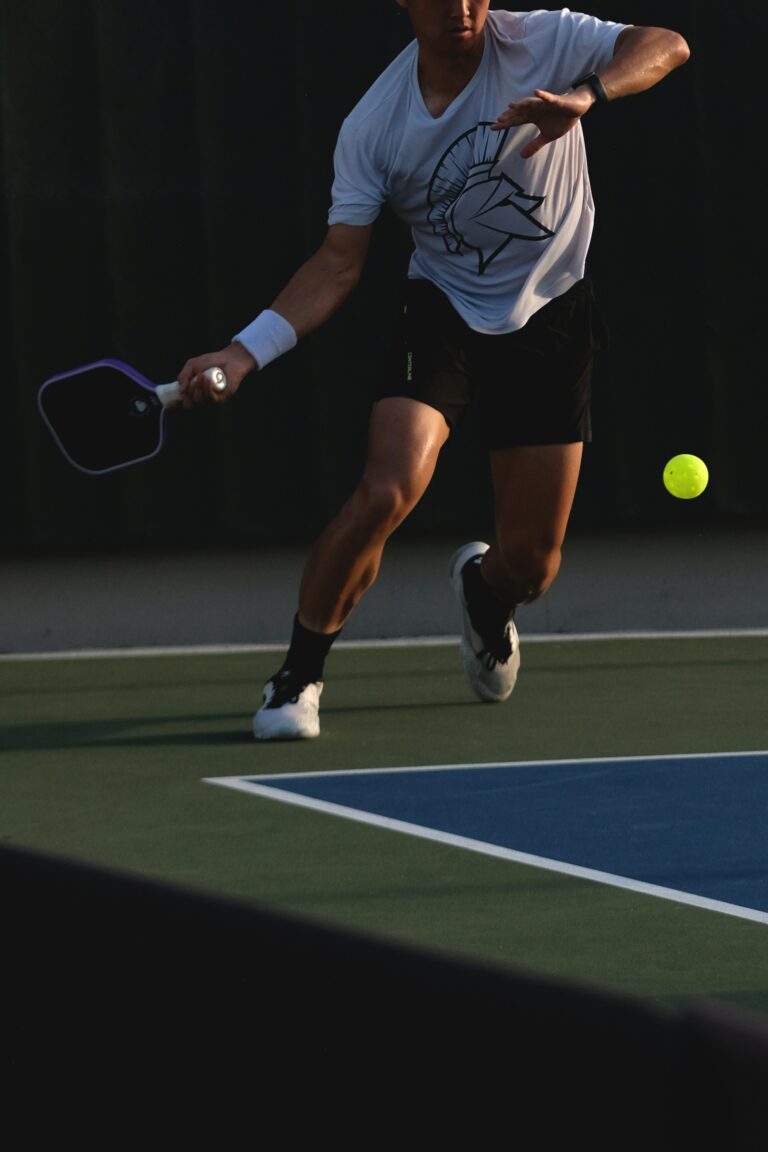
Aylex says ruined dinks often start with grip pressure. Hold the paddle like a light handshake — continental grip — so you see a V along the side bevel.

Aylex demonstrates the illegal paddle motion many players sneak onto serves: a clear high-to-low chop that never returns upward. Stopping in the downward path is a fault.
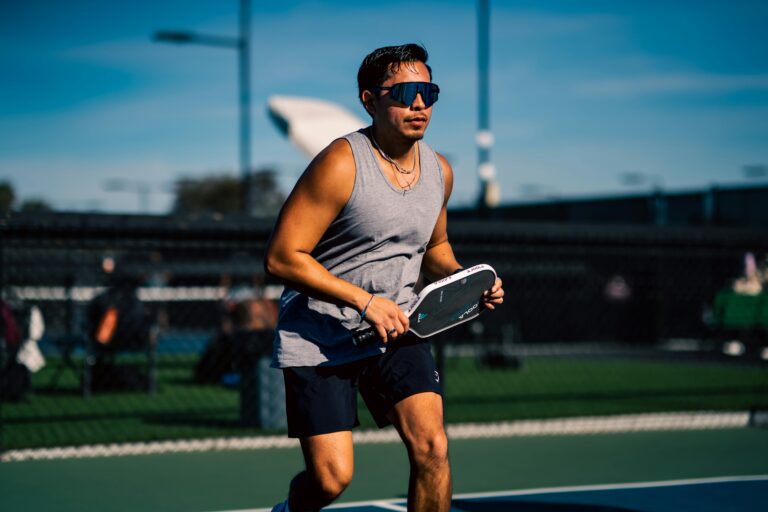
Aylex clears a myth: you can put topspin, slice, or sidespin on a (drop) serve. What matters is the paddle path still includes an upward arc.
Anna Leigh Waters on the lob serve: get it deep so returners take time and arrive late to the kitchen, and use the high bounce that leaves people uncomfortable above their strike zone. Same pre-serve routine as a hard serve for disguise.
Aylex Academy covers common illegal serves. On a drop serve, a toss or lift of the ball before the bounce is illegal — the ball should be dropped.
Troy Akin: if you’re not adding pressure from the serve, you leave easier thirds and free points on the table. Use whole-body weight — transfer from back foot to front so the back foot even comes forward after contact.

The Prince of Pickleball says backhand flicks die in the net because the swing path is too linear. Fix: when the ball is low, get the paddle beneath the ball’s equator and come up through contact.
Richard Pickleball on passive thirds: if opponents contact your drop between net height and knee height, follow it in so they concede the net instead of rolling at your feet.
World #21 Mari Humberg teaches Connor Garnett the one-handed backhand flick. Kitchen grip sits between Eastern and Continental; she often switches with the off hand.