Dead-Ball Speed-Ups: Step Back and Create Space
Richard Pickleball says the biggest dead-ball mistake is standing still once the ball dies — you jam yourself and waste the attack. Recognize the dead ball, take a step back, and get set early.
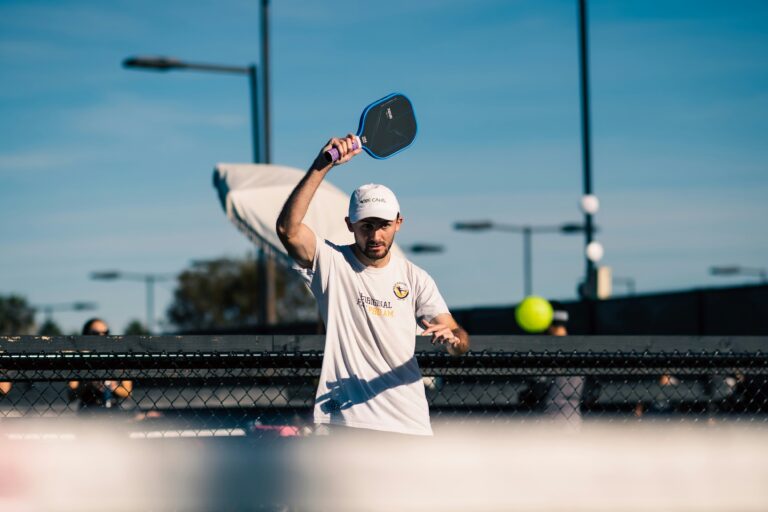
Richard Pickleball says the biggest dead-ball mistake is standing still once the ball dies — you jam yourself and waste the attack. Recognize the dead ball, take a step back, and get set early.
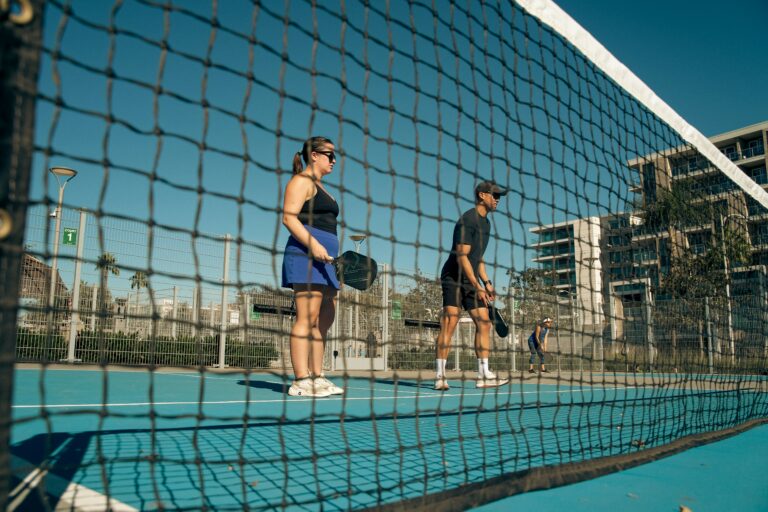
Universal Rackets reframes the speed-up: it is not meant to end the point — it starts a fast exchange. After you attack, reload instantly so you can finish the block back.
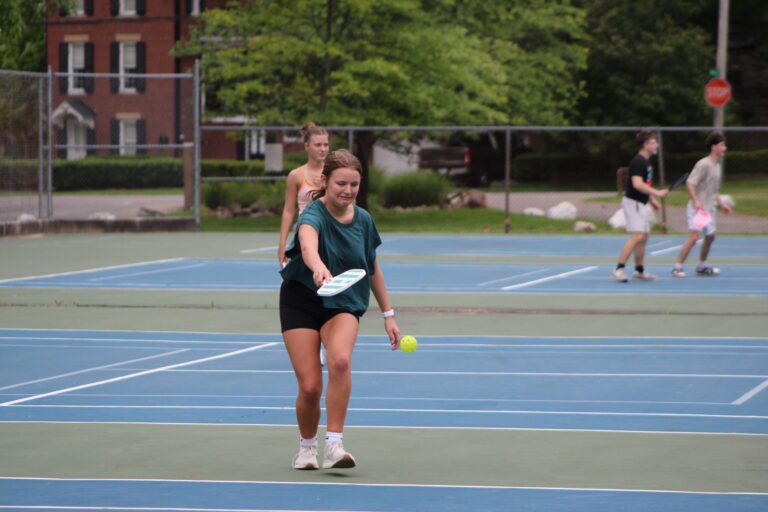
Marshall Brown (Selkirk TV) teaches beating better teams with the forward-momentum drive: hit the third and already crash so the returner’s margin shrinks and they miss under pressure.

Anna Leigh Waters breaks down one of her most advanced shots: the backhand poach.
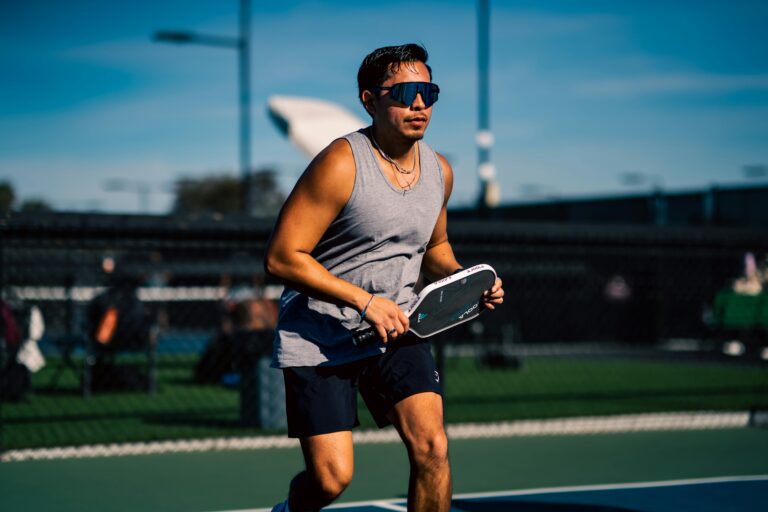
Universal Rackets on return mechanics: body and weight must go forward through the hit. Players err by contacting and falling backward, which floats the ball.

All Things Pickleball flags the biggest speed-up mistake: swinging from zero to one hundred. Huge swings are telegraphed and often sail long.
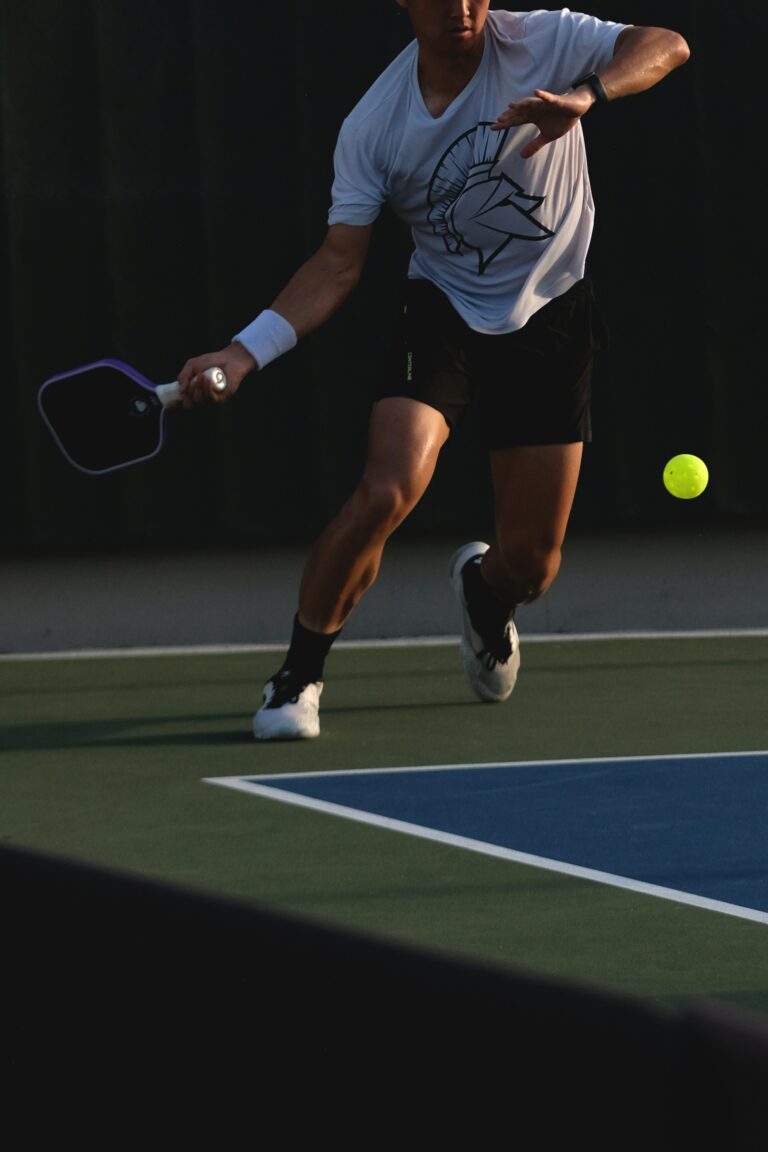
Tanner explains why amateurs struggle to flick low balls: they keep the paddle sideways because tip-down feels uncomfortable. Sideways flicks miss wide on slight mishits and cannot truly attack low balls.
Aylex on spin vs no-spin drops: adding spin means brushing faster for more RPM, which raises timing risk. A drop is usually a defensive shot — you are already stressed, so layering a brush is a bad trade.
Aylex explains why so many drops float: players swipe and cut through a deep ball with the paddle up, so the ball rises — especially on the backhand. Shrinking the swipe still leaves a floater.
Aylex coaching on pace: when balls come faster, open the paddle face rather than keeping a closed drive angle. Form more of a shovel/scoop, especially as the ball pushes you back.