Hand-Eye Bean-Bag Drill for Young Players
Haley’s Pickle Academy shares a hand-eye coordination game for young athletes. Partners stand one step apart facing each other with paddles and one bean bag.
Haley’s Pickle Academy shares a hand-eye coordination game for young athletes. Partners stand one step apart facing each other with paddles and one bean bag.
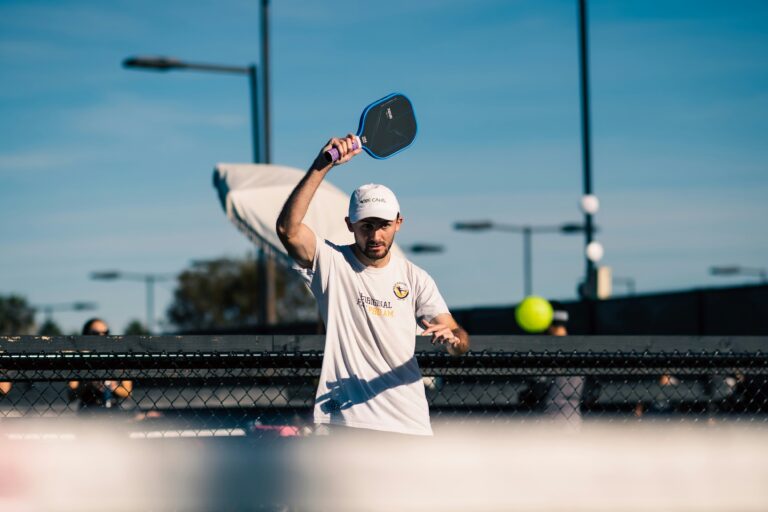
All Things Pickleball (with Sammy) shows why catching the ball directly in front limits you — from that spot the paddle mostly goes up, so you can clear the net but you can’t create angles.

Universal Rackets names grip pressure as the number-one cause of popped-up resets. Squeeze the paddle and it gets bouncy — the ball springs up off the face.
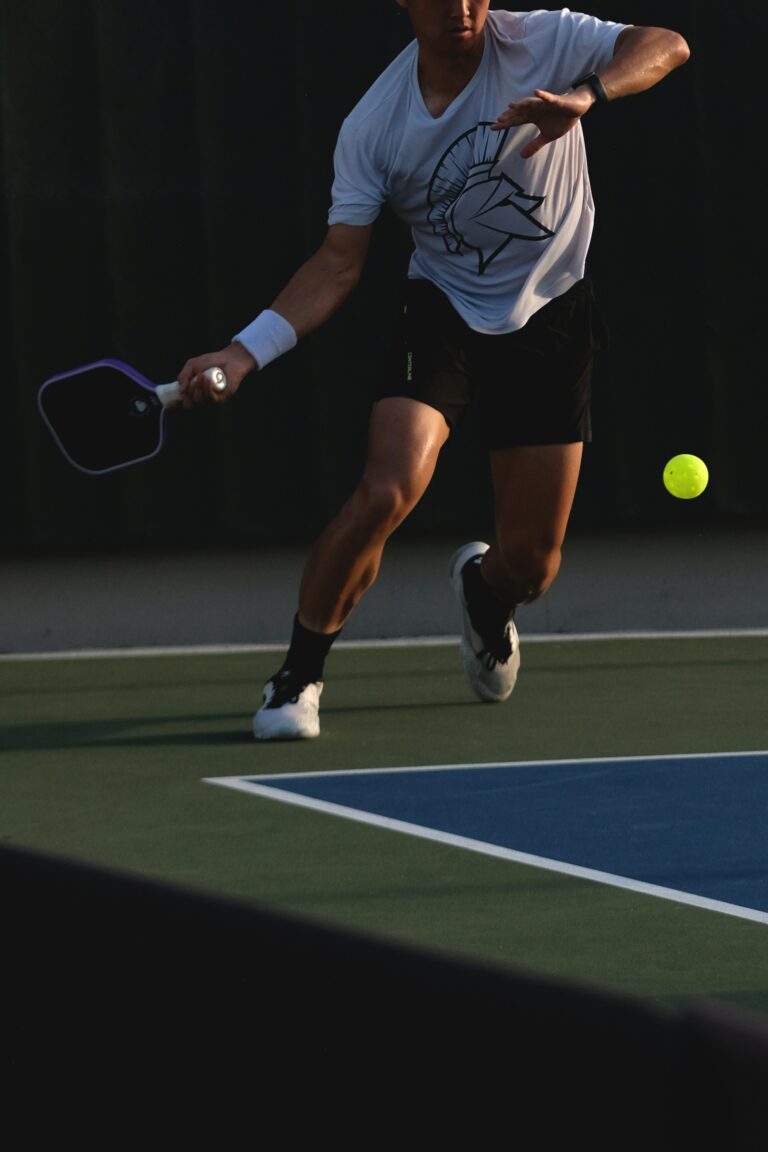
Tanner’s under-60-second tip: most players get hit by outs because they aren’t thinking one shot ahead. A speed-up from below the waist has to travel up, so it’s more likely long.
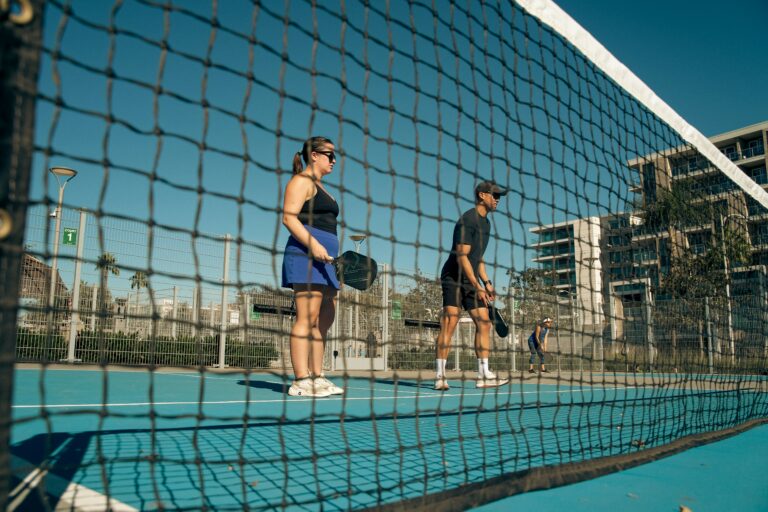
Pickleball Kitchen reframes fast hands: net speed improves when strokes get shorter and more precise, not when your hands get “faster.” Watch high-level kitchen exchanges — many strokes have almost no backswing.

Ed Ju’s essentials are off-court footwork blocks that transfer to sprinting the kitchen, split steps, hip quickness, agility, and rotational power for drives.
Richard’s favorite left-side combo starts with a wide, dead ball. The opponent shades the line, so you load and attack across their body — they’re often late.
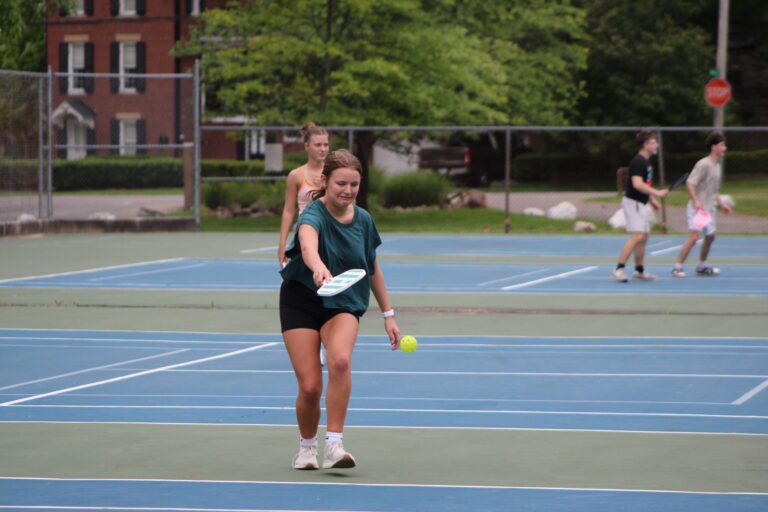
Universal Rackets says power leaks when the dominant hand alone takes the paddle back while the non-dominant arm hangs useless.
John Cincola demos the cross-body combo from the left side — a standard left-side pattern where the first ball goes across the opponent’s body so they have to protect the line, then you follow your shot into the space that opens for the finish.
Universal Rackets wants one simple drill from the transition line: after contact, freeze the paddle. You can run it on drops or dinks.