Stop Getting Jammed by Deep Serves: Start Behind the Baseline
Universal Rackets fixes deep-serve trouble at the starting position, before the ball is hit. Standing on the baseline means a deep serve pushes you backward and jams the return.

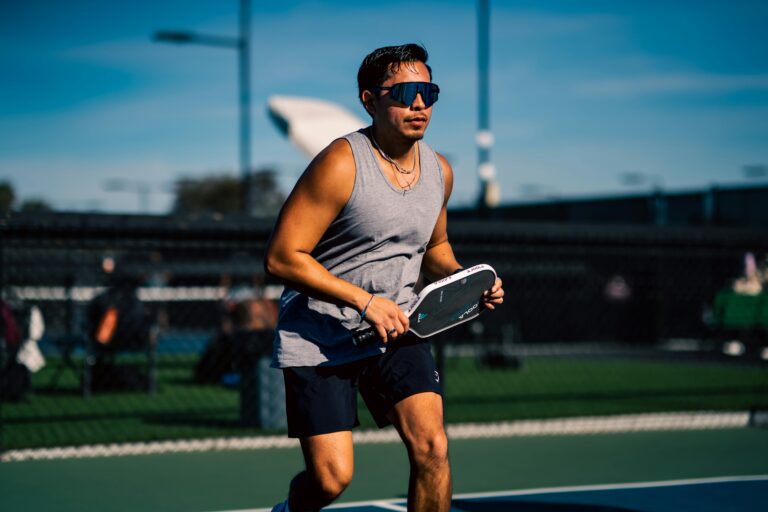
Universal Rackets fixes deep-serve trouble at the starting position, before the ball is hit. Standing on the baseline means a deep serve pushes you backward and jams the return.

Shea Underwood packages Tyson McGuffin’s serve as a four-step visual so recreational players can copy the sequence instead of guessing at the motion.

Marshall Brown of Selkirk TV flips the usual underdog habit of backing off the kitchen against stronger teams. Stepping back makes their aggressive dinks easier and leaves bounce balls that keep you stuck in a soft game they will win.

Richard Pickleball addresses the opponent who creates offense by reaching early and often until nowhere feels safe. Reaching changes the map: some spots get harder, but others open.
Pickleball 360 has Ben Johns address the lobber who floats everything from anywhere.
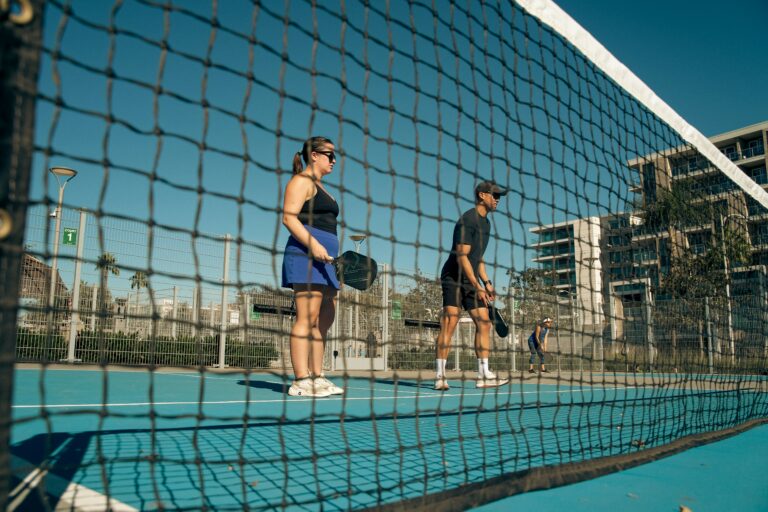
Coach Dave Furman of Pickleball Daily packs ten intermediate upgrades into one lesson.
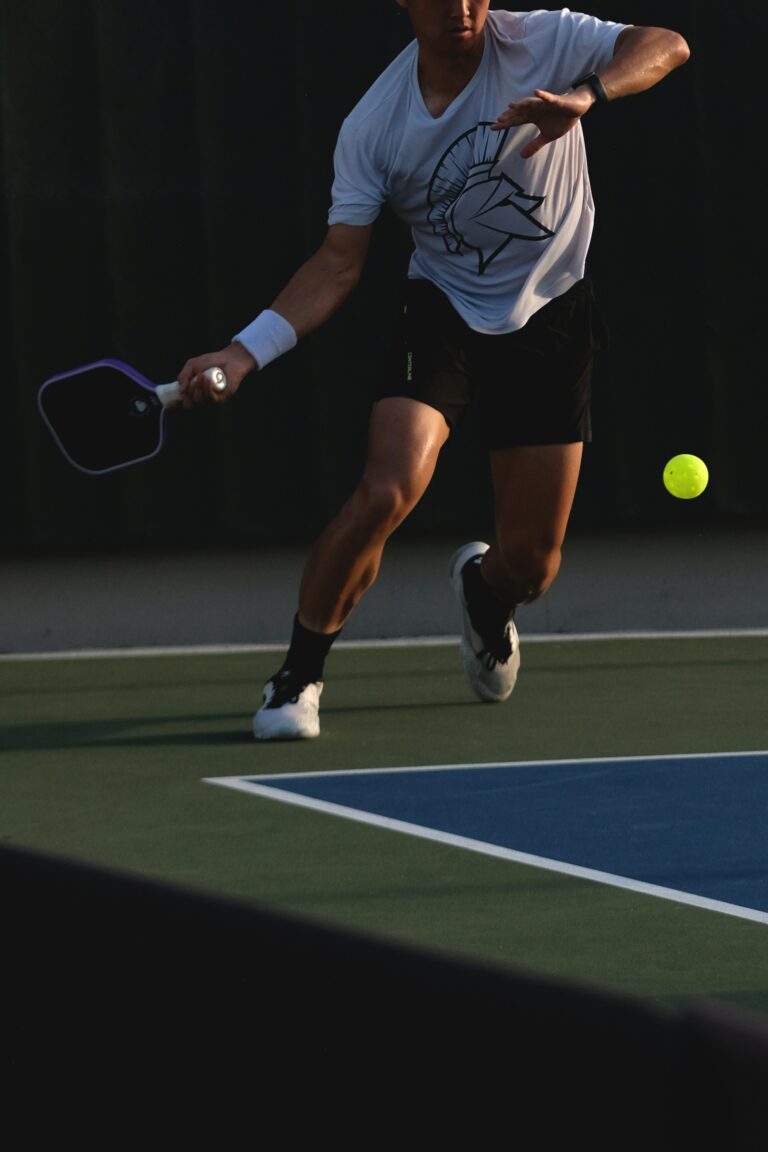
Richard Pickleball says players miss resets because they try to carve a perfect kitchen ball off the first attack. After a pop-up, get low and shovel a push to the opponent’s waist so they can only roll the next ball.
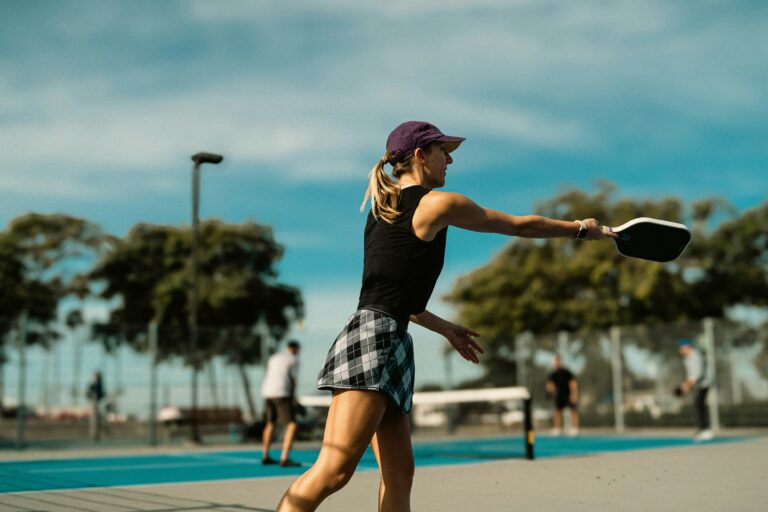
Pickleball Daily flags the tennis long backswing as a common convert mistake on drives. The pickleball sits lower and arrives faster, so a big take-back leaves you late under a dying bounce and dumps the ball into the net or long.
Universal Rackets ties the split step to a childhood dodgeball edge that came from tennis muscle memory. Hopping lightly as the throw left someone’s hand made it easy to push off and move.
Kyle Koszuta reframes the kitchen line as your friend, not just an attack zone. When you are under pressure, a soft, shallow ball into the kitchen strips away some of the aggression a higher ball would invite.