Why I Choke in Tournaments — and How I’m Practicing Winning
John from Backpaddle Pickleball argues his silver/bronze pattern wasn’t just shot quality — he had never practiced the skill of winning.


John from Backpaddle Pickleball argues his silver/bronze pattern wasn’t just shot quality — he had never practiced the skill of winning.
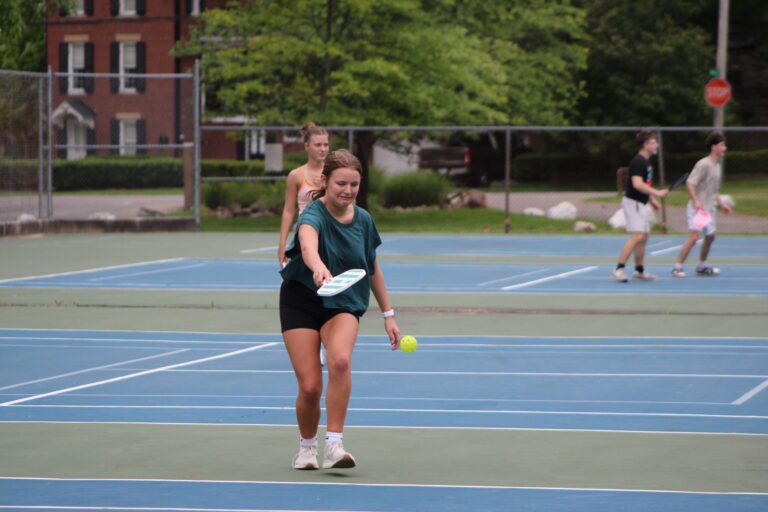
Coach Jordan Briones walks Asian pro footage for patterns amateurs can steal. High-level teams stay patient: when pulled wide they shuffle and dink middle to take away angles, and they attack only on high-percentage looks.
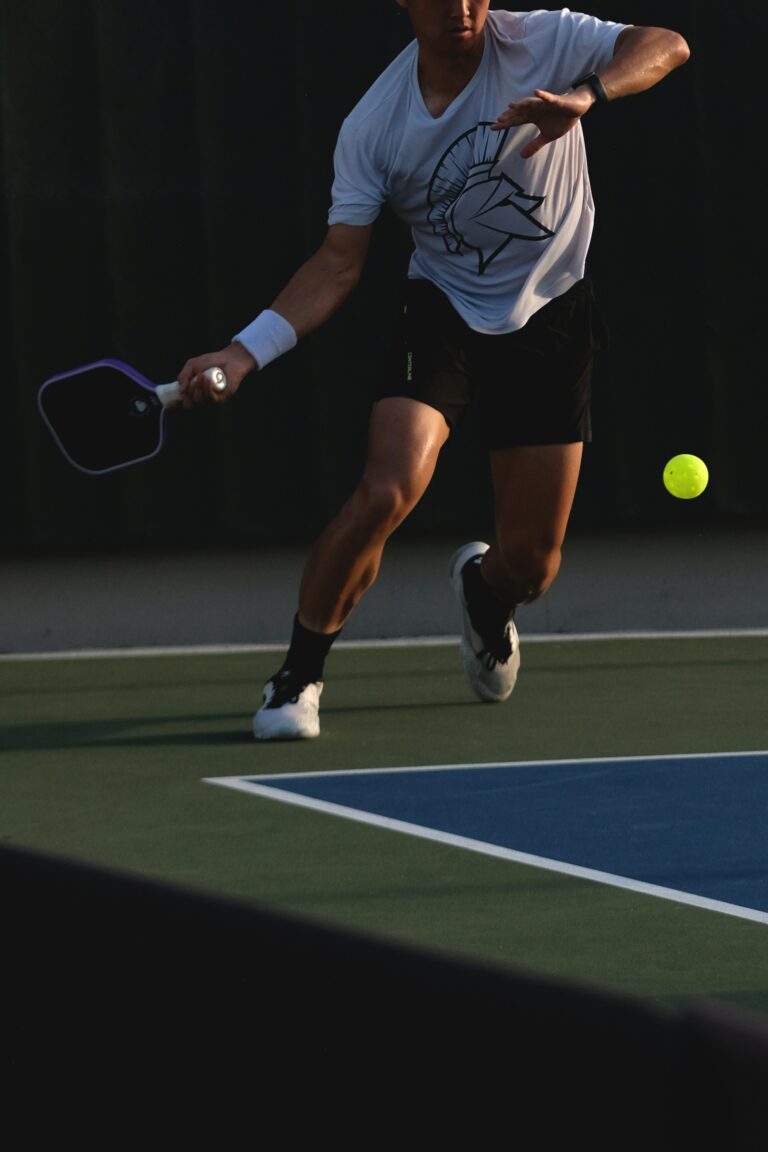
Tanner flags a common mid-court panic: players late to the kitchen try to run through a hard drive with one hand. The open face sprays the ball everywhere.
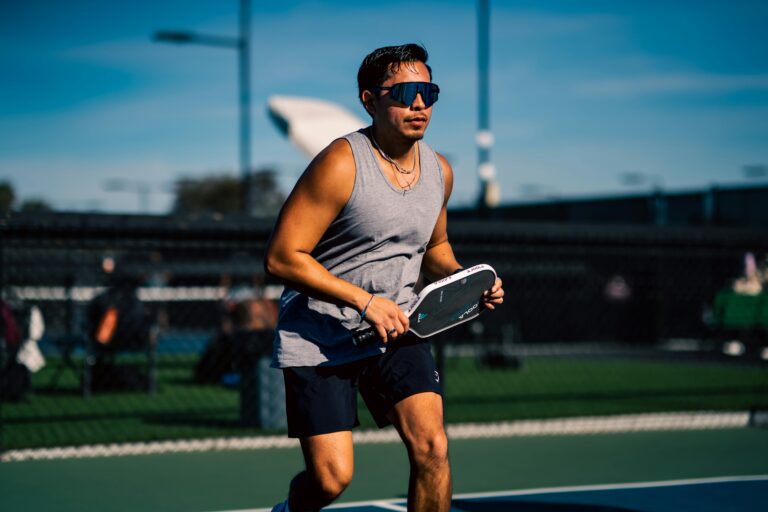
Shea Underwood treats around-the-post as geometry plus a few technique tweaks. The closer the ball lands to the net, the wider the available angle; balls that land deeper shrink the window and often produce net misses.
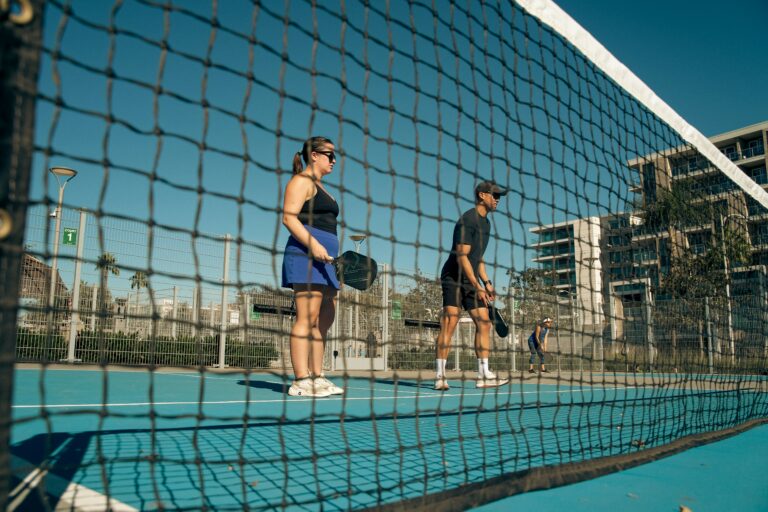
Tanner packs seven habits that 5.0 players rely on. Against chest-high drives, keep the paddle already out in front and block instead of reaching from a low ready position.
Universal Rackets breaks blocked speed-ups into three mistakes. First, players speed up balls they have no right to — below the net in a dink rally — so the ball goes flat or up and is easy to block.
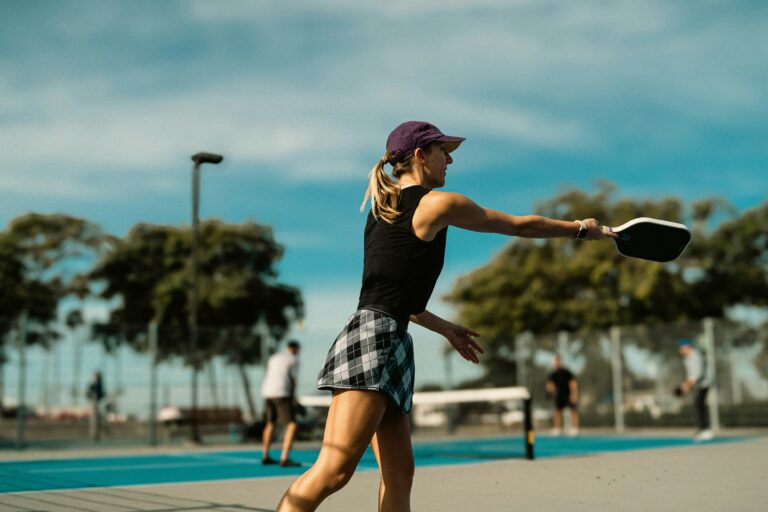
Selkirk TV’s left-side plan against a higher-DUPR team is to force a firefight. From the left you get several off-the-bounce backhand speed-up windows plus forehand options, and you should also reach in and take balls out of the air.
Universal Rackets lists the downside of casually backing off the kitchen. A ball that was up and attackable at the line dies by the time it reaches you farther back, so what was offensive or neutral becomes defensive.

Universal Rackets answers when moving back is actually right.
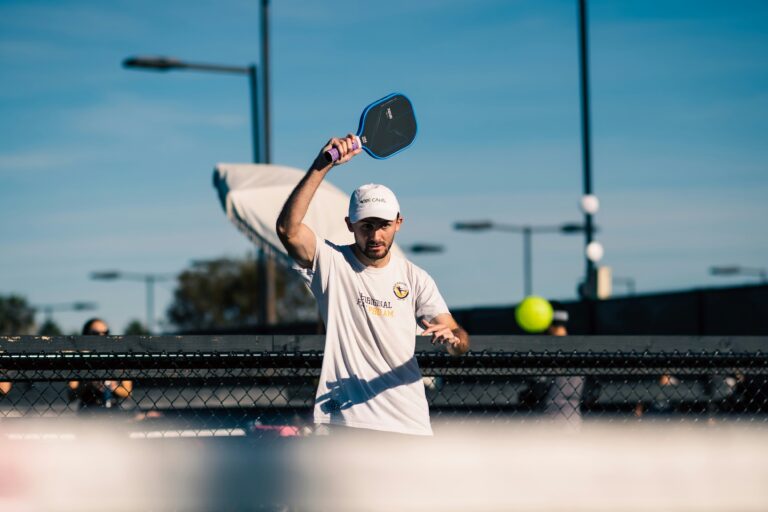
Aylex separates when to use each stance on drives. Closed stance generates more power because you can push off the back leg — that’s the choice when you’re looking for a harder drive and have time to set.