Open vs. closed stance in pickleball
Aylex separates when to use each stance on drives. Closed stance generates more power because you can push off the back leg — that’s the choice when you’re looking for a harder drive and have time to set.
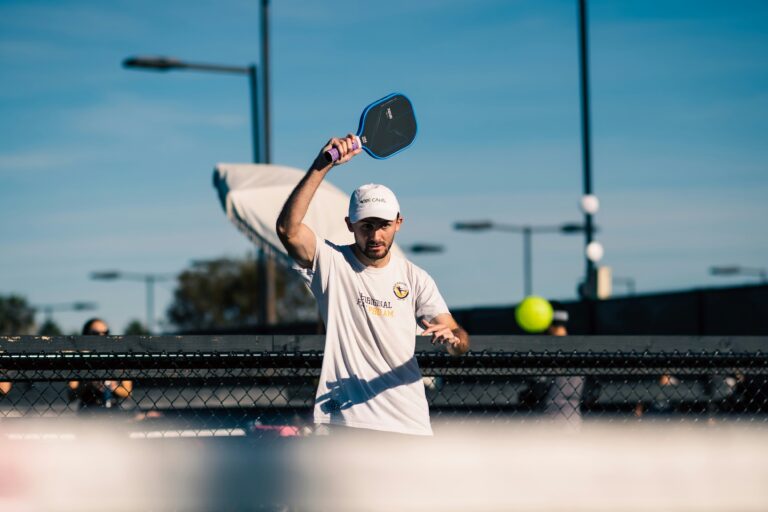
Aylex separates when to use each stance on drives. Closed stance generates more power because you can push off the back leg — that’s the choice when you’re looking for a harder drive and have time to set.
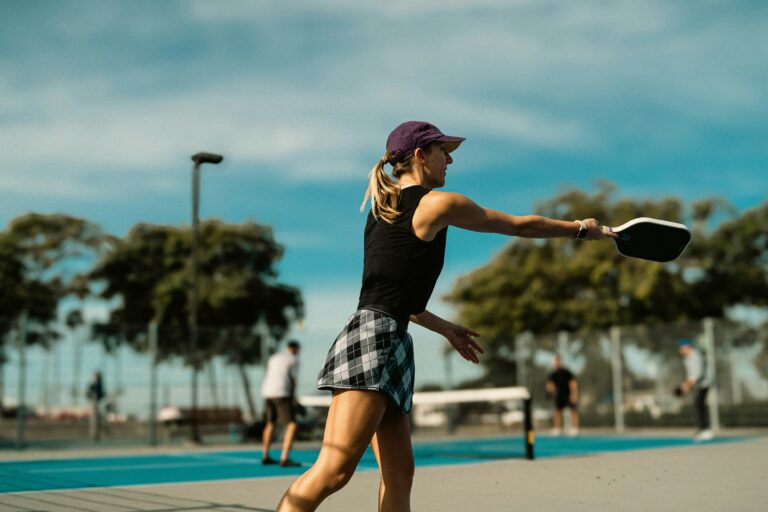
Aylex’s biggest forehand cue is position: always face the ball with your torso. That can be an open stance or a closed stance, but the belly button stays pointed at the ball either way.
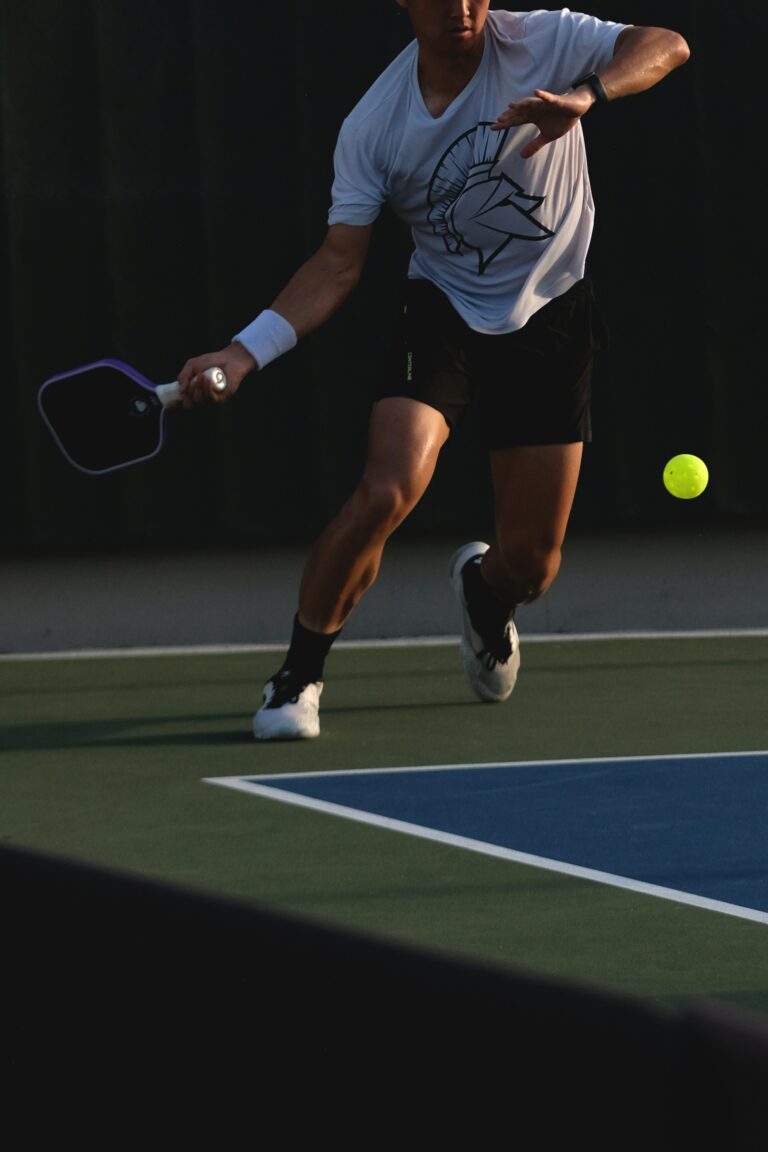
Universal Rackets shares the best piece of advice he ever got at the kitchen: make your dinks look like your speed-ups, or your speed-ups look like your dinks.

Austin Hardy from PickleballPlaybook argues most players stay bad at drops because they treat every third the same.
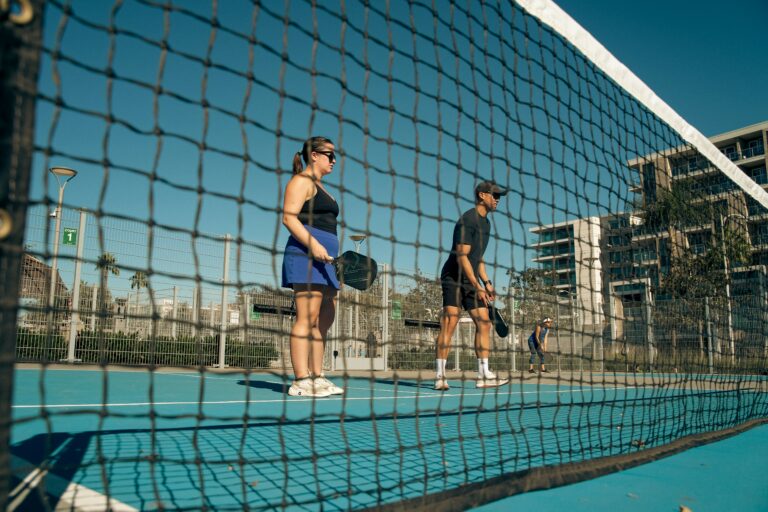
All Things Pickleball kept missing counters into the net even when the paddle was there in time. The fix from a hitting partner was almost too simple: stop standing straight up when the ball is attacked at you.

Richard Pickleball separates counters by ball height. On a low, wide attack it’s almost impossible for them to hit behind you, so sit on the middle while your partner covers the body.
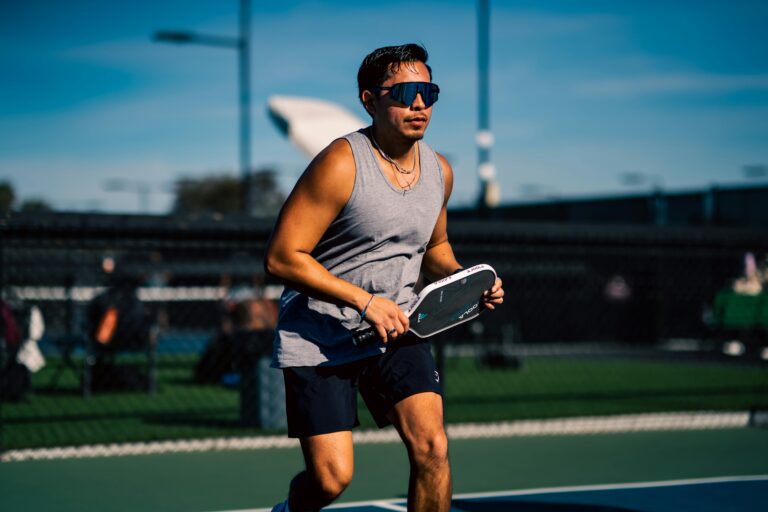
Haley’s Pickle Academy shares Clean Your Room, a low-intensity warm-up that works for all levels. Fill two hoppers with the same number of balls, split into two teams on opposite sides, and dump one basket on each side of the net.
Connor Garnett skips pure technique and focuses on when to hit each third shot so you actually get to the kitchen.
Briones Pickleball Breakdown walks through a high-percentage transition: the team is already on defense, softens a ball, and instead of sprinting in blindly they take their time closing.
In Selkirk TV Episode 9, Coach Matthew Haley tells tennis converts that the full tennis split step doesn’t fit every pickleball moment — the court is smaller and the ball is faster — but it still earns a place in three situations: on the return of serve, when a short lob is about to be smashed, and when you’re crashing the net and need to plant right before the opponent contacts the ball.