Dinking 4 Dummies
Troy Akin strips dinking down for beginners and anyone overcomplicating it. The swing is mostly legs, not arms — roughly 95% to 5%.

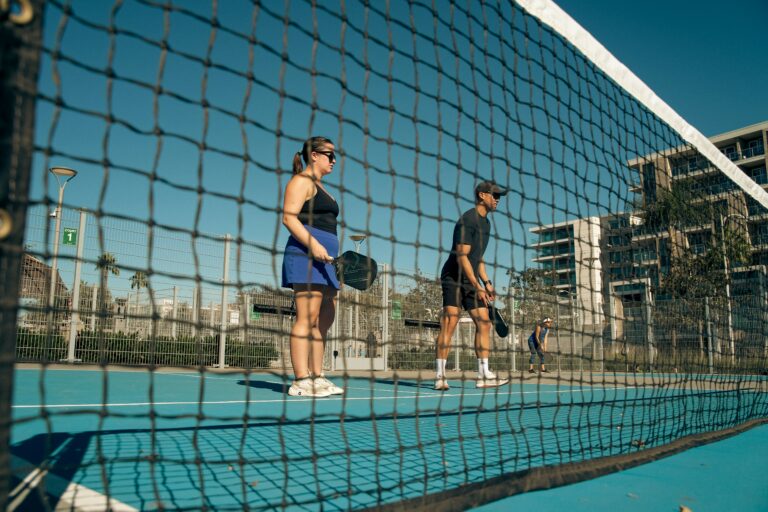
Troy Akin strips dinking down for beginners and anyone overcomplicating it. The swing is mostly legs, not arms — roughly 95% to 5%.

The Prince of Pickleball lists three common topspin forehand dink mistakes. First is too much wrist; lock it and finish with the paddle by your right ear.
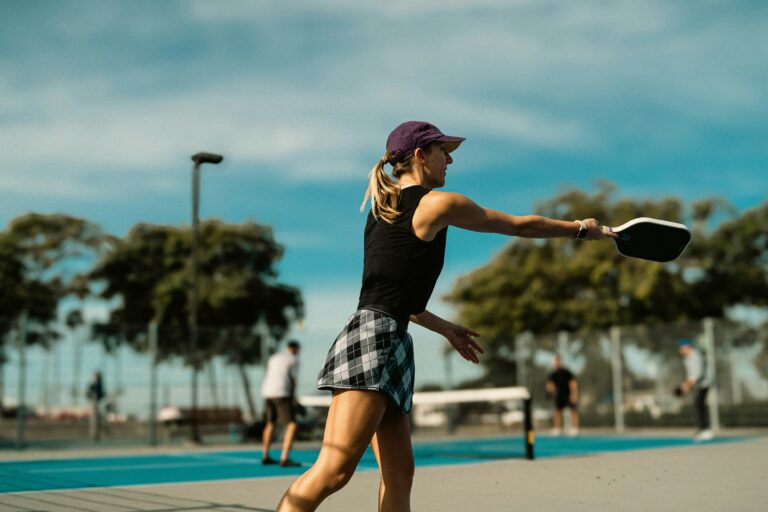
Ed Ju shares three drills that clean up the forehand drive. First, a partner drops two balls: catch the first with your non-dominant hand, then drive the second — that trains the non-dominant arm as a measuring stick for spacing and timing.
Universal Rackets ties ready position and follow-through together with one cue: your non-dominant hand should touch the paddle after every dink.
Universal Rackets’ cue for reliable dinks is to reach out and take the ball early. Waiting for it to drop at your feet is what breaks down once rallies get long and the level goes up.
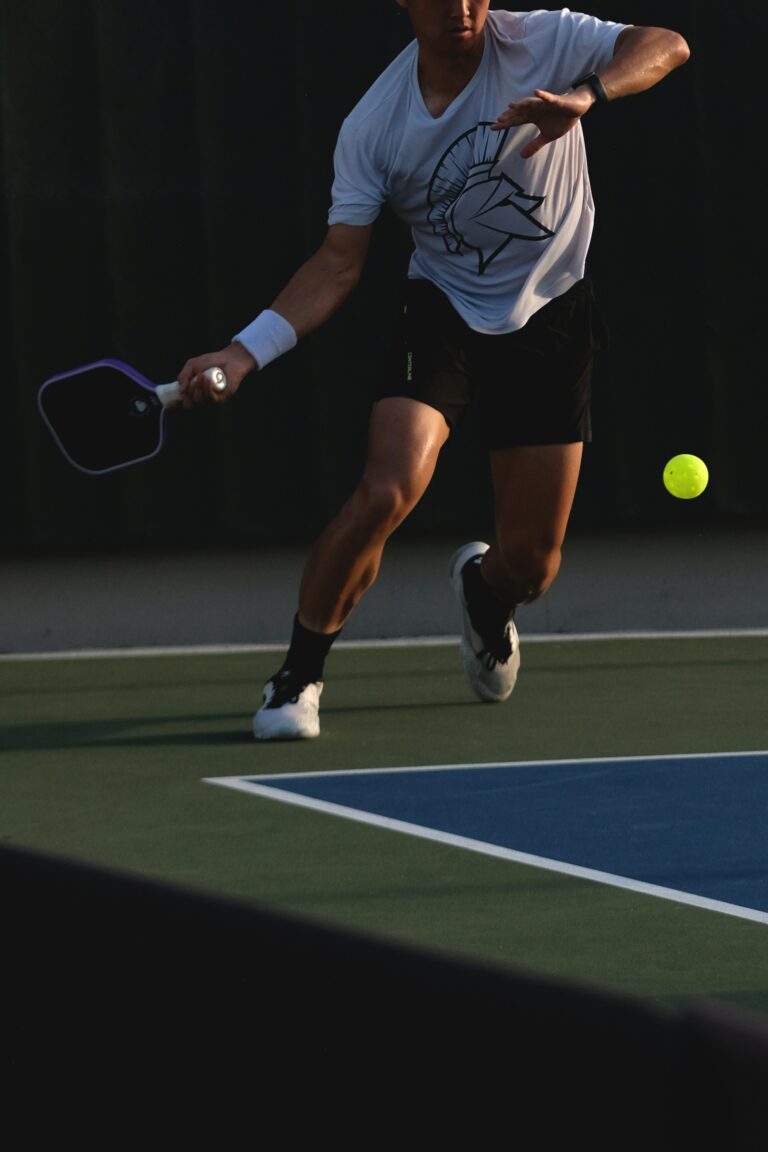
Tanner’s biggest amateur mistake on dinks is chopping at the ball with the wrist to make spin. That path is unstable and easy to miss.
Ty Butson pins the reason players get stuck off the kitchen to return depth. When the return lands short, the server steps in and you never catch up.
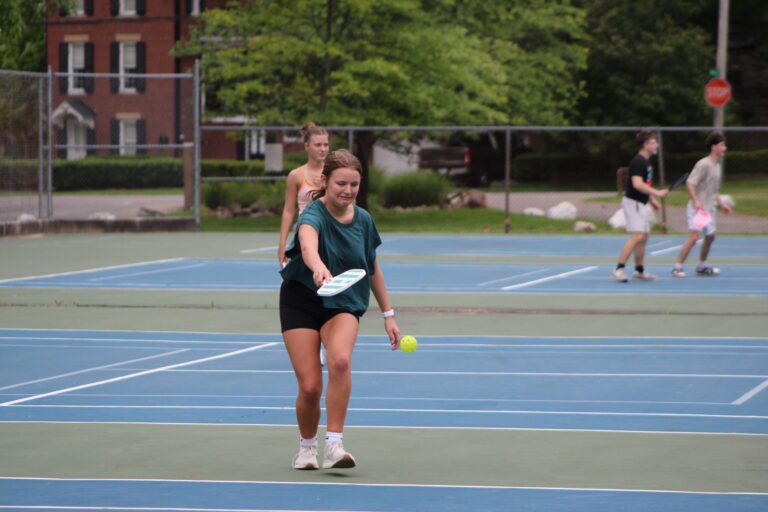
Richard Pickleball looks at short returns, the ones that force you to move up. Because the ball is lower and you have less space, trying to roll it often puts you on top of the ball and into the net.
Universal Rackets draws a hard line on dink misses: a ball into the net ends the point no matter what else is happening. You handed it over.
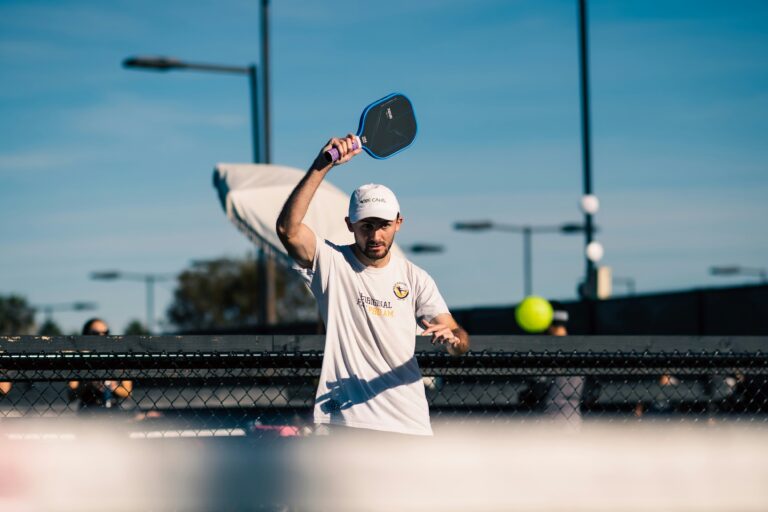
Kyle Koszuta explains why you should let the ball calm down before you hit it. After the bounce the ball starts rising, but gravity slows it straight away.