How to do the shake and bake in pickleball #pickleballtips #pickleball
Limitless Pickleball explains the shake and bake, one of the best plays in doubles. After a deep return, the server drives the third shot hard at an opponent (the shake).
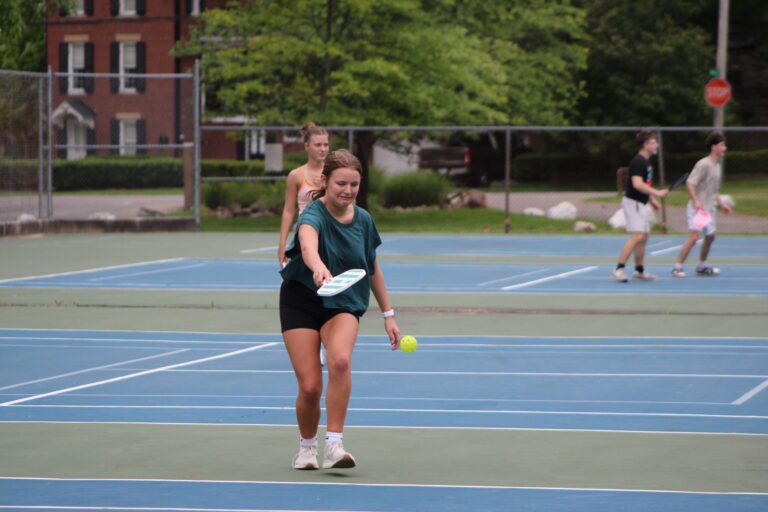
Limitless Pickleball explains the shake and bake, one of the best plays in doubles. After a deep return, the server drives the third shot hard at an opponent (the shake).

Jack Munro shows that you don’t always need to hit harder to create an opening: use angles, move your opponents and play the triangle.
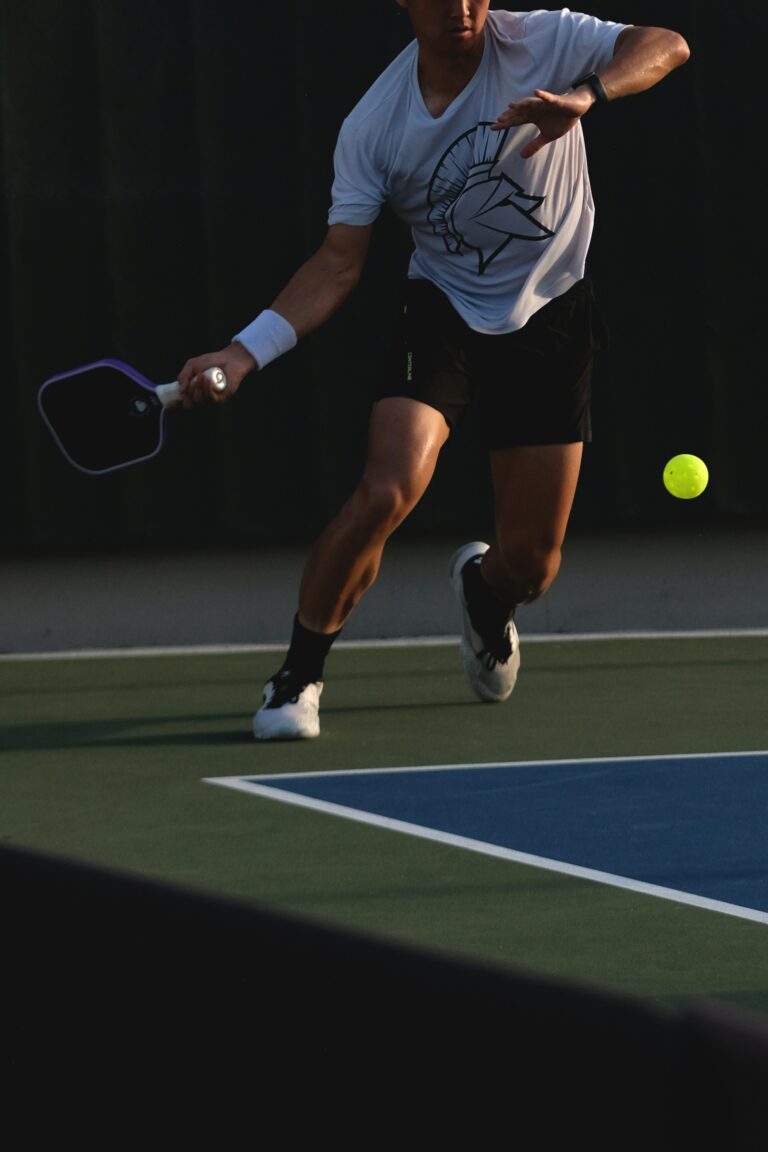
Richard Pickleball explains where to aim a speed-up on a middle ball. Start by attacking the hip to test the waters and see whether they sit forehand or backhand.
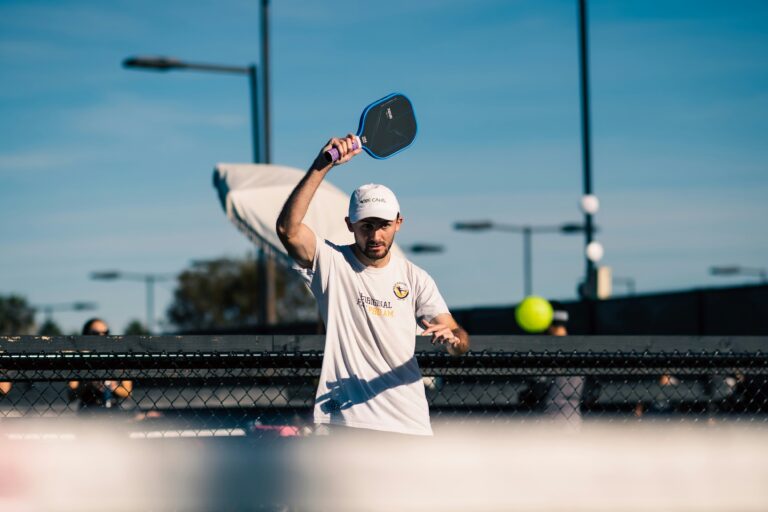
Kyle Koszuta’s rule for fast hands battles: if you can’t see your paddle in your peripheral vision, your backswing is too big.
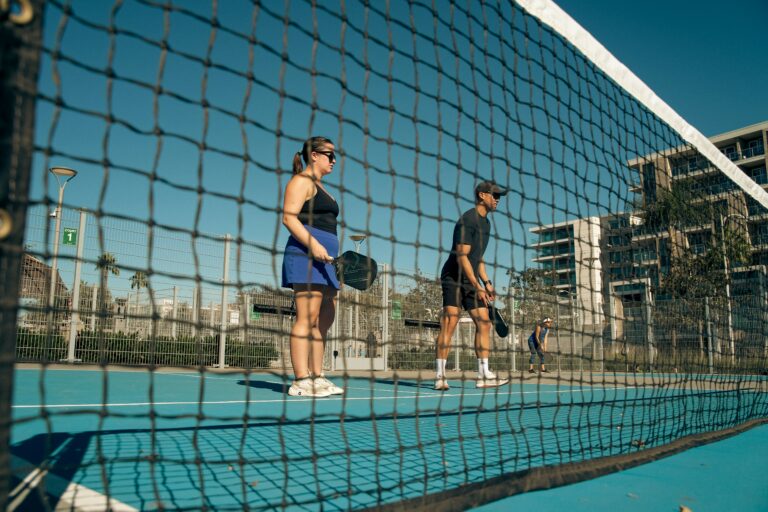
Shea Underwood’s quick clip stacks three versions of the backhand roll on top of each other, labelled beginner, intermediate and pro, as two players trade balls across the net.

Preston’s Playbook’s plan for when you get lobbed: turn and run beside the ball, get behind it, hit a drop and work back to the kitchen with drops.
Aylex Pickleball Academy breaks down how pros generate drive power, from stance and leg drive to aiming for an 80% drive instead of maximum pace.
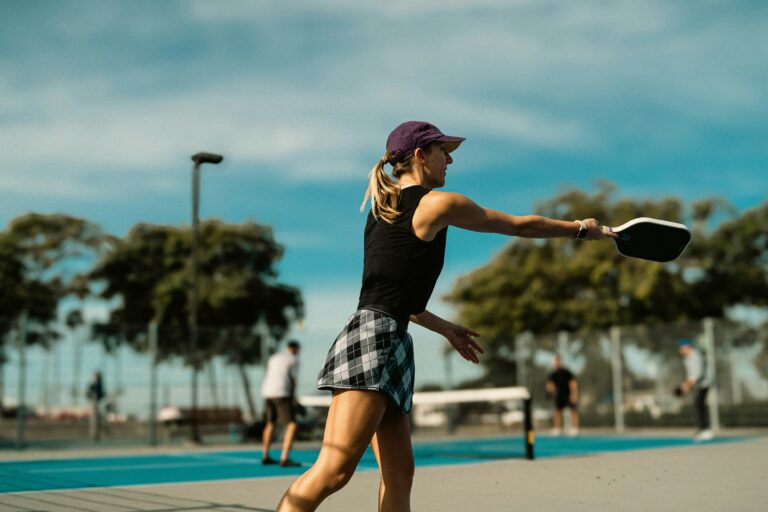
Universal Rackets breaks the backhand topspin drive into three steps. Step one: drop the paddle tip below the ball.
tanner.pickleball explains why you shouldn’t sprint from the baseline to the kitchen on one ball, and how to work your way in under control.
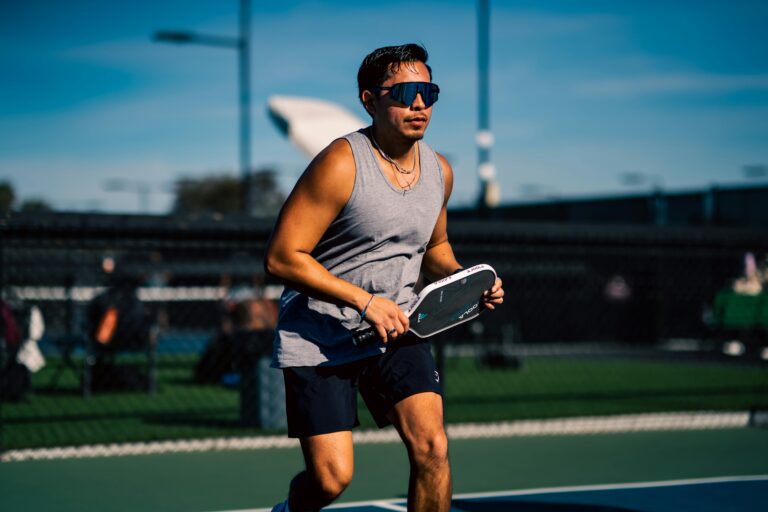
The Pickleball Clinic’s drill for hitting drops while moving: get your feet behind every ball so you’re still at contact, and stationary drops get easier.