Hitting a drop shot on front foot myth
All Things Pickleball pushes back on a common coaching line: that a drop shot must be hit on your front foot.
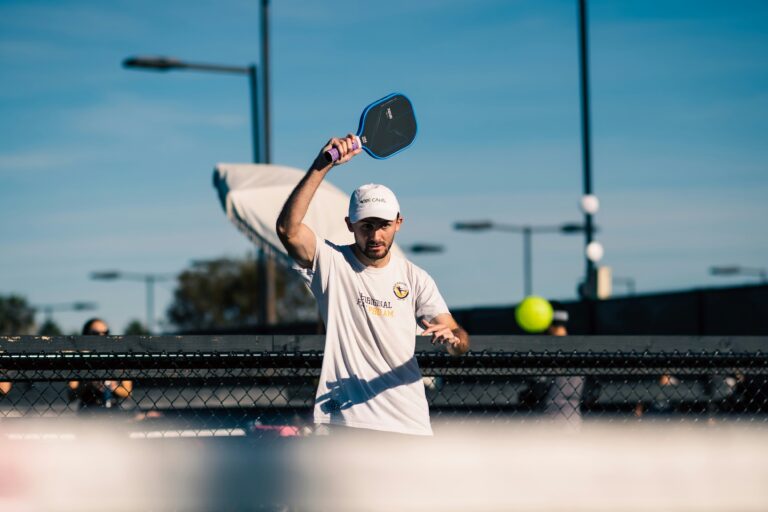
All Things Pickleball pushes back on a common coaching line: that a drop shot must be hit on your front foot.
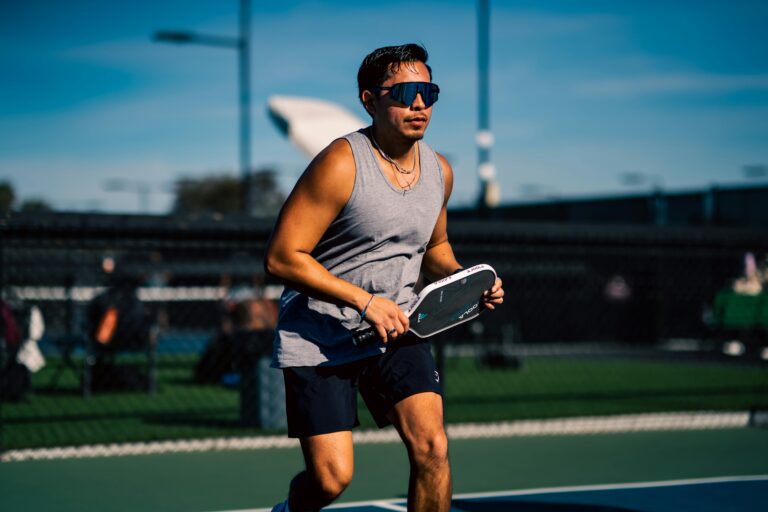
ThatPickleballGuy (Kyle Koszuta) uses a traffic-light system to decide when to move forward after your drop. A red light is a drop that sits up around the opponent’s head, so retreat and give yourself time and space.

Briones Pickleball Academy explains the two transition habits that cause pop-ups and how stable feet and a soft shoulder lift fix them.
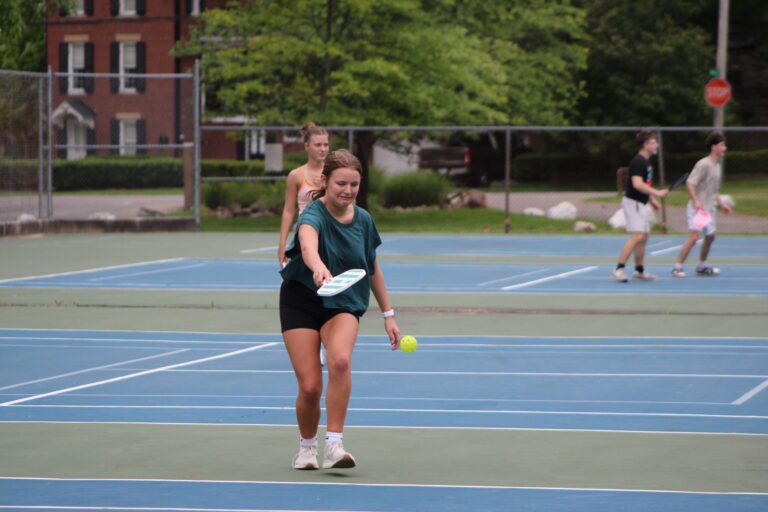
tanner.pickleball gives clear rules for the third-shot decision. Drive when a strong return has you on your back foot, to earn an easier next ball to drop, and drive when you can get your body weight set behind the ball to apply pressure.
ThatPickleballGuy (Kyle Koszuta) explains what a third shot drop is for. On the third shot you can drive, which is a harder shot, or drop, which is a softer ball meant to land in the kitchen and make your opponent hit up.
Universal Rackets explains why paddle position changes depending on where you stand. Near the kitchen you hold the paddle up, but the further back you go, the lower your ready position should be, because that’s where the balls will arrive.
Troy Akin shows how to add depth to your serve without swinging harder: control your net clearance.
The Pickleball Clinic shares one tip for the return of serve. Most players who struggle to reach the kitchen after the return are standing too close to the baseline.
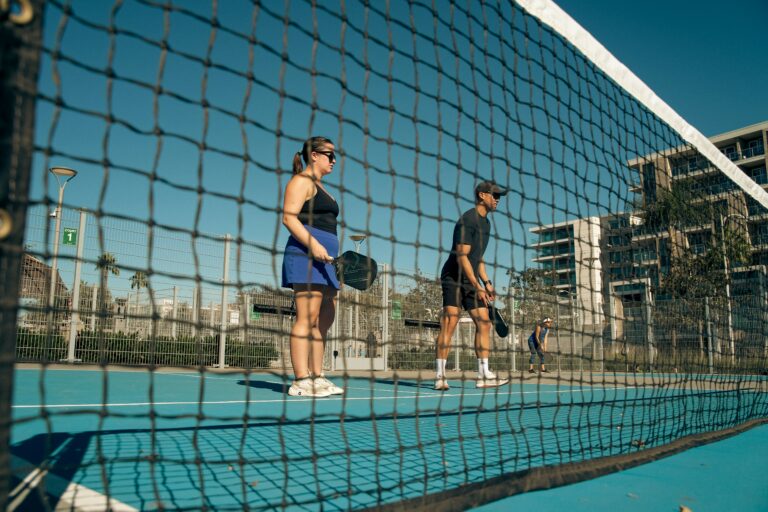
Shea Underwood’s drill for mastering dinking: start cross-court with your partner, both at the kitchen line, and try to hit 50 dinks in a row. Count out loud.

Limitless Pickleball explains why getting up to the kitchen line is so important, and why staying back usually means losing the point.