Speed-Ups: Know When — Patience and Shot Selection at the Kitchen
The Pickleball Daily guide argues the key kitchen skill isn’t the speed-up technique — it’s timing. Forcing offense from low balls loses.
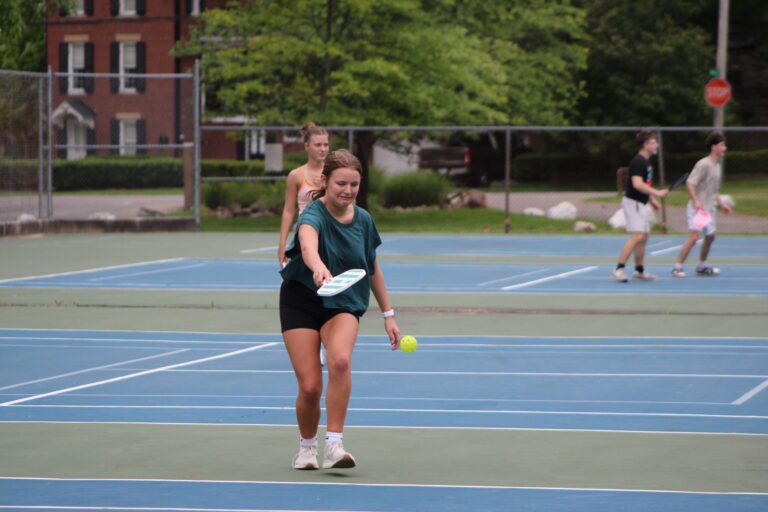
The Pickleball Daily guide argues the key kitchen skill isn’t the speed-up technique — it’s timing. Forcing offense from low balls loses.

Pickleball360 with Dekel Bar: the 7-Eleven game skews scoring because the baseline starter is disadvantaged (play to 7 vs kitchen to 11).
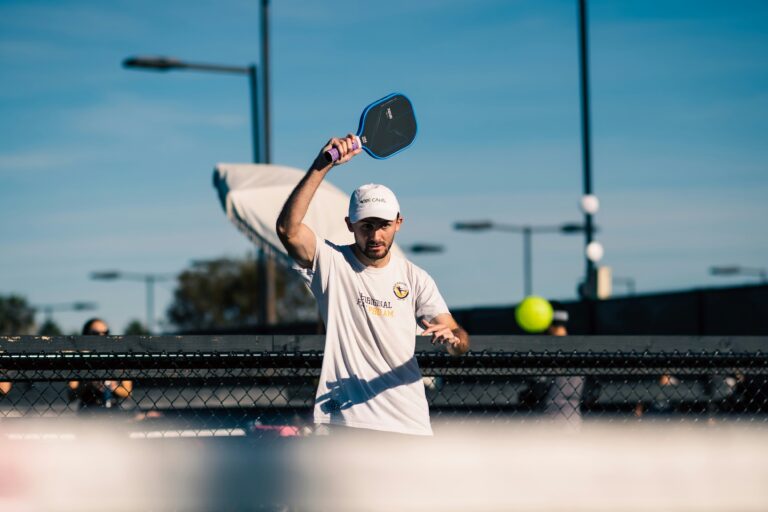
Universal Rackets’ laser cue: the only difference between sailing long and landing in is often paddle face. Open face → long; closed face → in.
Richard Pickleball’s three-step backhand roll: amateurs get on top of the ball and hit it too close, dumping into the net.
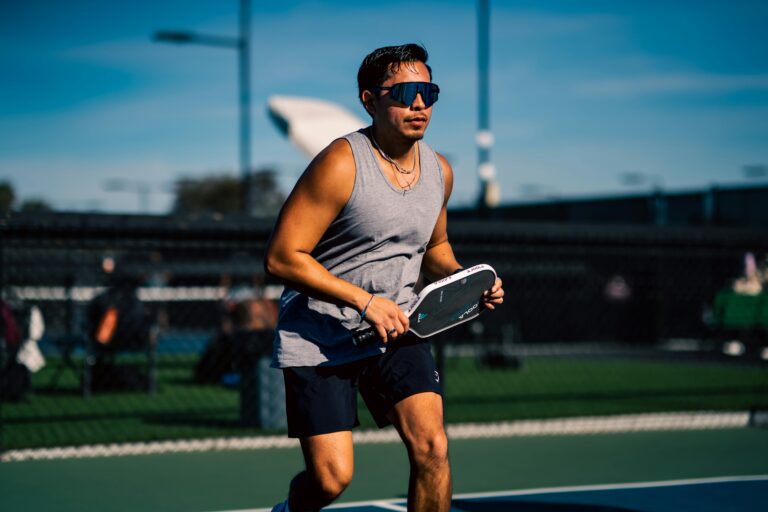
Shea Underwood’s laser-pointer theory: when the ball is on the opponent’s side, point the paddle face at it so you’re already tracking. A relaxed paddle at your hip forces a big late lift on high balls and causes pop-ups.

Briones explains the pro run-around: it’s not fear of the backhand, it’s selecting the higher-percentage strength. If the forehand drop is 99/100, running around lets them land it and both players close the NVZ.
Cliff Pickleball coaches the common doubles trap: one player eats 90% of the balls while the partner freezes out. Panicking into hero balls makes it worse.
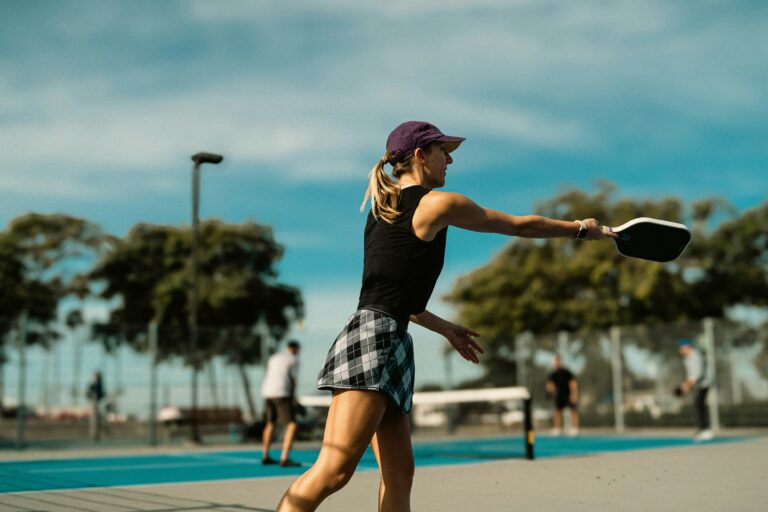
Tanner calls out the amateur fourth: slicing under a net-height ball. That soft cut gives opponents a free approach.
On the backhand slice, Universal Rackets wants the back arm active: push it straight back as if spreading wings so the torso stays sideways and the hitting arm can get under the ball.
The Prince of Pickleball’s sword-and-shield rule fixes wrong-side counters. Ball into the body → backhand shield.