Blocking Level 3: Absorb Pace Mid-Court — Don’t Push Hard Balls
Pickleball Kitchen’s Level 3 is mid-court pace absorption for 4.0+ bangers. Pushing forward on a hard ball just reloads their pace.
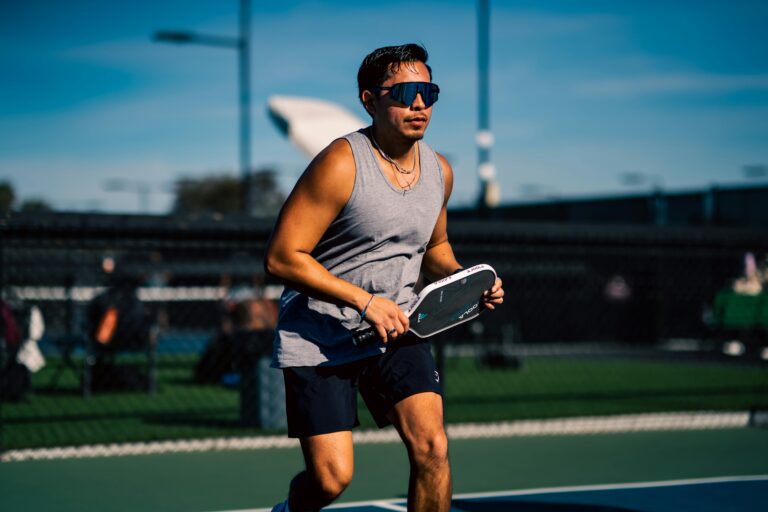
Pickleball Kitchen’s Level 3 is mid-court pace absorption for 4.0+ bangers. Pushing forward on a hard ball just reloads their pace.
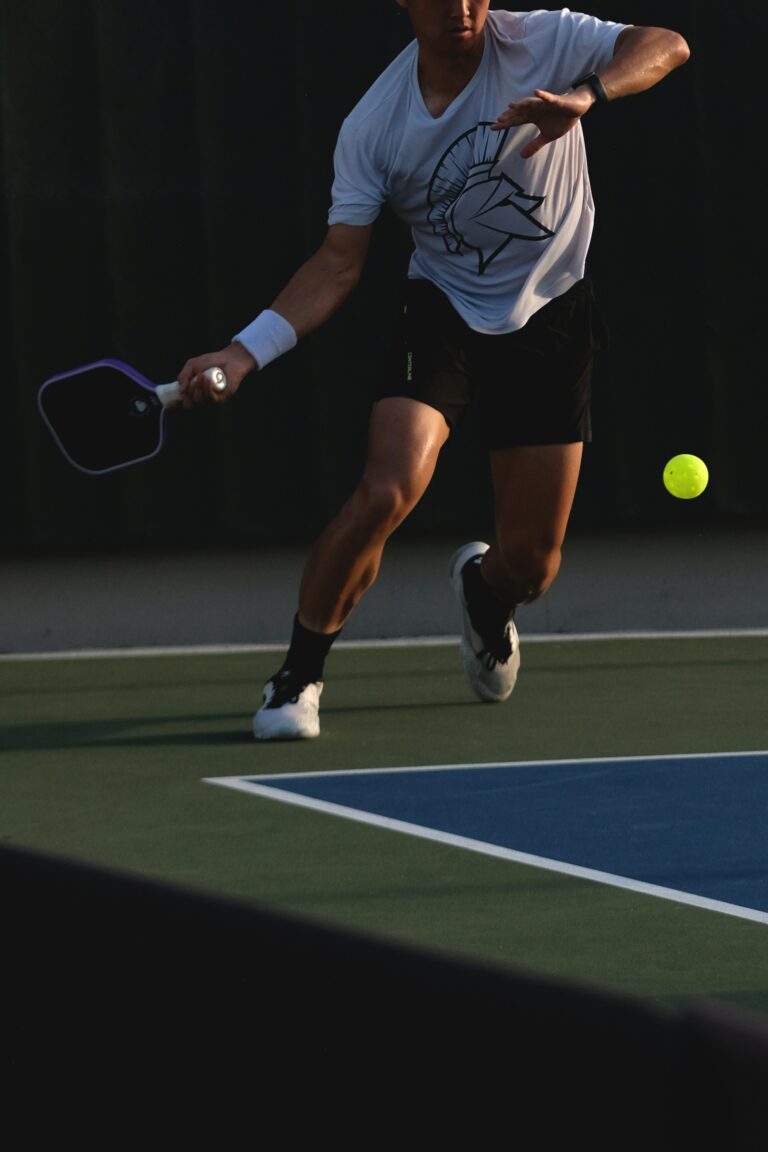
Evee Ngandwich (Ava Pickleball) separates defensive and aggressive dinks. Defensive: clear the net higher, land shallow, recover to balanced and leaning in — middle shallow is a great neutralizer.

Ty Butson argues most “slow hands” are paddle-position problems. A tip hanging down forces an extra hinge-up before you can counter.
Briones Pickleball Breakdown pushes you off the autopilot middle ball. Middle is often fine, but when the geometry says otherwise, aim the target that actually hurts — feet, body, or the open lane the point creates.

Jordan Briones’ Vietnam–US World Cup breakdown highlights habits amateurs skip. Pros aim dinks into the NVZ so opponents can’t take time away out of the air, shade together with the ball, and when pulled wide go middle/inside feet.
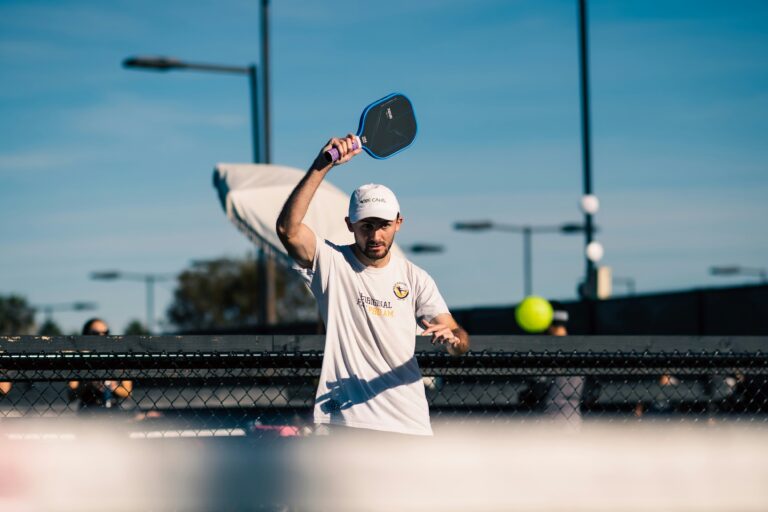
Shea Underwood stacks serve-speed cues: wrist lag then snap, a deliberate backswing that coils the hips, semi-western (heel pad bevel 3 / index knuckle bevel 4), eyes down through contact, torso upright with bent knees, a step behind the baseline for margin, and low-to-high brush for topspin.
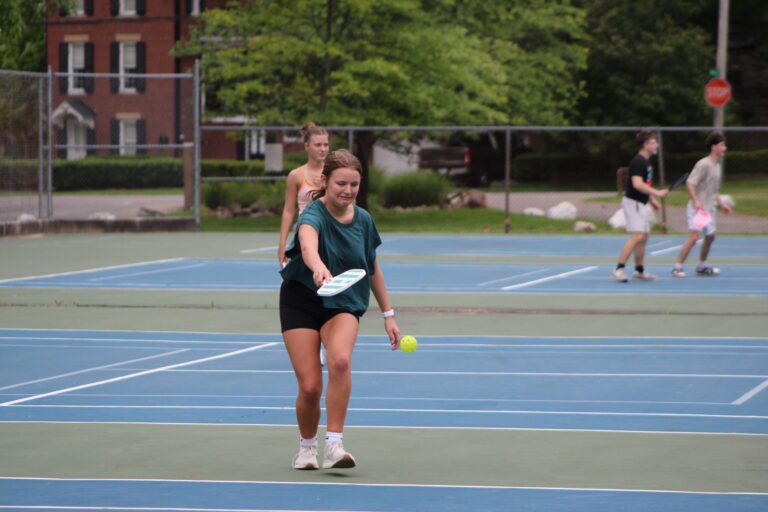
Richard’s return fork is time versus pressure. Slice when you need to arrive ready for the third; drive when you want to disrupt their third-shot quality.
Tanner’s three early lessons: court geometry (a middle ball can’t be sped up wide out — cover what’s actually available), transition (crab-walk up after the third instead of sprint-and-dive), and kitchen posture (step back for time on defense, lean in to shrink the court on offense).
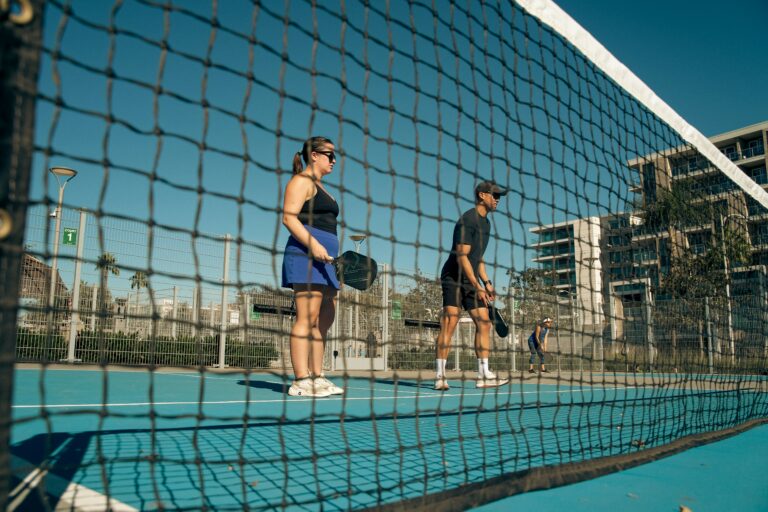
Elite Pickleball Coaching’s placement map for backhand dinks is simple and actionable.
Ed Ju’s short targets late counters — the ones you swing after the ball has already crowded you.