Forehand Punch Counter: Over the Ball Like Table Tennis, Firm Grip
Backpaddle’s lesson on the forehand punch volley: cutting under the ball adds slice and kills pace. They want a compact, table-tennis-style path more over the ball.
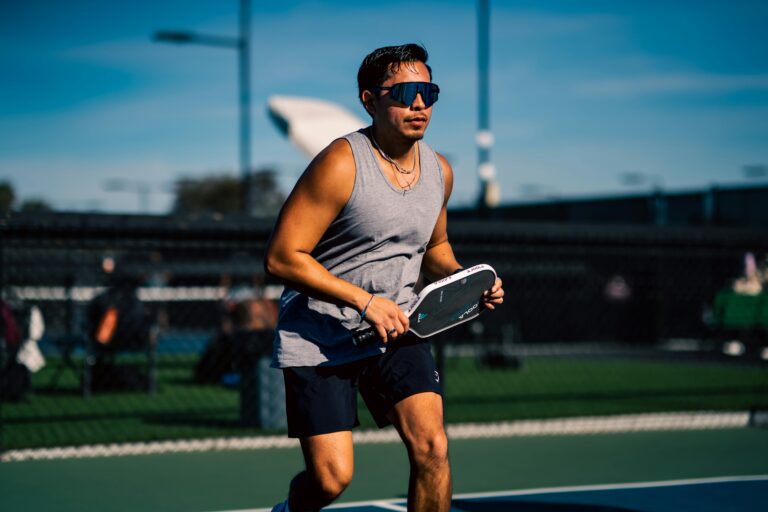
Backpaddle’s lesson on the forehand punch volley: cutting under the ball adds slice and kills pace. They want a compact, table-tennis-style path more over the ball.

John Cincola calls “staying connected” the underrated pro skill: paddle and chest move as one unit.
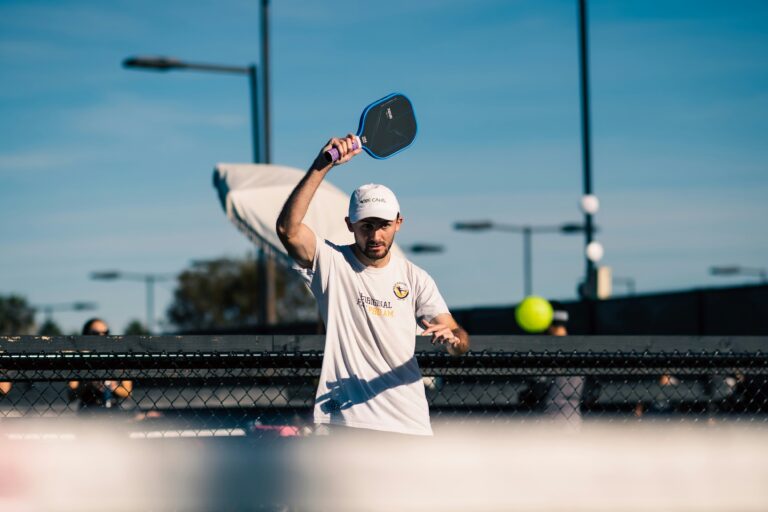
The Prince of Pickleball contrasts low-percentage fourths with high-percentage options from transition.
A short Universal Rackets contrast: no-control lifts the whole body; control keeps the head down, body quiet, and legs under the shot.

Two-handed backhands struggle with balls into the body. Richard’s fix is sliding two-to-one.
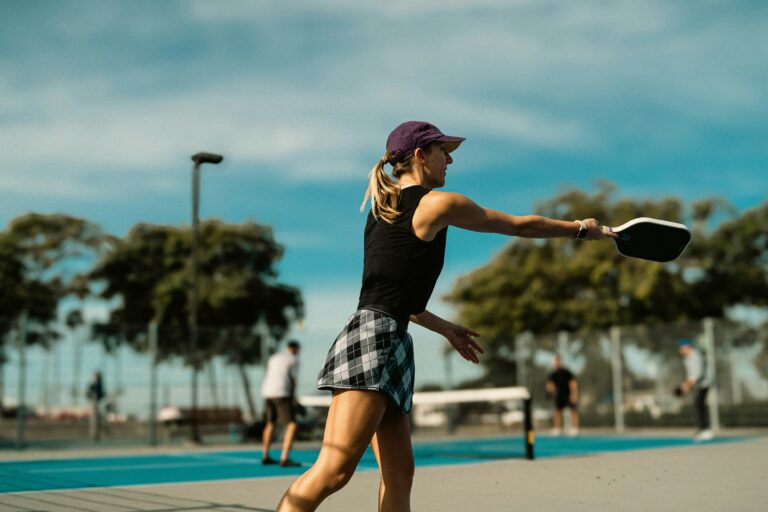
Briones film study shows a poach that looks aggressive but sits on a drive that never forced a reach. Amateurs copy the sprint without the setup.
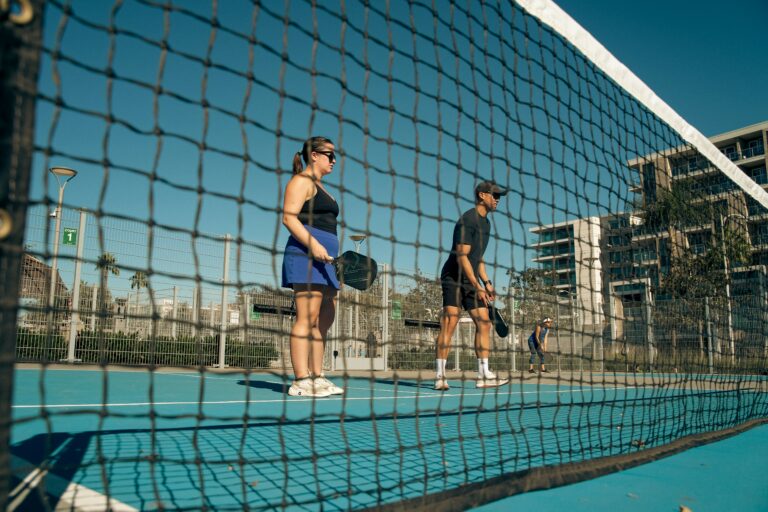
Universal Rackets stacks the usual pop-up causes into one fix list. Hitting instead of pushing, wrist flicks, reaching, heels, and a death grip all float the ball.
Tanner’s 60-second overhead checklist fixes power and depth. Starting with the paddle already up kills the whip — load it behind the head like a throw and extend through.
SelkirkTV’s training segment ties on-court power to rotational mobility and strength. Serves, baseline drives, and net putaways all need controlled core rotation.
Late contact lets the ball jam you and sail long. Universal Rackets’ cue is to go to the ball and meet it so far out front you almost feel like you’ll miss it.