Home Drills: Kitchen Stability, Hip Explosiveness, Split-Step Returns
Ed Ju’s at-home circuit is five mini-sets of five reps. First: stay low with a tight core so the upper body stays stable — kitchen control.

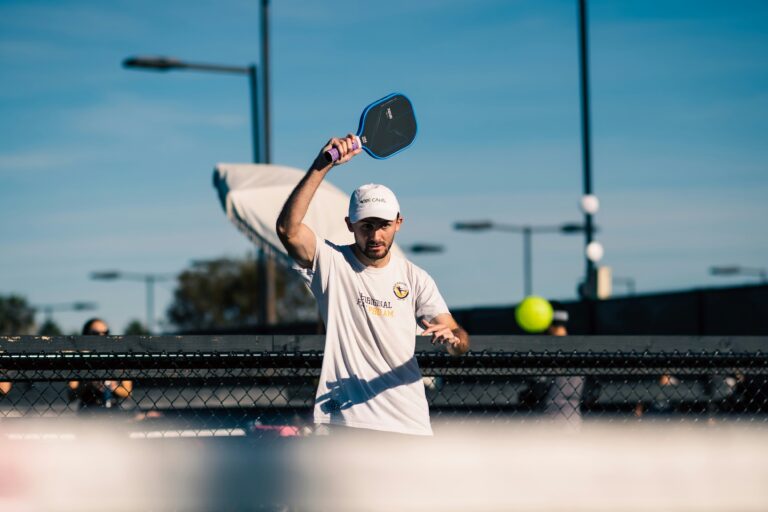
Ed Ju’s at-home circuit is five mini-sets of five reps. First: stay low with a tight core so the upper body stays stable — kitchen control.
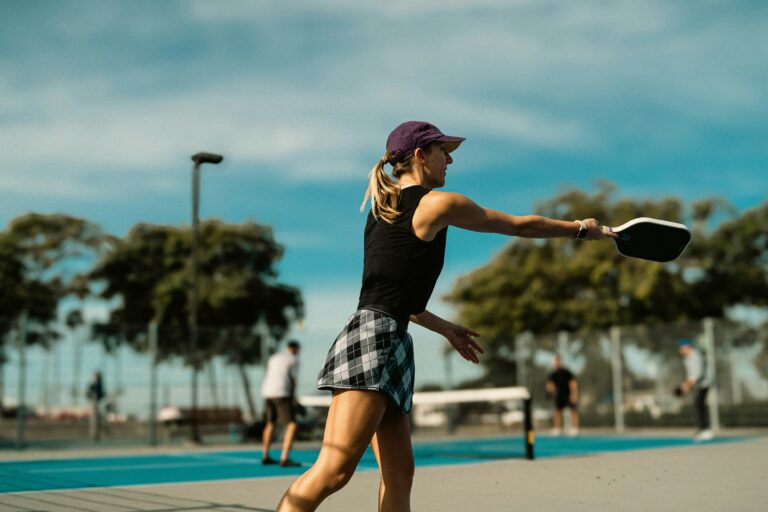
Coach Jess (Athena Pickleball): the ball will not come to you — get to it. On the forehand drive, get the back foot behind the ball, then press/load that leg.
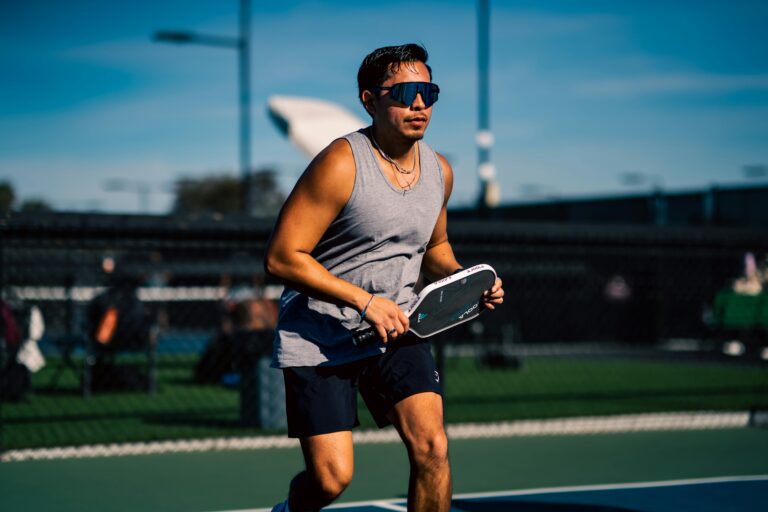
John Cincola’s short flags that backhand return problems usually start with the feet, not the swing — set footwork before you try to fix the paddle path.
Universal Rackets gives three mechanical fixes for floating returns. Swing forward through the ball instead of upward.
All Things Pickleball flags the statue mistake after aggressive cross-court dinks: you hit the corner and stay there, opening a huge middle gap while your partner is on the line.
Aylex on ready position: feet shoulder-width, soft knees, butt out, chest up, paddle away from the chest and under the nose. Standing straight or tucking the paddle in kills your first step.
Troy Akin: if you’re not adding pressure from the serve, you leave easier thirds and free points on the table. Use whole-body weight — transfer from back foot to front so the back foot even comes forward after contact.
Anna Leigh Waters starts third-shot drops with footwork: after you or your partner serves, split-step and move — don’t stand stuck waiting. Prefer hitting to the person still coming in (not yet established) for more margin.

Jordan Briones teaches a kitchen framework: dinks set up attackable balls — keep them low and move opponents before speeding into strong counters.
Richard Pickleball says the biggest dead-ball mistake is standing still once the ball dies — you jam yourself and waste the attack. Recognize the dead ball, take a step back, and get set early.