You Don’t Have to Rush the Kitchen After Every Drop
Kyle Koszuta pushes back on the myth that you must reach the kitchen line as fast as possible after every drop. Blind sprinting gets you and your partner hit and frustrated.

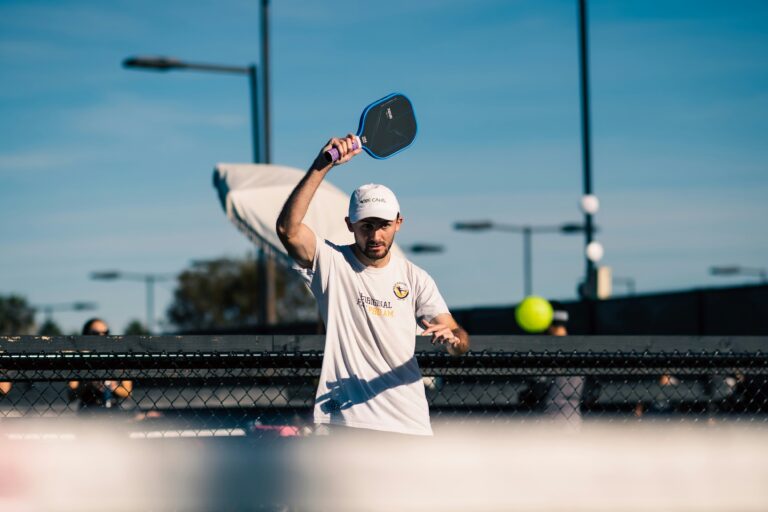
Kyle Koszuta pushes back on the myth that you must reach the kitchen line as fast as possible after every drop. Blind sprinting gets you and your partner hit and frustrated.
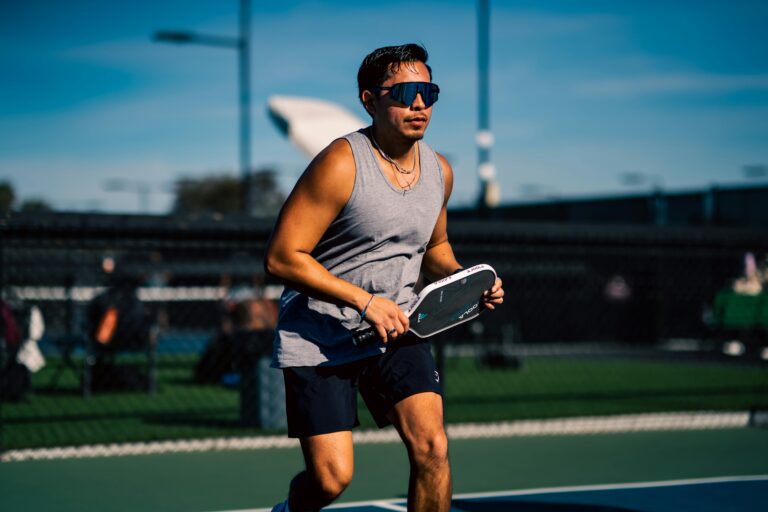
Universal Rackets ties the split step to a childhood dodgeball edge that came from tennis muscle memory. Hopping lightly as the throw left someone’s hand made it easy to push off and move.

Richard Pickleball uses a pro point to show what to watch when high-level players compete: how they transition. A good transition game is what gets a team to the kitchen.
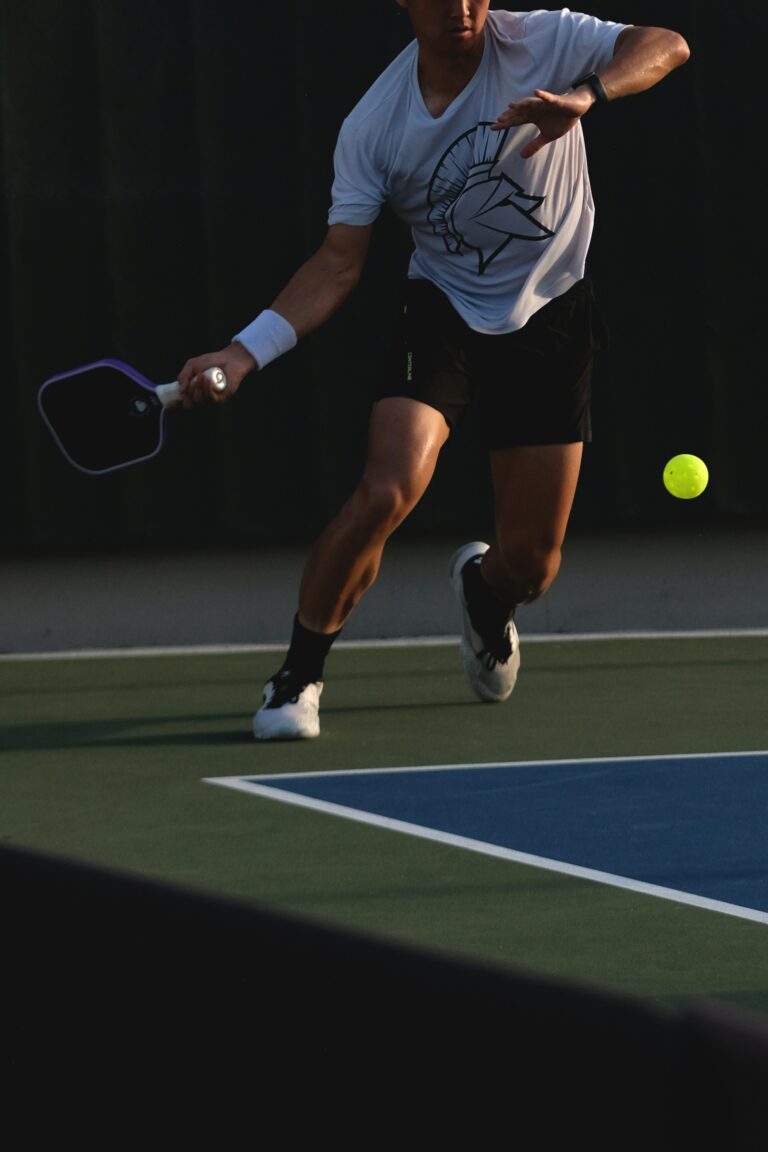
All Things Pickleball compares a beginner dink with an advanced one. The beginner version pushes through the back of the ball with little spin or shape, weight spread evenly, and contact too close to the body.
Coach Jess of Athena Pickleball boils improvement down to five concepts that pay off at every level.
Shea Underwood treats around-the-post as geometry plus a few technique tweaks. The closer the ball lands to the net, the wider the available angle; balls that land deeper shrink the window and often produce net misses.
Aylex separates when to use each stance on drives. Closed stance generates more power because you can push off the back leg — that’s the choice when you’re looking for a harder drive and have time to set.
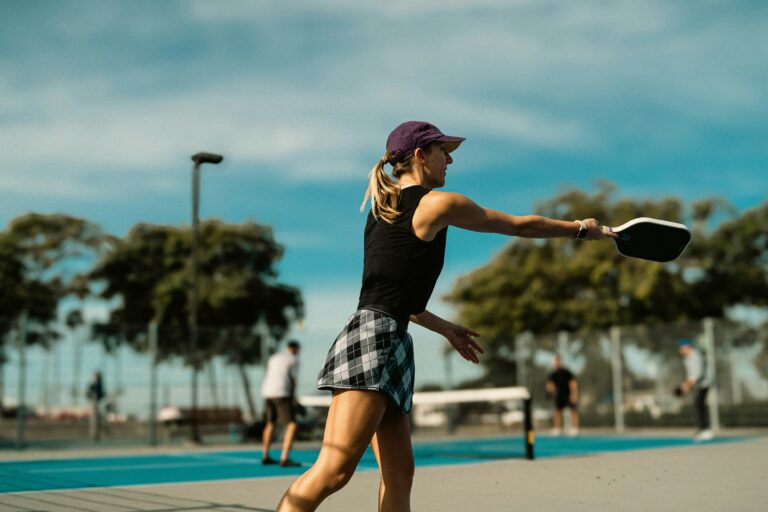
Aylex’s biggest forehand cue is position: always face the ball with your torso. That can be an open stance or a closed stance, but the belly button stays pointed at the ball either way.
Briones Pickleball Breakdown walks through a high-percentage transition: the team is already on defense, softens a ball, and instead of sprinting in blindly they take their time closing.
In Selkirk TV Episode 9, Coach Matthew Haley tells tennis converts that the full tennis split step doesn’t fit every pickleball moment — the court is smaller and the ball is faster — but it still earns a place in three situations: on the return of serve, when a short lob is about to be smashed, and when you’re crashing the net and need to plant right before the opponent contacts the ball.