Speed-Up Starts the Firefight — Reload Instantly
Universal Rackets reframes the speed-up: it is not meant to end the point — it starts a fast exchange. After you attack, reload instantly so you can finish the block back.

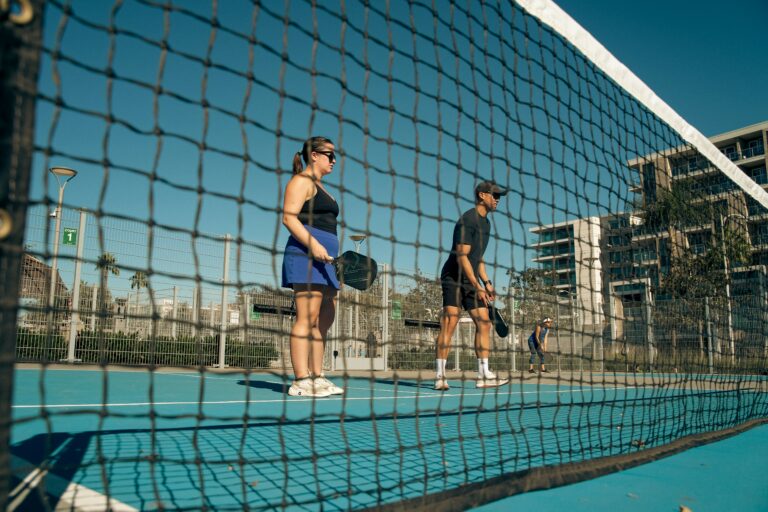
Universal Rackets reframes the speed-up: it is not meant to end the point — it starts a fast exchange. After you attack, reload instantly so you can finish the block back.

Anna Leigh Waters breaks down one of her most advanced shots: the backhand poach.

All Things Pickleball flags the biggest speed-up mistake: swinging from zero to one hundred. Huge swings are telegraphed and often sail long.
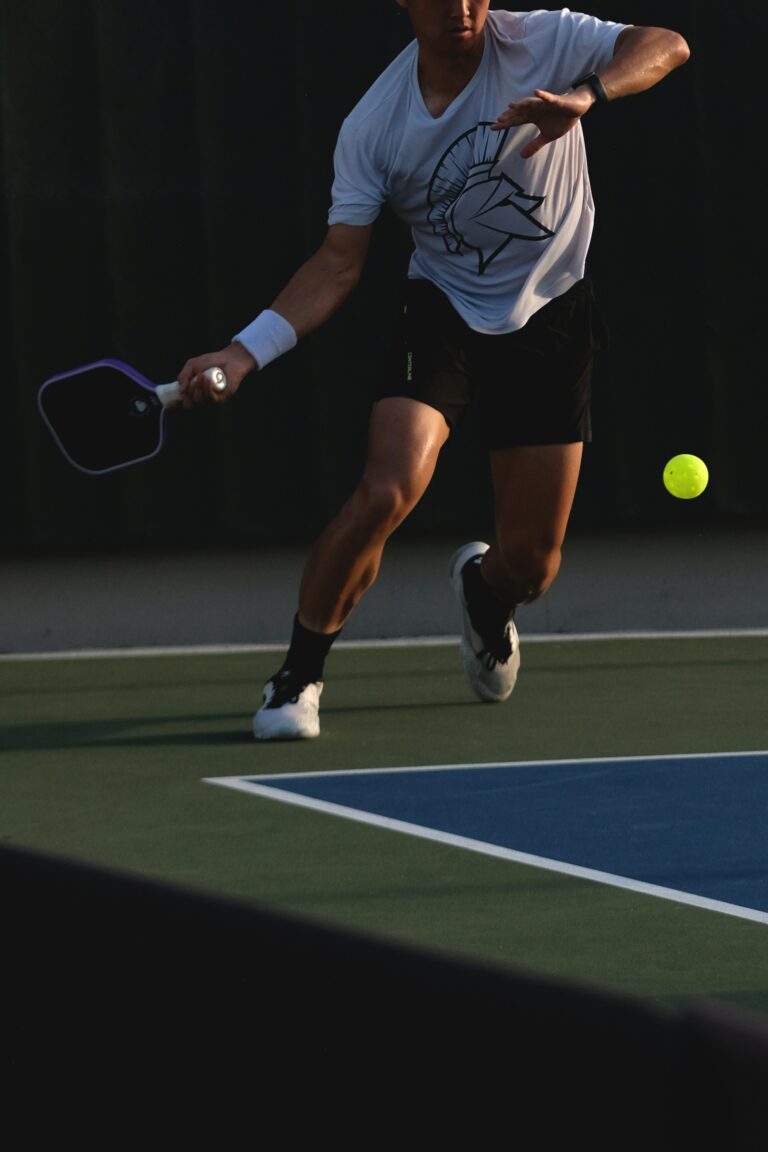
Tanner explains why amateurs struggle to flick low balls: they keep the paddle sideways because tip-down feels uncomfortable. Sideways flicks miss wide on slight mishits and cannot truly attack low balls.
Universal Rackets dumbs strategy down to physics. When you contact above the net you can swing high-to-low — offense and pace are on.
John Cincola’s short is a kitchen hands-battle cue: when to take a forehand versus a backhand under pace. Firefights go wrong when you default to one wing and reach across your body.
Ed Ju’s cat-and-mouse drill keeps every ball inside the kitchen while you try to outmaneuver opponents with dinks and angles. Anywhere in the kitchen is fair game — the constraint forces touch, footwork, and anticipation.
Universal Rackets reframes power as space. A ball jammed into the body — theirs or yours — leaves only a block.
Parth Mody says pros find more flicks because they stay attack-ready. The cheat code is the bunt: set the wrist down in the same position you use for a flick so you can take time away even on low balls.
Pickleball Kitchen walks through habits that keep beginners stuck. Smash putaway overheads instead of tapping them; the kitchen rule only applies to balls that have not bounced, so you can step in on bounced dinks.