Three Pickleball Myths: Middle Coverage, Third-Shot Spacing, and Drive Pace
Tanner knocks down three beliefs that quietly hold players back.

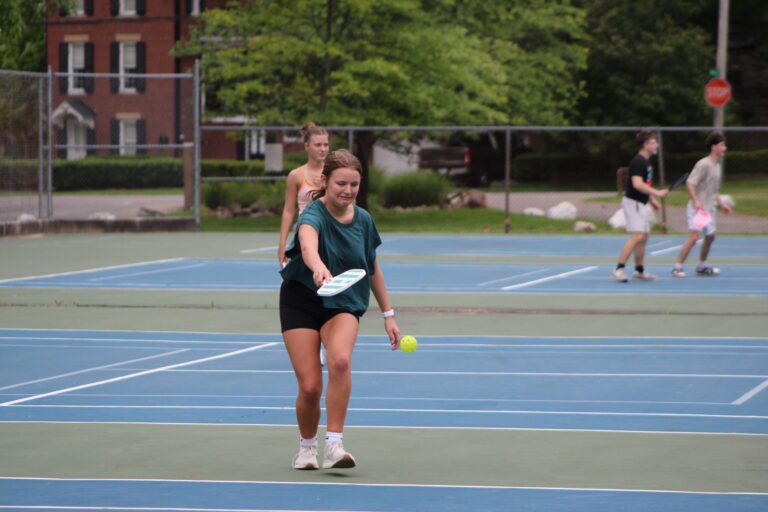
Tanner knocks down three beliefs that quietly hold players back.
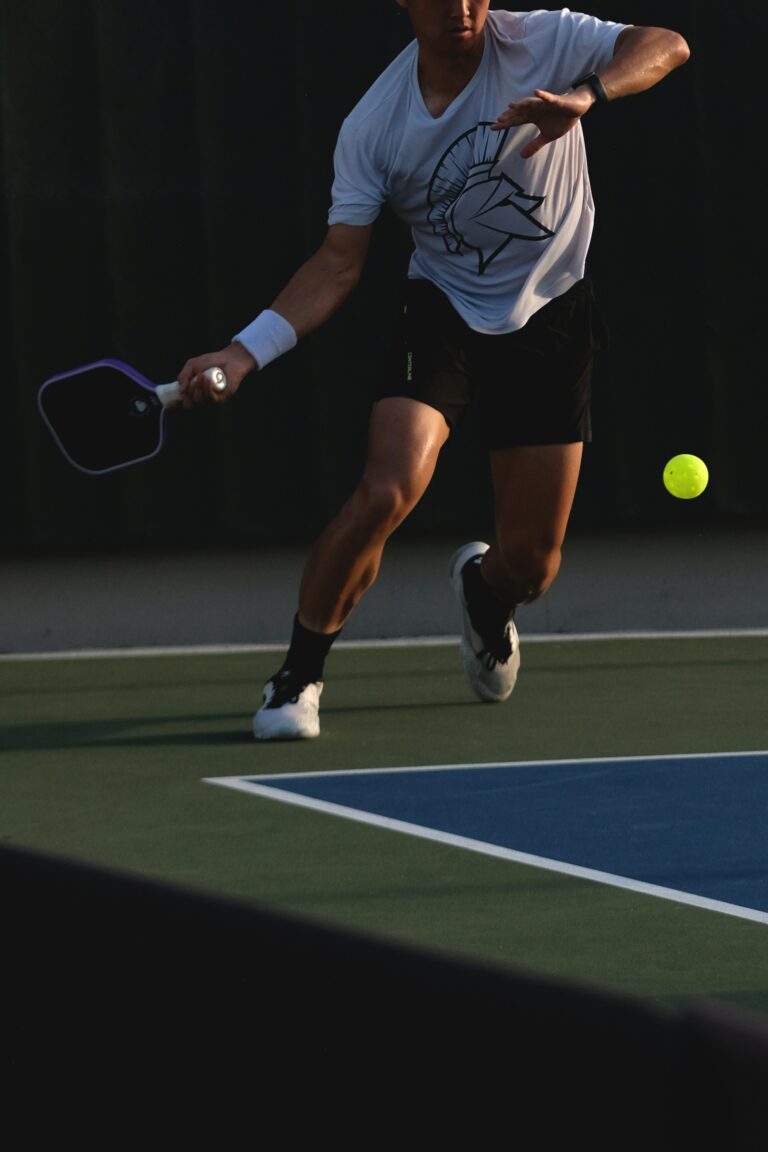
Briones Pickleball Breakdown highlights a live tell while a player leans in and takes time away: watch the paddle tip. Tip down while they lean is one of the strongest signals they are about to speed the ball up.
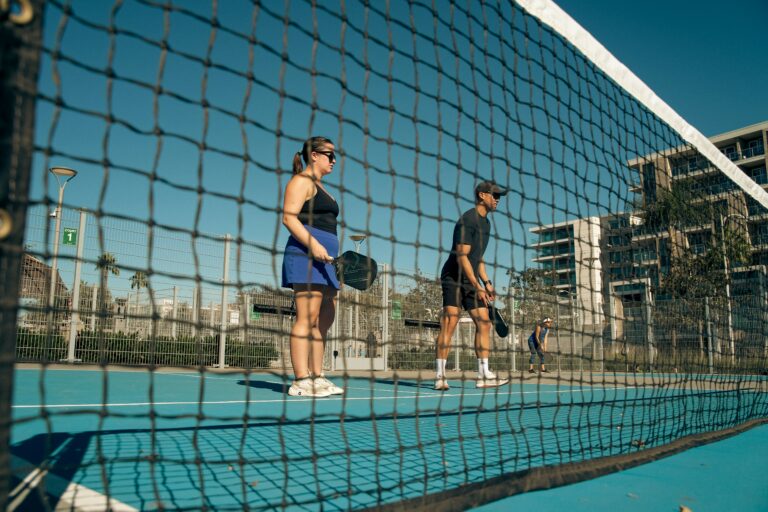
Coach Jess tells beginner and intermediate players to stop waiting until their strokes are perfect before learning patterns. The foundational one is simple: find the opponent’s feet, earn a ball that pops up, then attack — down, then up.
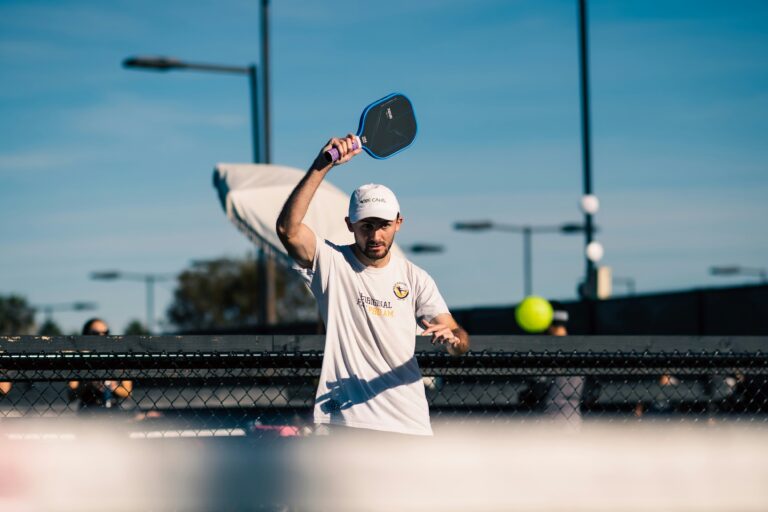
Collin Johns (via Pickleball 360) reframes kitchen footwork as efficiency, not more steps. Plant outside the NVZ and arrive balanced early so you steal time from the opponent — a full step often costs more time than a simple weight shift.
Preston’s Playbook stacks the eight rules new players trip over most. Serve with a legal low-to-high motion — bounce serve or volley serve — with the paddle head below the wrist at contact.

Jill Braverman lists five pieces of advice that still float around rec courts and why modern paddles and pace make them outdated.
All Things Pickleball turns dink choice into a simple zone cheat code instead of random soft balls. If the ball lands shallow in zone 1, let it bounce.
Marshall Brown of Selkirk TV flips the usual underdog habit of backing off the kitchen against stronger teams. Stepping back makes their aggressive dinks easier and leaves bounce balls that keep you stuck in a soft game they will win.
Richard Pickleball addresses the opponent who creates offense by reaching early and often until nowhere feels safe. Reaching changes the map: some spots get harder, but others open.
Coach Dave Furman of Pickleball Daily packs ten intermediate upgrades into one lesson.