The Key to the Backhand Counter
Emma Cook’s tip for the backhand counter is all about economy: keep the swing very short and compact.

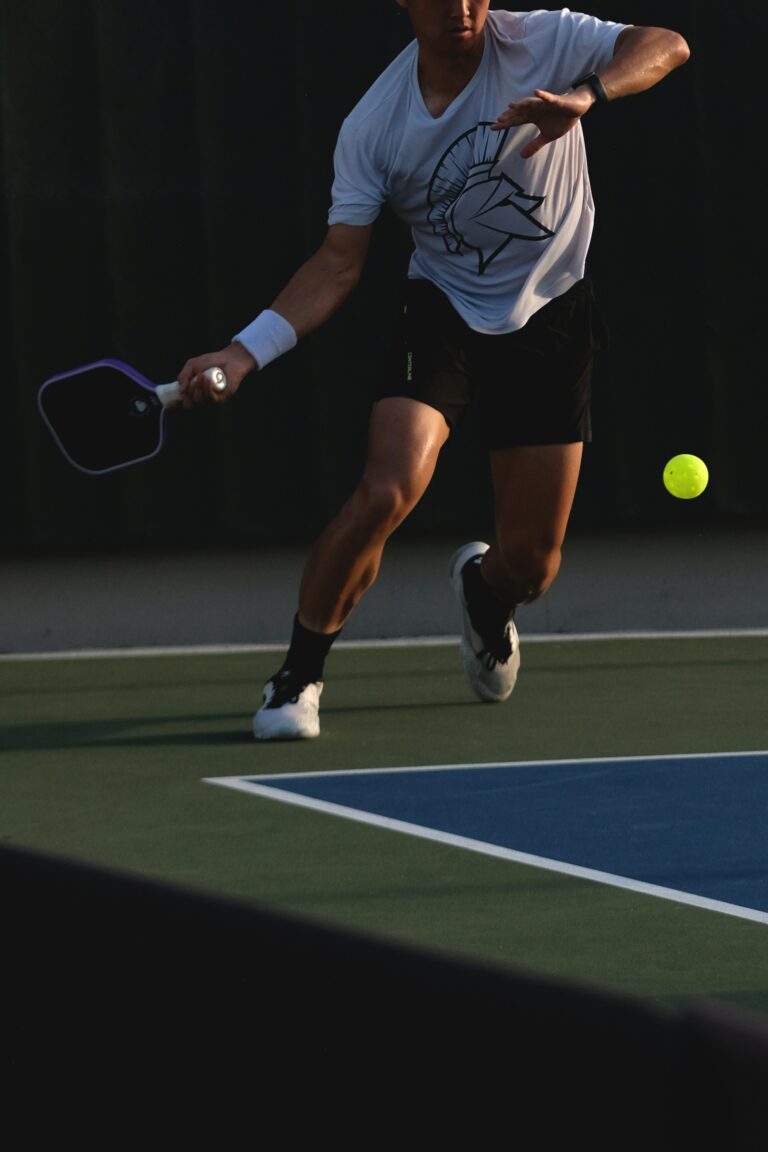
Emma Cook’s tip for the backhand counter is all about economy: keep the swing very short and compact.
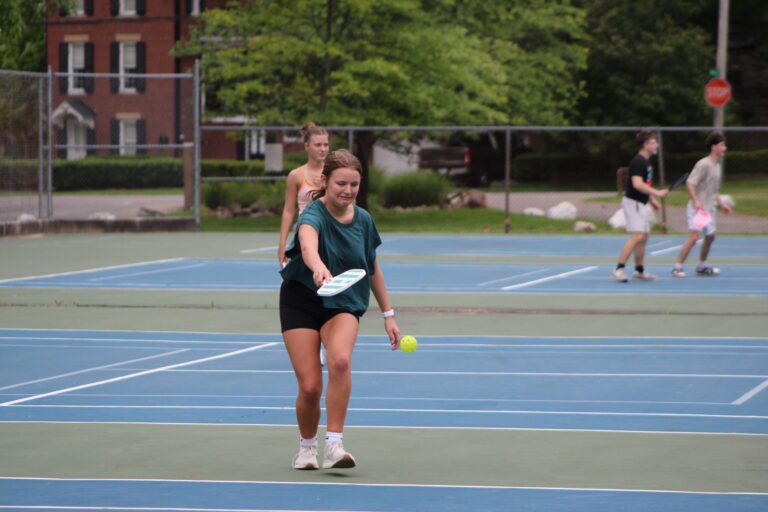
Universal Rackets shows why so many speed-ups go wrong: the ideal contact point for a speed-up is out in front, but when the ball is close to your body you try to force it anyway and it fails every time.

Universal Rackets explains the difference between a ball you can attack and one you can only neutralize.

Preston’s Playbook tackles a familiar problem: you’re in control at the kitchen line with chance after chance to finish, but you keep hitting attack volleys straight at your opponent, who resets and gets back in the point.
Marshall Brown explains a lesson he learned against better teams: it’s easy to fall into their slow game and hesitate to speed up because you expect to get countered.
Briones Pickleball Breakdown reviews a short point and shows why attacking the wrong ball — or the wrong spot — costs the rally.

Cliff Pickleball shares Chapter I of a real, uncut session with Ariel, a former D1 tennis player who went from 4.0-plus to around 5.4–5.5 in about six months. It isn’t a drill list; it’s live correction under pressure.
Richard explains why so many players struggle with short hops: paddle positioning. Hitting a short hop while standing tall makes the ball very hard to control.
Pickleball Daily walks through the most common rookie mistake newer players bring from tennis: the big backswing at the kitchen line.
Tanner shows how to hit the aggressive forehand roll dink quickly. The key is getting your outside leg behind the ball as it approaches, which lets you drop the paddle head and generate topspin.