9 Effortless Tactics To Have Faster Hands
Coach Austin Hardy shares nine tactics for faster hands at the kitchen line, from choking up and a backhand-favoring ready position to mini split steps and knowing when to swing or reset.

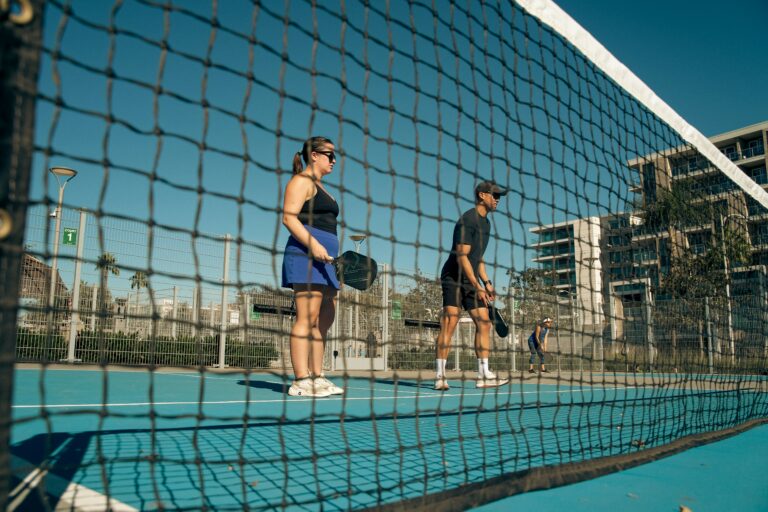
Coach Austin Hardy shares nine tactics for faster hands at the kitchen line, from choking up and a backhand-favoring ready position to mini split steps and knowing when to swing or reset.
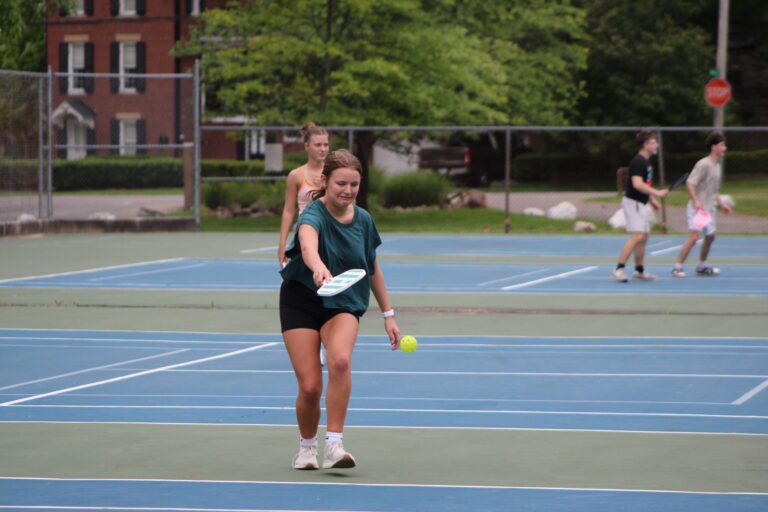
Selkirk TV’s Coach Marshall Brown starts a series on beating a better team, and the theme is creating chaos, since you won’t out-dink stronger players. This video covers five speed-ups from the right side of the kitchen line.
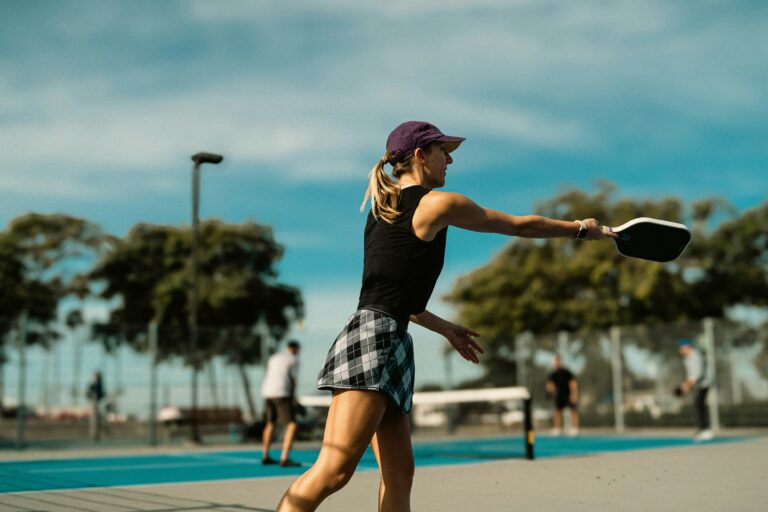
John Cincola uses pro footage to explain how to hunt for an attackable ball. When your opponent can’t speed up at you, extend your paddle out into the court in a hunting position, looking to take the next ball out of the air.

Universal Rackets explains why paddle position changes depending on where you stand. Near the kitchen you hold the paddle up, but the further back you go, the lower your ready position should be, because that’s where the balls will arrive.
Shea Underwood’s drill for mastering dinking: start cross-court with your partner, both at the kitchen line, and try to hit 50 dinks in a row. Count out loud.

Limitless Pickleball explains why getting up to the kitchen line is so important, and why staying back usually means losing the point.
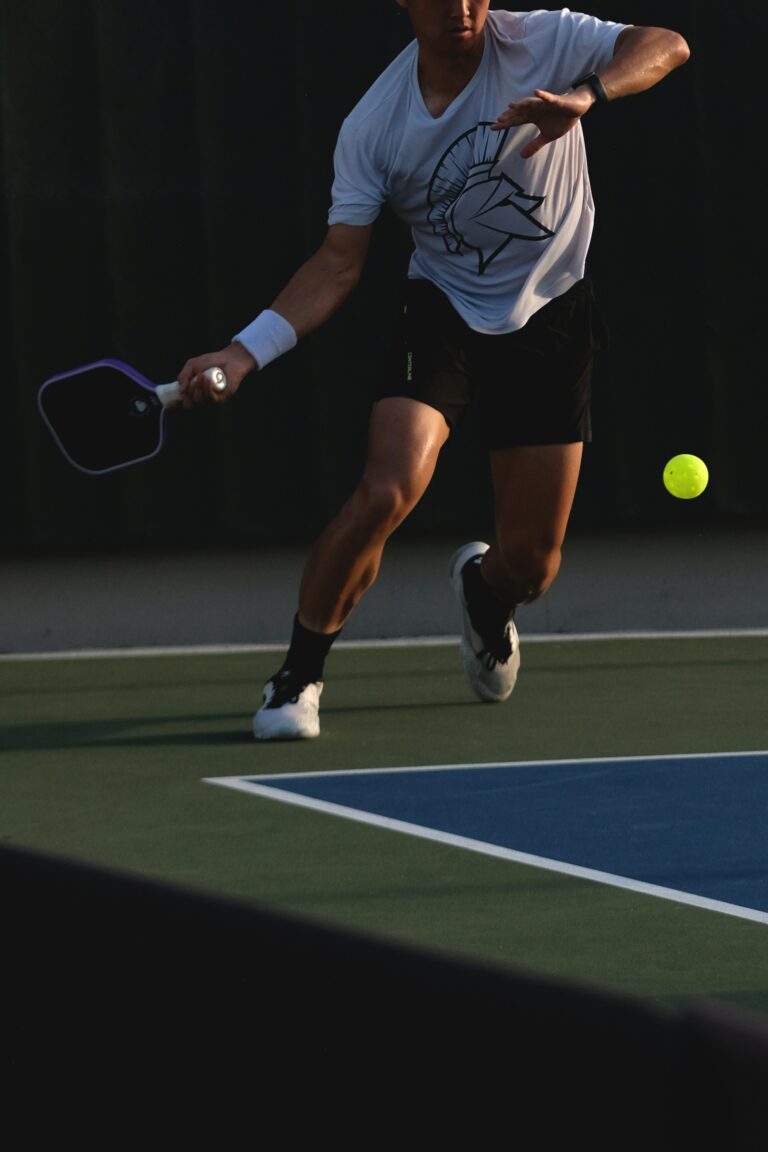
Preston’s Playbook shares his number-one strategy for getting to the kitchen: start the point with a third-shot drive, aiming to draw a weak volley that gives you a much easier fifth-shot drop.
Ed Ju and his partner share their go-to drill for straight-on dinks. Too many players only train cross-court, so in this drill one player hits straight while the other hits diagonally, creating a figure-eight pattern.
Cliff Pickleball’s fix for missed dinks is about contact point and footwork. Whenever you can make contact out in front, you get more control, more consistency and better placement.
Universal Rackets breaks down the three reasons dinks go into the net (a closed paddle face, deceleration and late, low contact) and the simple fix for each.