Disguise Kitchen Speed-Ups: Open Feet, Hold, Then Accelerate
Aylex Pickleball (with 5.0+ Eugene) shows how to win kitchen points with speed-ups opponents can’t read: feet, timing, and when you accelerate.


Aylex Pickleball (with 5.0+ Eugene) shows how to win kitchen points with speed-ups opponents can’t read: feet, timing, and when you accelerate.
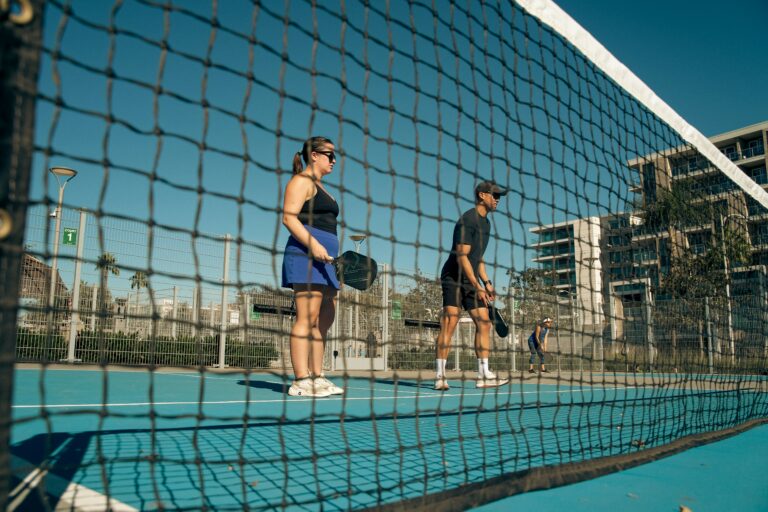
tanner.pickleball argues the most important shot isn’t the serve, return, or third-shot drop — it’s the fourth ball, because it decides who controls the rally.
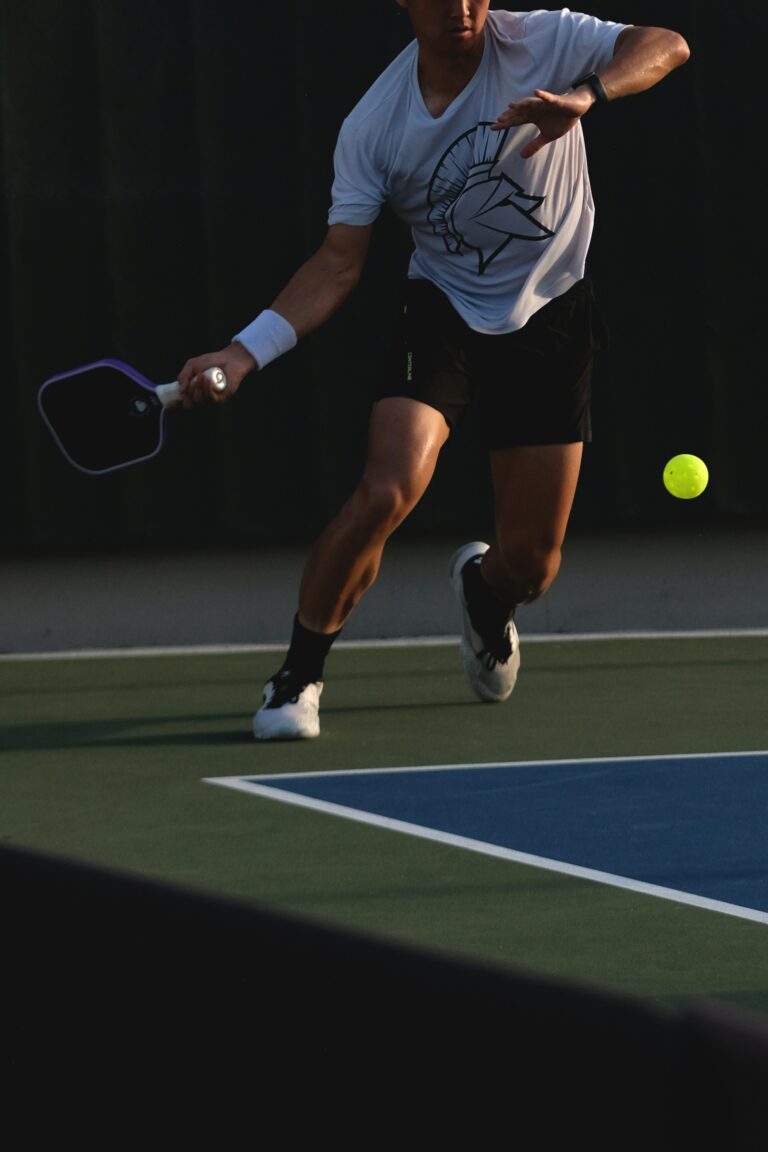
Elite Pickleball Coaching diagnoses a common reason dinks die in the net: paddle face too closed toward the net and a straight-line swing that drives the ball into the tape.
tanner.pickleball shows a winning pattern pros hunt in under a minute.
Richard_pickleball fixes beginner dink aiming on the left side (especially with a righty partner): taking middle-ish balls and dinking into the crowded middle gives Alec (or any poacher) an easy offense look.
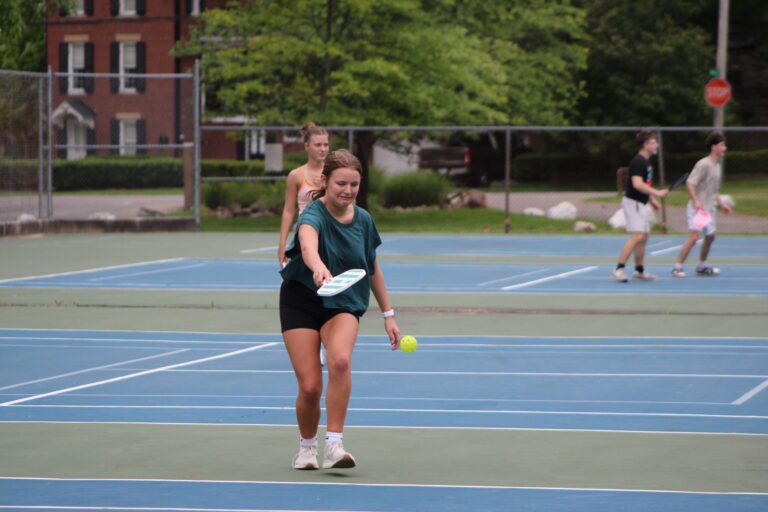
Elite Pickleball Coaching clears the myth on super-wide balls: you don’t have to go back over the net.
Cliff Pickleball works with a skilled but inconsistent junior: every hard drive gets blocked up for another smash. Fix the block first — soft hands that guide the ball, not a frozen paddle in one spot.
tanner.pickleball’s deceptive kitchen speed-up: on a dead ball in front of you, use a backhand grip and flip the paddle so the face points away from the court — opponents can’t read the line.
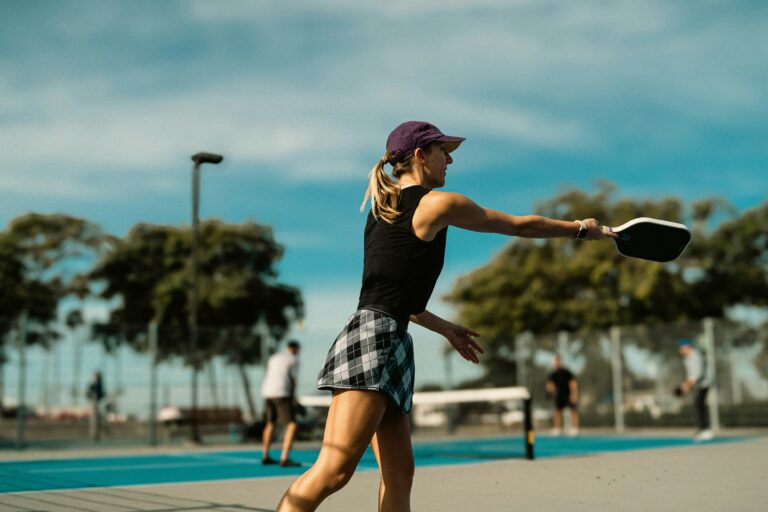
Briones Pickleball Breakdown flags a common low-ball attack miss: flicking into the easy backhand of a righty across from you.
Elite Pickleball Coaching packs three backhand dink tools into one short: