Poach Discipline: Don’t Steal Your Partner’s Easy Forehand
The Pickleball Daily reframes poaching: aggression is good, over-reaching is not.
The Pickleball Daily reframes poaching: aggression is good, over-reaching is not.

Richard Pickleball fixes the left-side chicken wing when the ball sits in the middle.

Pickleball Daily makes the case for practicing the third-shot drop even though it’s hard: it’s how you slow the game down through the transition zone instead of banging.
tanner.pickleball shows a quiet winner: when your opponent dinks from out wide and is recovering back to middle, they’re bracing for a speed-up.
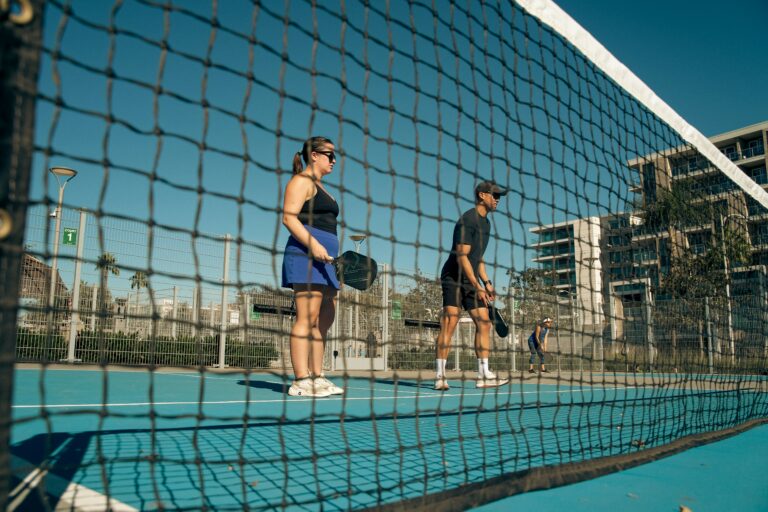
Universal Rackets on down-the-line passing shots: if they haven’t shown you the DTL, keep shading middle. The first pass is often slower — you have time, and you can even Ernie or attack it.
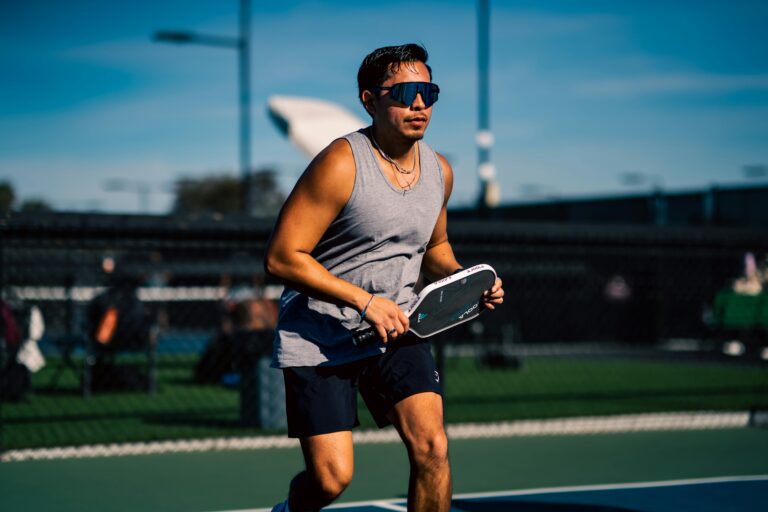
Universal Rackets breaks down getting to wide balls: hop, then shift — light feet with heels never parked on the ground. Pair that with an early paddle read and the down-the-line pass stops being free.
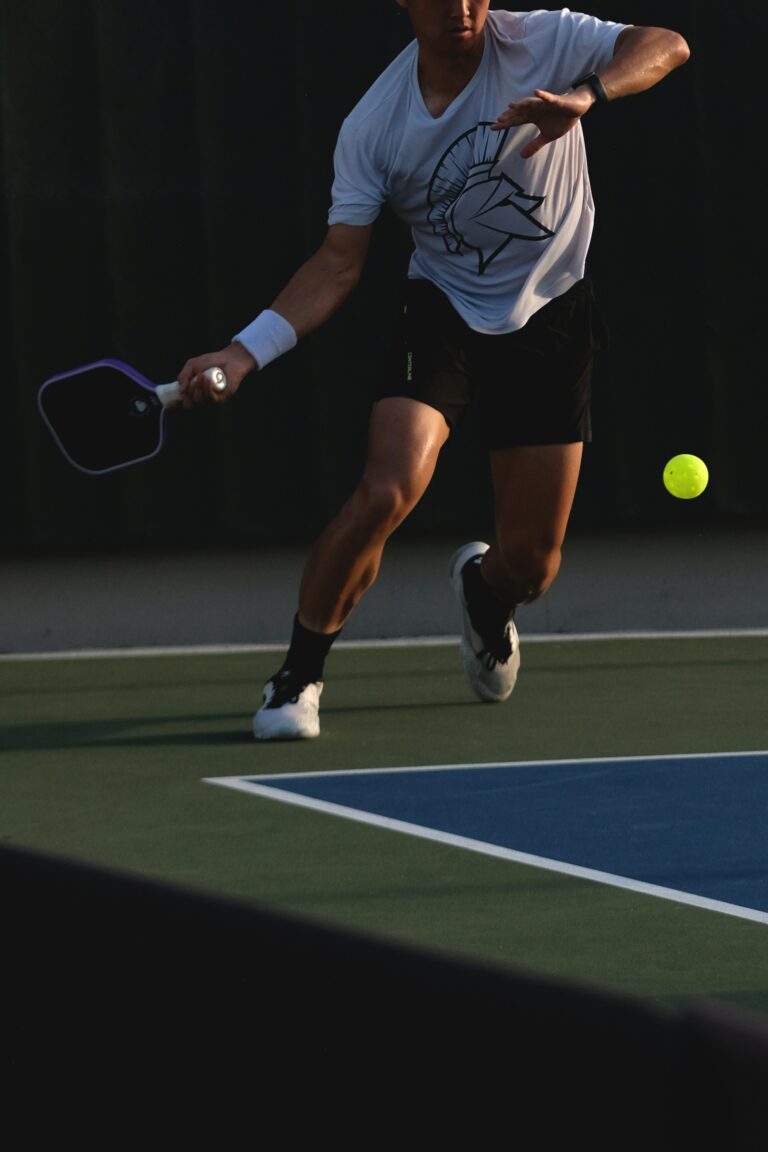
Richard Pickleball pins weak forehand counters on an awkward ball where the elbow drops behind you — you get jammed and have no room to swing.
Friday Pickleball answers how tour hands get so fast: wall volume. Tennis green walls felt dead for a pickleball (it doesn’t compress like a tennis ball), brick corners killed rallies, and concrete was meh.
Elite Pickleball Coaching (with Aiden Schenk) shows how to force a pop-up from crosscourt dinks on the left side. The key isn’t one “perfect” dink — it’s mixing spins so the opponent never settles.
Pickleball Playbook packs lessons from five years of coaching.