Respect Your Power Threshold: Accuracy Beats Extra Pace
Kyle Koszuta names the trap that follows a clean winner: you add even more pace on the next ball and cross your personal power threshold, where accuracy falls off a cliff.

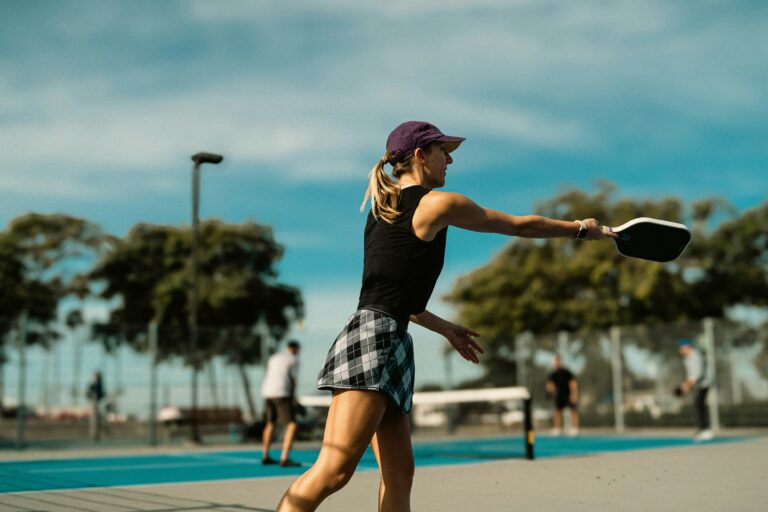
Kyle Koszuta names the trap that follows a clean winner: you add even more pace on the next ball and cross your personal power threshold, where accuracy falls off a cliff.
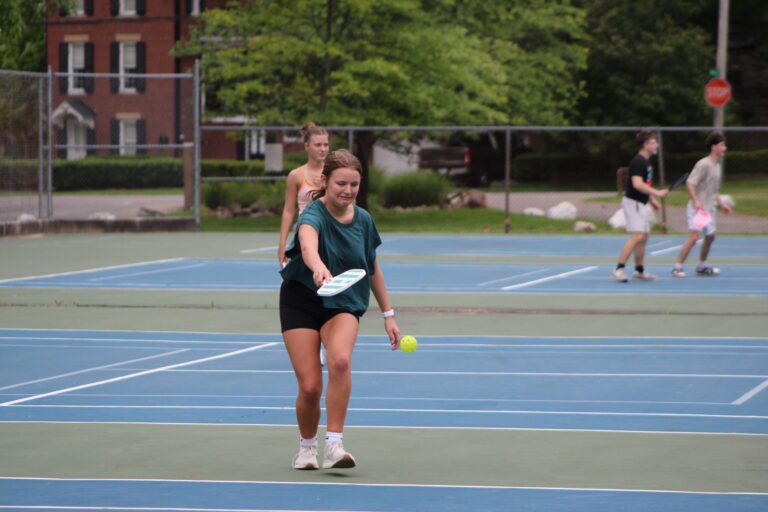
Tanner knocks down three beliefs that quietly hold players back.
Universal Rackets frames inconsistent drives as a diagnosis problem, not bad luck. One drive is a winner; the next is long or in the net — and the first cause to check is spin.
Pickleball Daily flags the tennis long backswing as a common convert mistake on drives. The pickleball sits lower and arrives faster, so a big take-back leaves you late under a dying bounce and dumps the ball into the net or long.
Coach Jordan Briones walks Asian pro footage for patterns amateurs can steal. High-level teams stay patient: when pulled wide they shuffle and dink middle to take away angles, and they attack only on high-percentage looks.
Aylex Pickleball Academy pushes back on the urge to keep adding drive pace. Once your drive is already solid, squeezing out a little more pace takes a lot of practice time that would be better spent elsewhere.
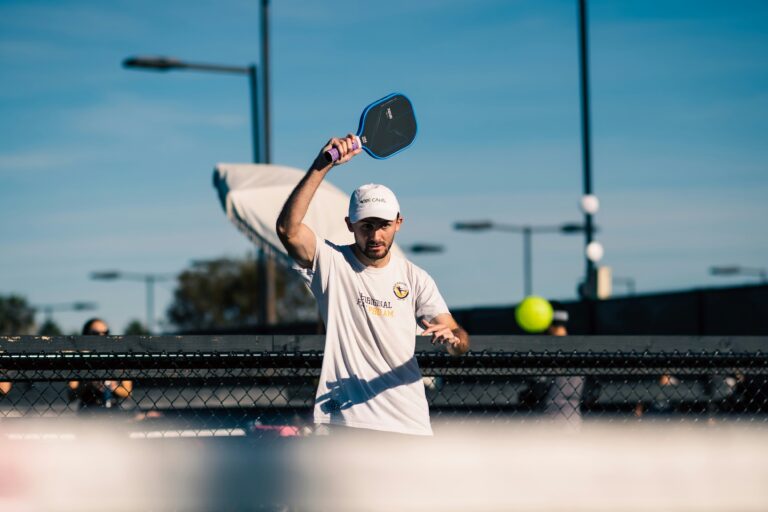
Aylex separates when to use each stance on drives. Closed stance generates more power because you can push off the back leg — that’s the choice when you’re looking for a harder drive and have time to set.
Aylex’s biggest forehand cue is position: always face the ball with your torso. That can be an open stance or a closed stance, but the belly button stays pointed at the ball either way.
Ed Ju shares three drills that clean up the forehand drive. First, a partner drops two balls: catch the first with your non-dominant hand, then drive the second — that trains the non-dominant arm as a measuring stick for spacing and timing.
Marshall Brown explains a lesson he learned against better teams: it’s easy to fall into their slow game and hesitate to speed up because you expect to get countered.