2HBH Counter: Ski the Tracks, Don’t Reach-and-Stab
Jilly B coaches her wife Kristin’s two-handed backhand counter from a “reachy stabby” 3.5 into a trustworthy high-level shot.


Jilly B coaches her wife Kristin’s two-handed backhand counter from a “reachy stabby” 3.5 into a trustworthy high-level shot.
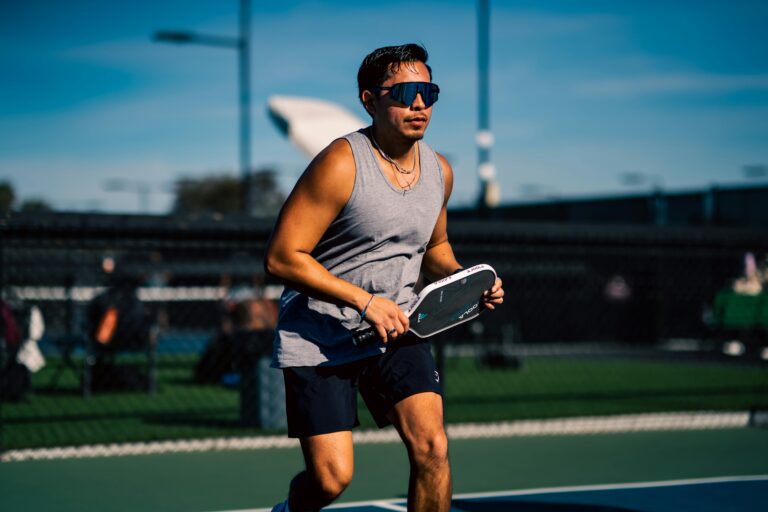
Tanner’s disguise cue for the backhand flick: amateurs stay planted in their box on an attackable dink, which makes a true down-the-line flick almost impossible — you’re stuck going through the middle.
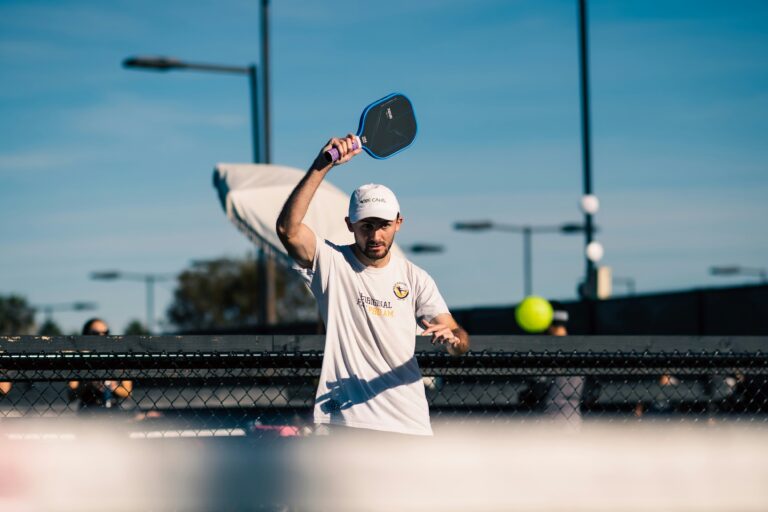
Ed Ju’s at-home circuit is five mini-sets of five reps. First: stay low with a tight core so the upper body stays stable — kitchen control.
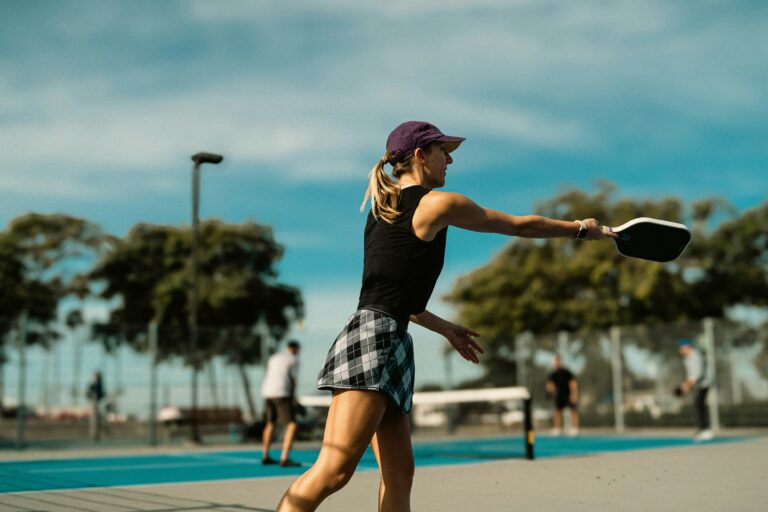
Coach Jess (Athena Pickleball): the ball will not come to you — get to it. On the forehand drive, get the back foot behind the ball, then press/load that leg.
John Cincola’s short flags that backhand return problems usually start with the feet, not the swing — set footwork before you try to fix the paddle path.
All Things Pickleball flags the statue mistake after aggressive cross-court dinks: you hit the corner and stay there, opening a huge middle gap while your partner is on the line.
Anna Leigh Waters starts third-shot drops with footwork: after you or your partner serves, split-step and move — don’t stand stuck waiting. Prefer hitting to the person still coming in (not yet established) for more margin.
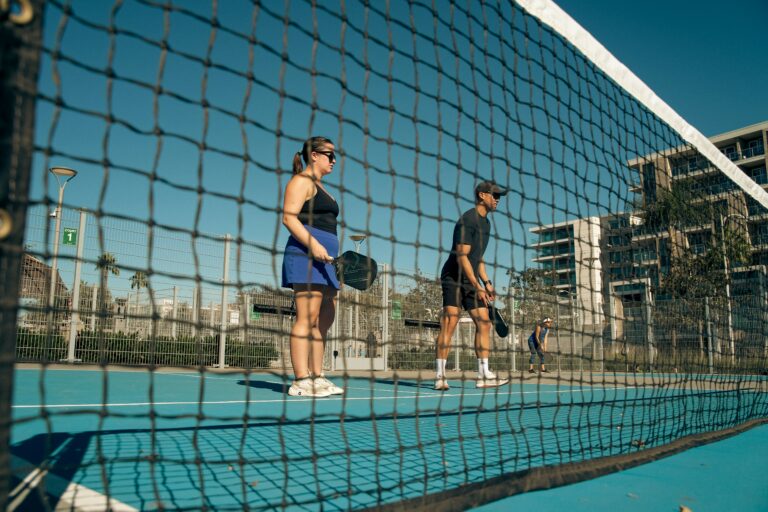
Ed Ju’s cat-and-mouse drill keeps every ball inside the kitchen while you try to outmaneuver opponents with dinks and angles. Anywhere in the kitchen is fair game — the constraint forces touch, footwork, and anticipation.
Universal Rackets ties the split step to a childhood dodgeball edge that came from tennis muscle memory. Hopping lightly as the throw left someone’s hand made it easy to push off and move.
Aylex separates when to use each stance on drives. Closed stance generates more power because you can push off the back leg — that’s the choice when you’re looking for a harder drive and have time to set.