Speed-Up = Change of Pace, Not a Huge Swing
All Things Pickleball flags the biggest speed-up mistake: swinging from zero to one hundred. Huge swings are telegraphed and often sail long.


All Things Pickleball flags the biggest speed-up mistake: swinging from zero to one hundred. Huge swings are telegraphed and often sail long.

Tanner’s under-60-second tip: most players get hit by outs because they aren’t thinking one shot ahead. A speed-up from below the waist has to travel up, so it’s more likely long.
Jilly B calls classic red/yellow/green attack rules — never attack below the net, maybe at net height, green above — outdated cookie-cutter advice. With modern paddles, a dead ball can be sped up even when it sits in the old “red” zone.

Universal Rackets breaks blocked speed-ups into three mistakes. First, players speed up balls they have no right to — below the net in a dink rally — so the ball goes flat or up and is easy to block.

Selkirk TV’s left-side plan against a higher-DUPR team is to force a firefight. From the left you get several off-the-bounce backhand speed-up windows plus forehand options, and you should also reach in and take balls out of the air.
Universal Rackets shows why so many speed-ups go wrong: the ideal contact point for a speed-up is out in front, but when the ball is close to your body you try to force it anyway and it fails every time.
Universal Rackets explains the difference between a ball you can attack and one you can only neutralize.
Marshall Brown explains a lesson he learned against better teams: it’s easy to fall into their slow game and hesitate to speed up because you expect to get countered.
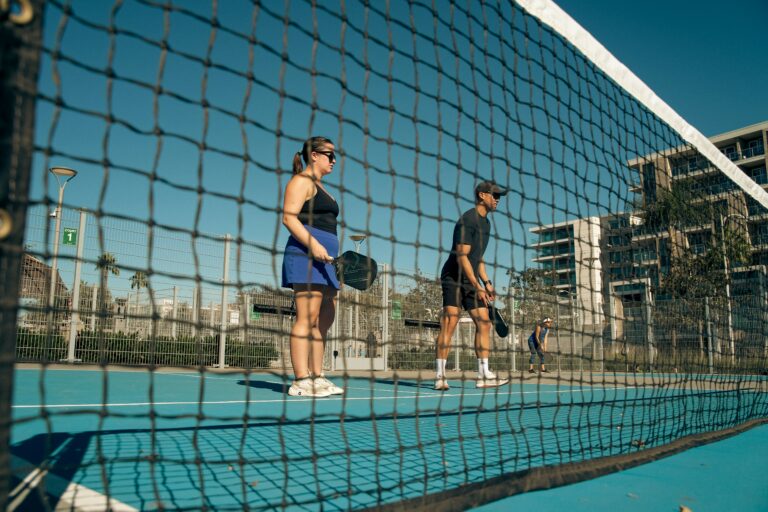
Briones Pickleball Breakdown reviews a short point and shows why attacking the wrong ball — or the wrong spot — costs the rally.

Cliff Pickleball shares Chapter I of a real, uncut session with Ariel, a former D1 tennis player who went from 4.0-plus to around 5.4–5.5 in about six months. It isn’t a drill list; it’s live correction under pressure.