Around the Post Is Legal — Through the Gap Is Not
Aylex flags USA Pickleball Rule 13.C: a ball may be returned around the outside of the net post. When you’re pulled wide, whipping it around the post counts if it lands in.
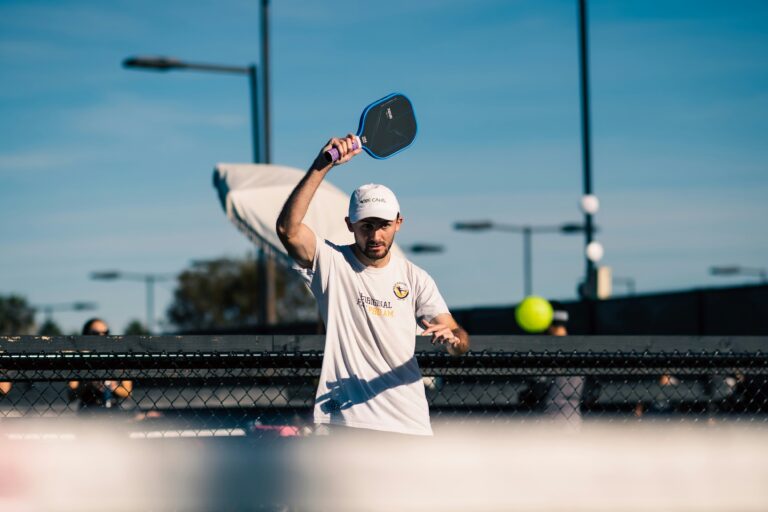
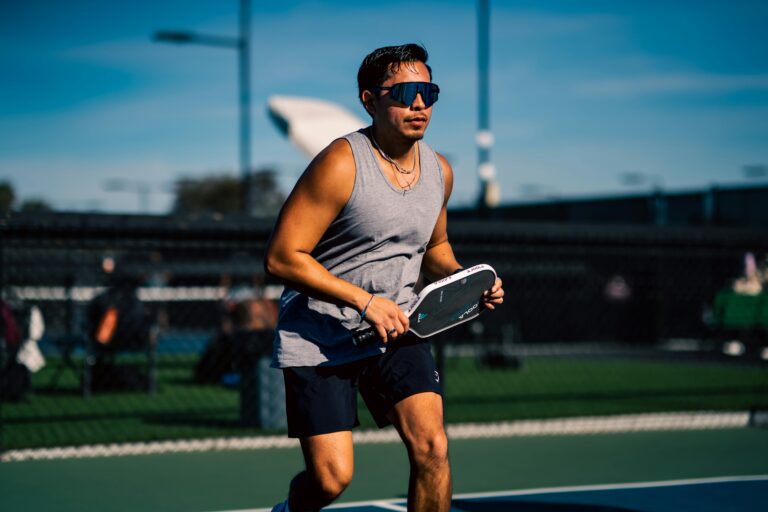
Aylex flags USA Pickleball Rule 13.C: a ball may be returned around the outside of the net post. When you’re pulled wide, whipping it around the post counts if it lands in.

Aylex cites USA Pickleball Rule 3.D.3: there is no restriction on paddle weight. Rule 3.D.2 likewise puts no cap on thickness.

Aylex cites USA Pickleball Rule 7.E: the serve must clear the non-volley zone with or without touching the net and land in the correct service court. Rule 13.A keeps a net-touch ball in play.
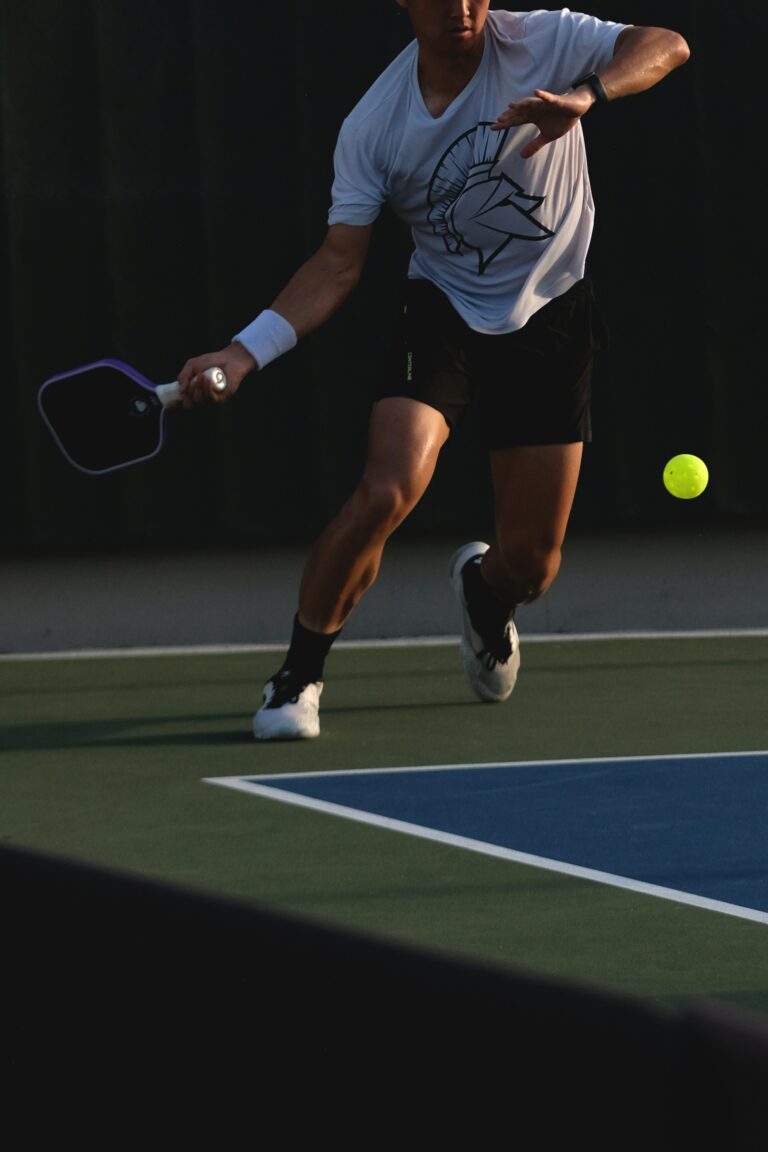
Aylex flags Rules 7.D.3 and 7.D.4: on a drop serve there is no limit on how many times the ball may bounce before you hit it, and no limit on where those bounces occur.
Aylex on ready position: feet shoulder-width, soft knees, butt out, chest up, paddle away from the chest and under the nose. Standing straight or tucking the paddle in kills your first step.
Aylex says ruined dinks often start with grip pressure. Hold the paddle like a light handshake — continental grip — so you see a V along the side bevel.
Aylex demonstrates the illegal paddle motion many players sneak onto serves: a clear high-to-low chop that never returns upward. Stopping in the downward path is a fault.
Aylex clears a myth: you can put topspin, slice, or sidespin on a (drop) serve. What matters is the paddle path still includes an upward arc.
Aylex Academy covers common illegal serves. On a drop serve, a toss or lift of the ball before the bounce is illegal — the ball should be dropped.
Aylex Academy explains why cross-court dinks are safer than straight ahead. The net is lower in the center (34 inches) than at the sidelines (36 inches), so the cross-court path clears easier.