Hold the Speed-Up: Prep Early So They Can’t Sit on You
Richard Pickleball explains why opponents sit on your speed-ups: you swing too soon and telegraph the line. Once you earn a dead ball, get the paddle prepped early — then hold.
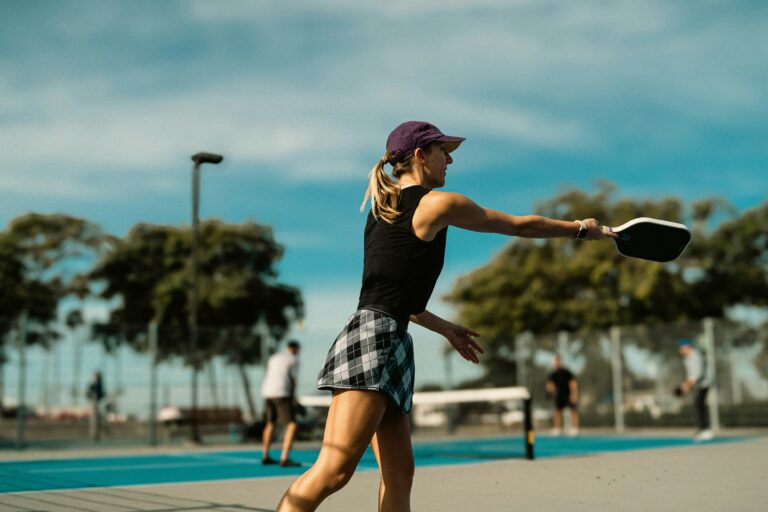
Richard Pickleball explains why opponents sit on your speed-ups: you swing too soon and telegraph the line. Once you earn a dead ball, get the paddle prepped early — then hold.
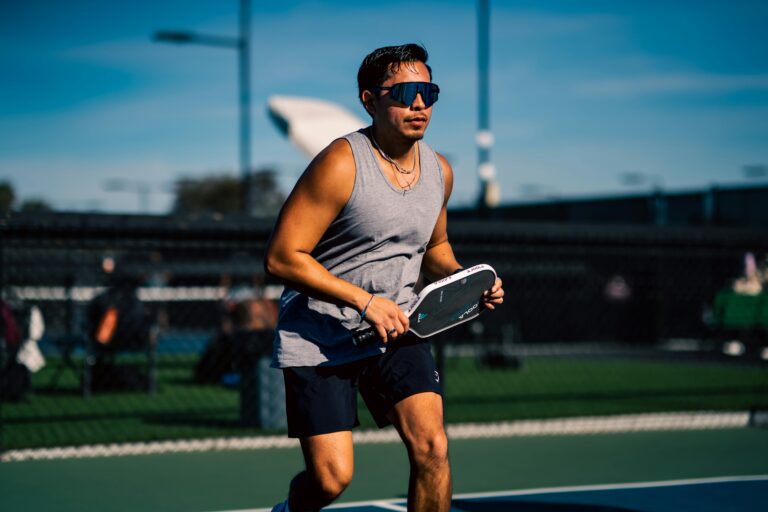
Tanner’s disguise cue for the backhand flick: amateurs stay planted in their box on an attackable dink, which makes a true down-the-line flick almost impossible — you’re stuck going through the middle.

Tanner’s attack cue: when the opponent is loaded for power, don’t give them the heater they’re blocking for. Change to an off-speed attack instead.

Anna Leigh Waters on the lob serve: get it deep so returners take time and arrive late to the kitchen, and use the high bounce that leaves people uncomfortable above their strike zone. Same pre-serve routine as a hard serve for disguise.
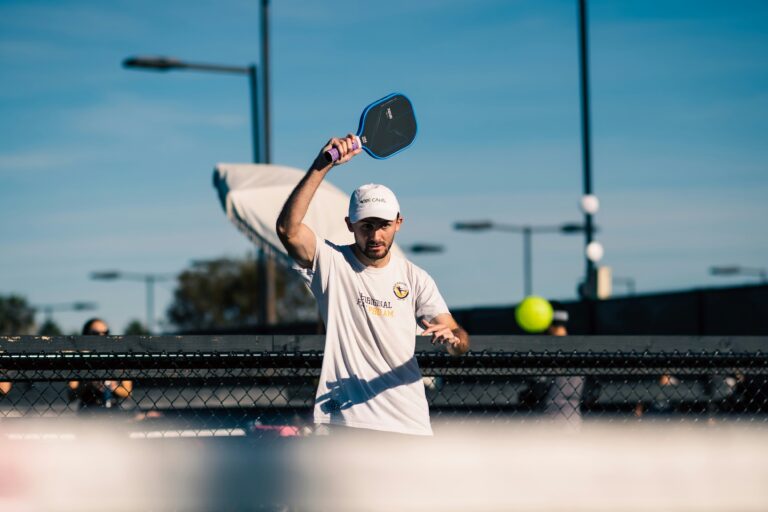
Richard Pickleball says the biggest dead-ball mistake is standing still once the ball dies — you jam yourself and waste the attack. Recognize the dead ball, take a step back, and get set early.
All Things Pickleball flags the biggest speed-up mistake: swinging from zero to one hundred. Huge swings are telegraphed and often sail long.
Universal Rackets explains the difference between a ball you can attack and one you can only neutralize.
Summary Universal Rackets (Coach Tyler), a ~31-minute off-script discussion: should you play away from the…