Baseline Drops: Topspin Pressure Instead of Slice
Elite Pickleball Coaching: slicing a drop from the baseline is risky — if it does not bounce below the net, the opponent tees off as you come in and you cannot cover chest/feet/sides.

Elite Pickleball Coaching: slicing a drop from the baseline is risky — if it does not bounce below the net, the opponent tees off as you come in and you cannot cover chest/feet/sides.
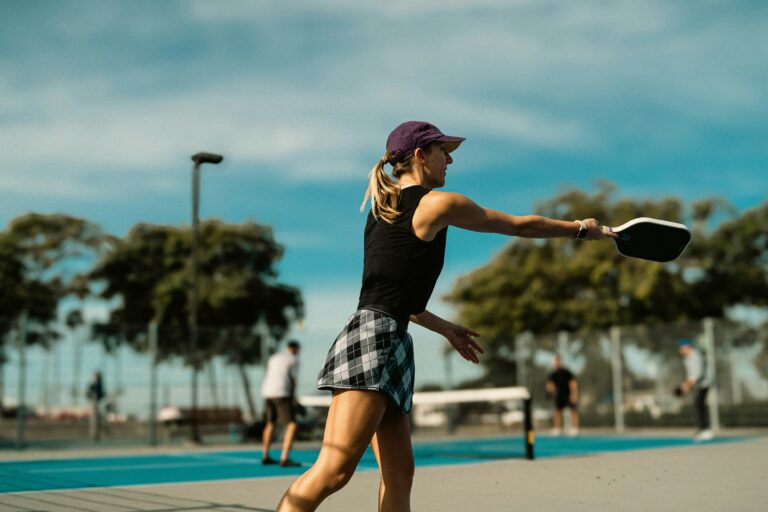
Tanner’s third-shot guide keys off return depth. On a deep return, drive the first ball to create an easier next ball to drop.
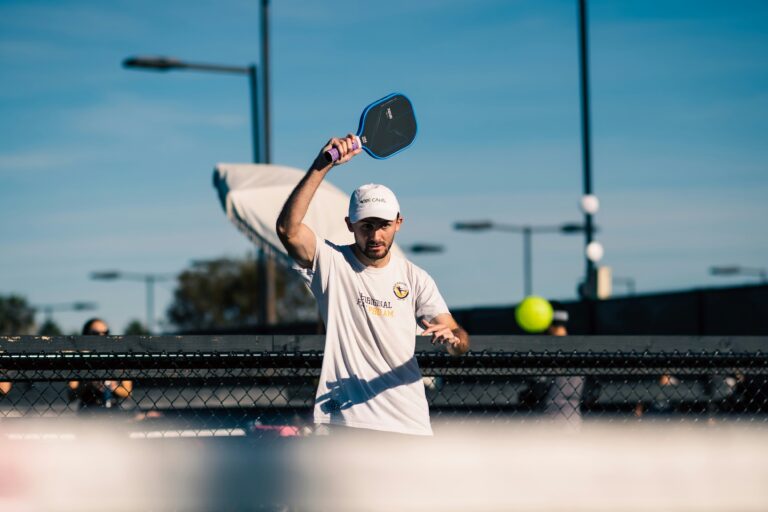
Aylex on spin vs no-spin drops: adding spin means brushing faster for more RPM, which raises timing risk. A drop is usually a defensive shot — you are already stressed, so layering a brush is a bad trade.
Parth Mody maps the third shot to where you are and how high the ball is. Behind the baseline, hit a defensive drive and look to drop the next one.
The Prince of Pickleball flags three common two-handed back-drop mistakes. First, players overuse the arm to steer the ball — shift body weight instead so pace and direction come from the load, not a wristy steer.
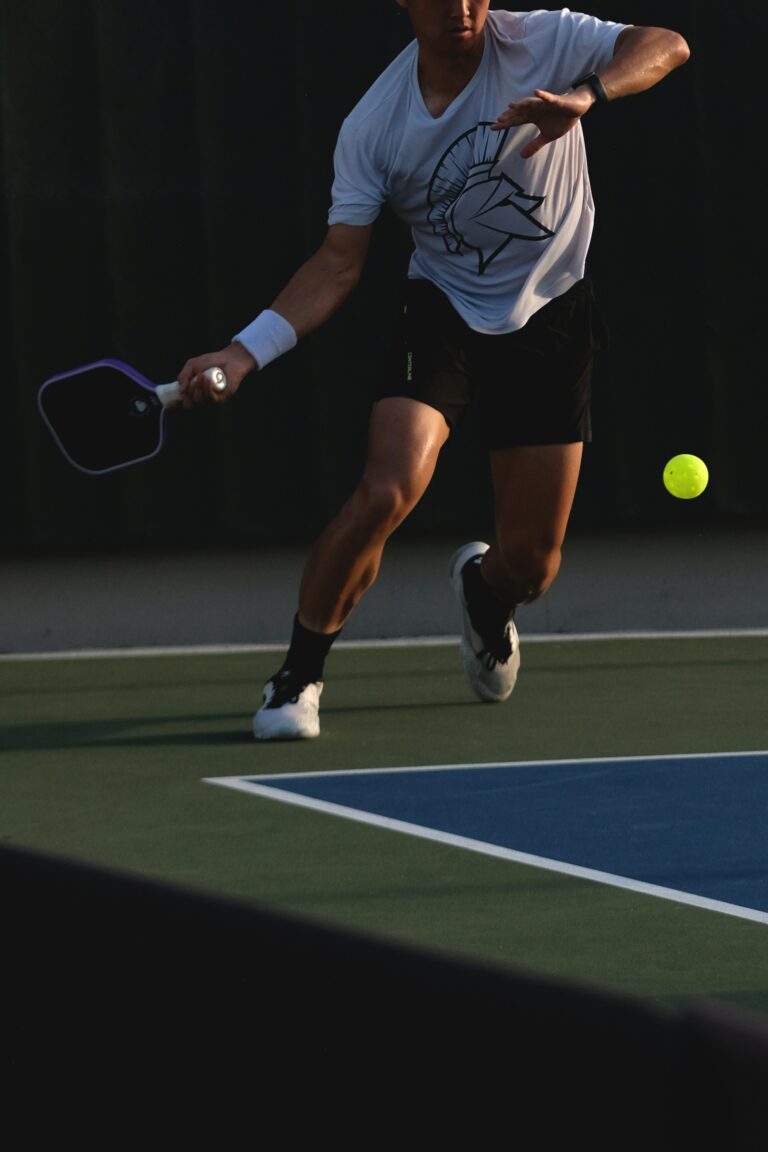
Connor Garnett skips pure technique and focuses on when to hit each third shot so you actually get to the kitchen.
tanner.pickleball boils shot selection down to three rules: drop balls below your waist, roll when you have time, and attack balls above your waist.