Take the Third Shot Early: Zero Backswing, Arm Leads Body
Zack Marceau (on Richard’s channel) shows why taking the third shot early creates instant transition pressure instead of letting opponents set at the net for free.
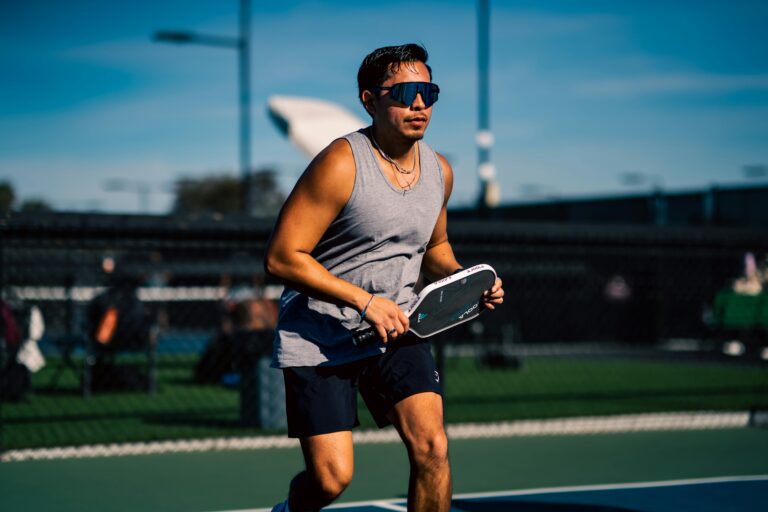
Zack Marceau (on Richard’s channel) shows why taking the third shot early creates instant transition pressure instead of letting opponents set at the net for free.
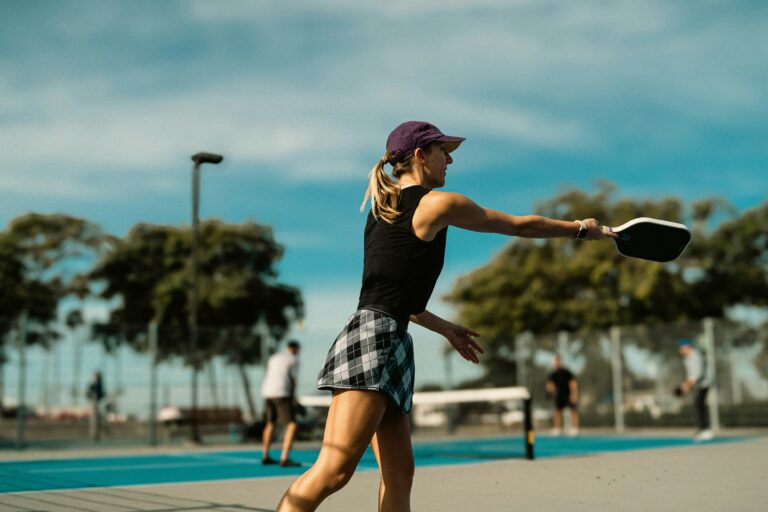
John Cincola on the classic trap: huge serve, short return, all the momentum — and you rip a drive that goes long, nets, or gets volleyed at your feet.
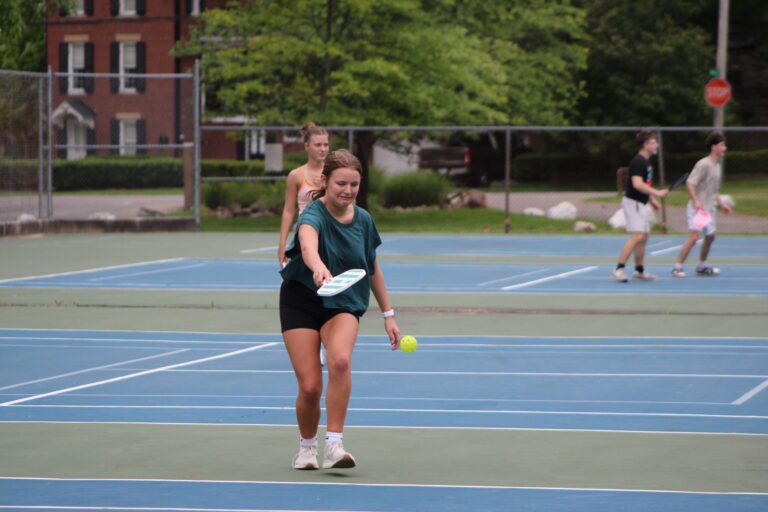
Ty Butson’s drive-to-drop pattern keeps a strong drive as a weapon without giving free air volleys forever.
Jordan Briones breaks down a 3.5 men’s doubles rec game aimed at players stuck in the 3.0–3.5 band.
Elite Pickleball Coaching keeps third-shot choice simple: match the shot to where the ball is. When it’s short in the court, hit a slice drop.
EdJu was taught third-shot drops like tossing a ball into the kitchen — but in games opponents just let it bounce and attack anyway. He switched to drips: a drive-drop hybrid aimed just a few inches above the net.
Richard Pickleball’s fix for topspin thirds that flatten into the net is grip pressure. A tight grip pops the ball off the face early; loosening lets the ball stay on the paddle longer, grab spin, and carry a little arc.
Tanner’s third-shot guide keys off return depth. On a deep return, drive the first ball to create an easier next ball to drop.
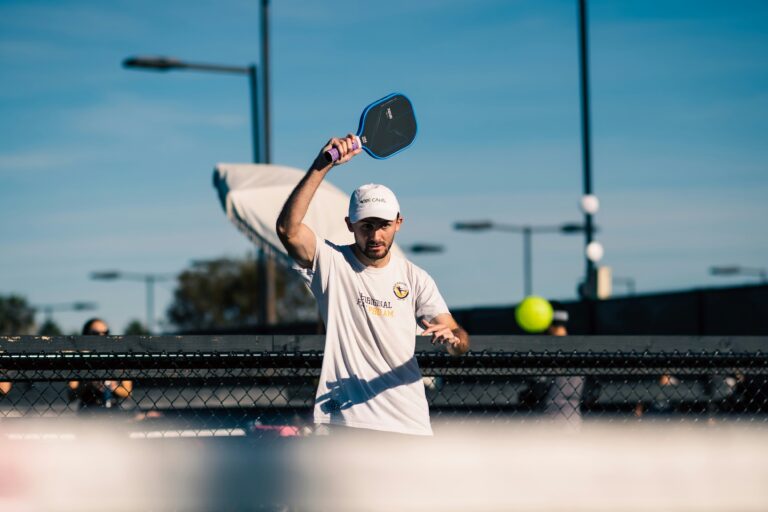
Richard Pickleball on passive thirds: if opponents contact your drop between net height and knee height, follow it in so they concede the net instead of rolling at your feet.
Parth Mody maps the third shot to where you are and how high the ball is. Behind the baseline, hit a defensive drive and look to drop the next one.