Transition Volley Ladder: FH, BH, Then Alternating
Ed Ju’s transition drill starts four steps off the kitchen. Hit 20 forehand volleys with a full follow-through and consistent sweet-spot contact, then switch to 20 backhands.

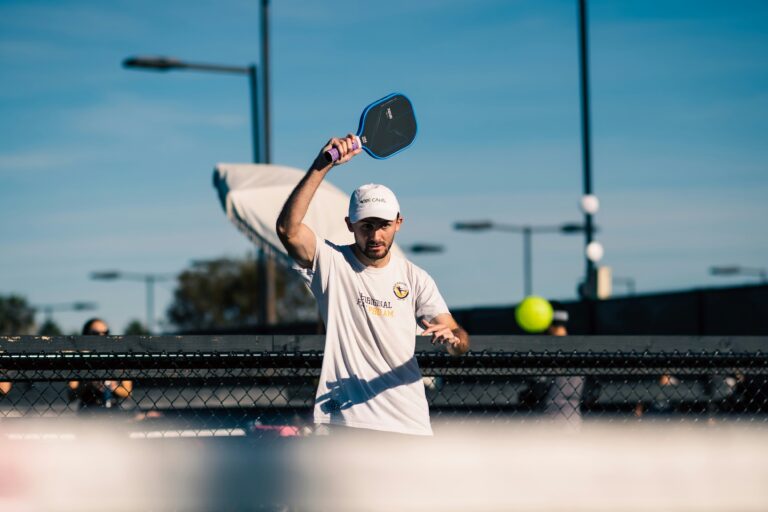
Ed Ju’s transition drill starts four steps off the kitchen. Hit 20 forehand volleys with a full follow-through and consistent sweet-spot contact, then switch to 20 backhands.
Richard Pickleball on passive thirds: if opponents contact your drop between net height and knee height, follow it in so they concede the net instead of rolling at your feet.
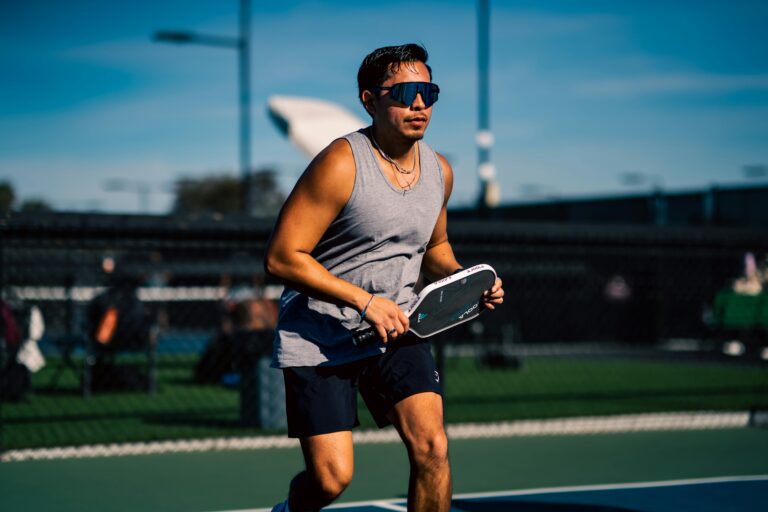
In an Aylex Academy challenge clip, the underdog adjusts strategy against a pro who closes too fast for soft drops. Plan: aim more center and deep, skip the drop they will crash, and look cross-court when the lane is there.
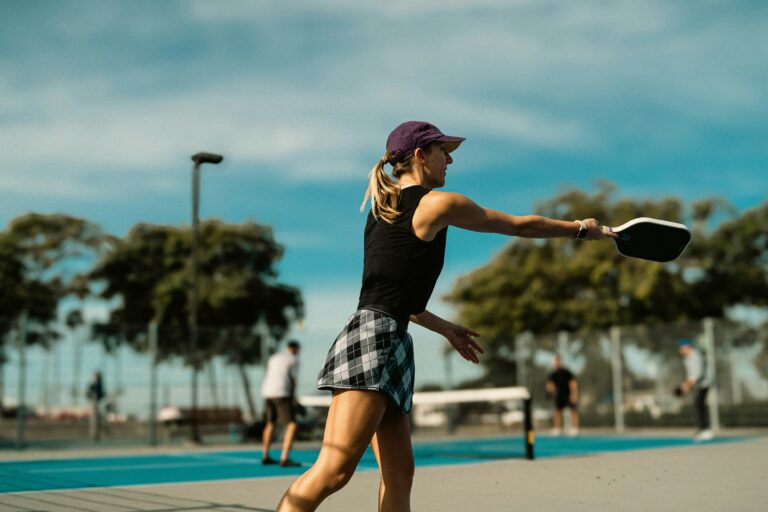
Aylex Pickleball Academy makes the case for rushing the net. The plan: hit an okay-in return (a bunt, not a hero ball) and bum-rush forward.
Universal Rackets wants one simple drill from the transition line: after contact, freeze the paddle. You can run it on drops or dinks.
Kyle Koszuta pushes back on the myth that you must reach the kitchen line as fast as possible after every drop. Blind sprinting gets you and your partner hit and frustrated.
Parth Mody’s rule for reaching the kitchen: pressure creates margin. A drop that is only slightly high or that the opponent takes out of the air is not automatic permission to freeze and reset forever.

Richard Pickleball uses a pro point to show what to watch when high-level players compete: how they transition. A good transition game is what gets a team to the kitchen.

Universal Rackets says many players mentally quit the point after a pop-up. A red-light ball, one that comes up too high, doesn’t end the rally; it just means you stay where you are.
Coach Jess of Athena Pickleball boils improvement down to five concepts that pay off at every level.