Five Progressive Drop Drills for Tournament Consistency
Austin Hardy (Pickleball Playbook) says drops fail under tournament pressure because players don’t train them with enough reps.


Austin Hardy (Pickleball Playbook) says drops fail under tournament pressure because players don’t train them with enough reps.
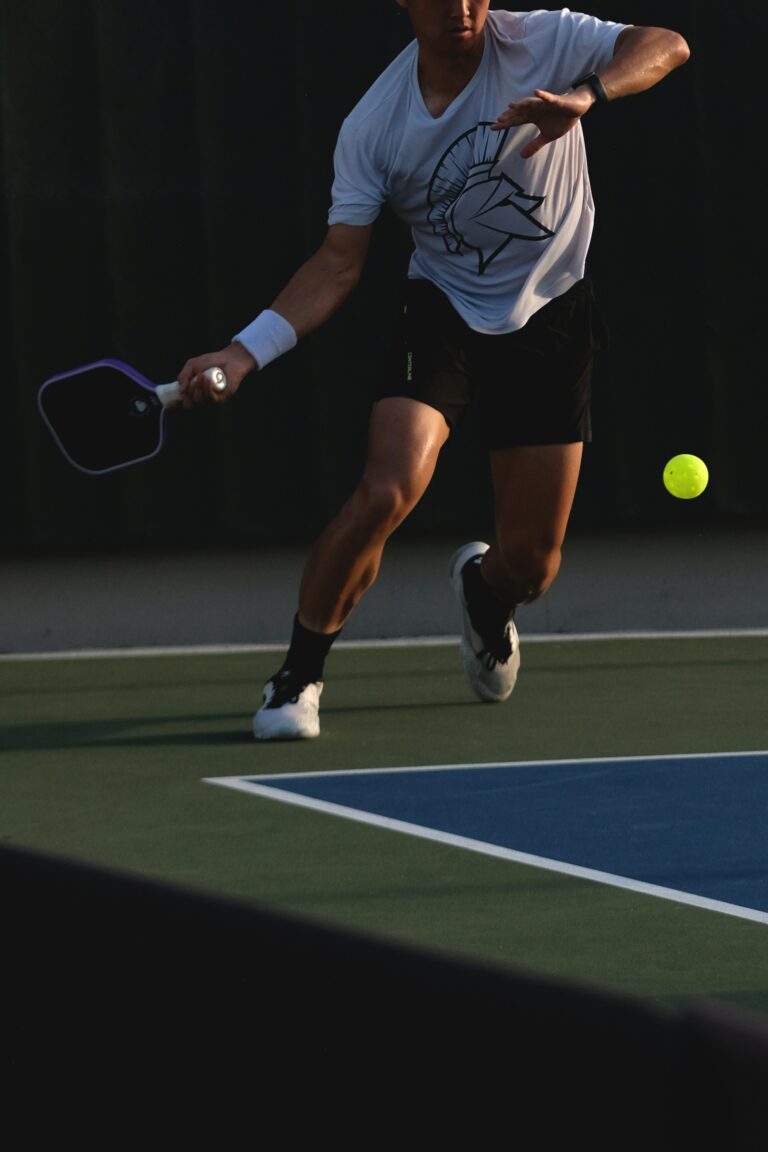
Shea Underwood used to aim drops at the far sideline until watching Ben Johns. Pros aim about three-quarters of the way between middle and sideline — fewer wides and fewer well-timed Ernies.
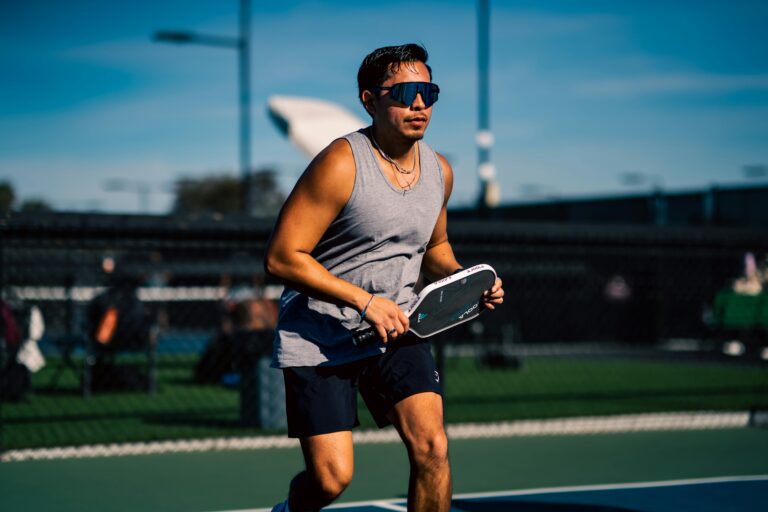
Anna Leigh Waters starts third-shot drops with footwork: after you or your partner serves, split-step and move — don’t stand stuck waiting. Prefer hitting to the person still coming in (not yet established) for more margin.

John Cincola wants more aggression on the fourth so you stop gifting easy points. Progression: first look to take the ball out of the air when opponents are back dropping or driving — that steals the most time.
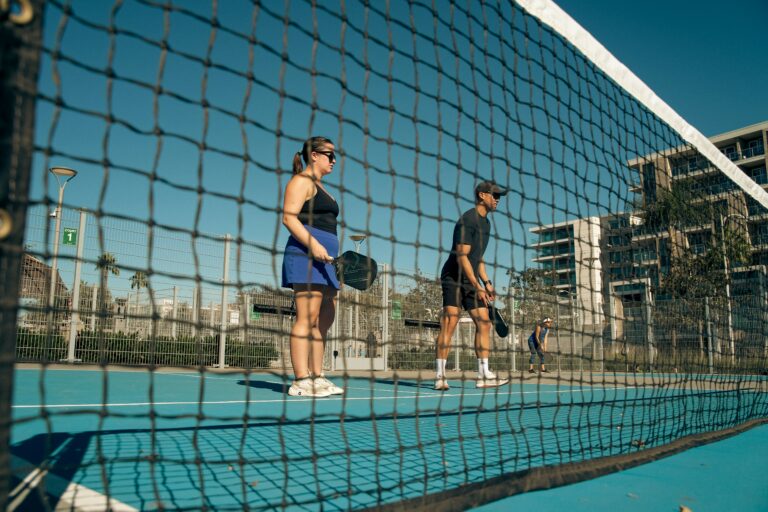
Parth Mody maps four dink types to jobs. Short-hop helps you hold kitchen position and stay ready to take balls out of the air.
Aylex Academy explains why cross-court dinks are safer than straight ahead. The net is lower in the center (34 inches) than at the sidelines (36 inches), so the cross-court path clears easier.
Jordan Briones teaches a kitchen framework: dinks set up attackable balls — keep them low and move opponents before speeding into strong counters.
Tanner shares a pro deception pattern: when you get a dead ball you could attack, pause behind it, watch where the opponent sits to cover, and dink it back instead.
Universal Rackets on speed-up targets: aim at the center of the person so even a miss still finds the dominant hip, dominant shoulder, or a jammed zone. That margin beats trying to paint a tiny line.
Aylex Academy flags why rallies die early: players speed up for no reason instead of building a consistent exchange. The prettier win is placement that forces an error — winning by the setup, not the blast winner.