Inside a Pro Pickleball Training Session (Badminton Pro Edition)
A badminton pro who keeps hearing that pickleball is easy goes through a real training session with Coach Brandon.

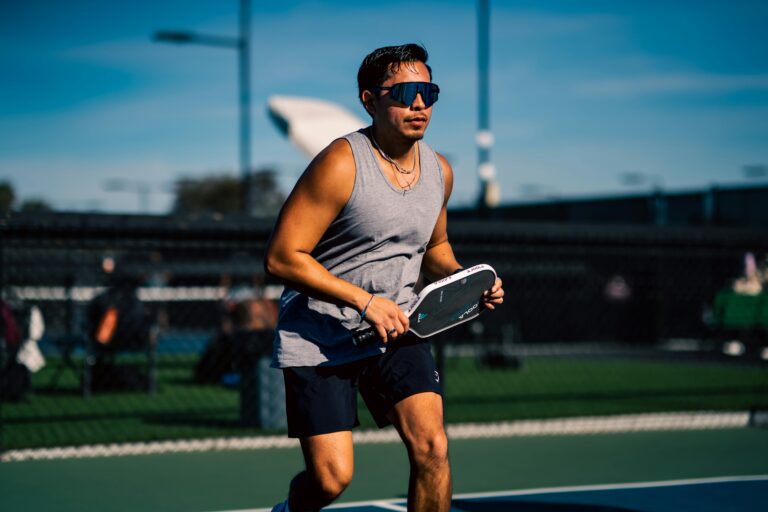
A badminton pro who keeps hearing that pickleball is easy goes through a real training session with Coach Brandon.
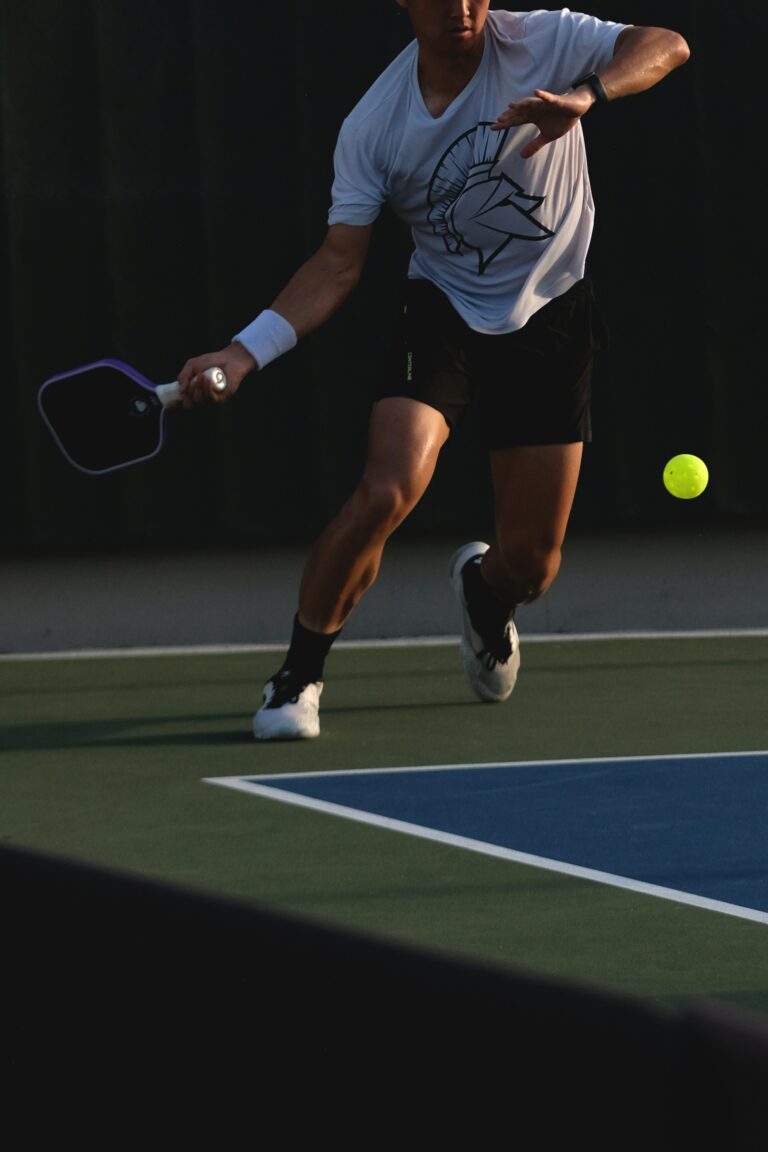
Emma Cook’s tip for the backhand counter is all about economy: keep the swing very short and compact.
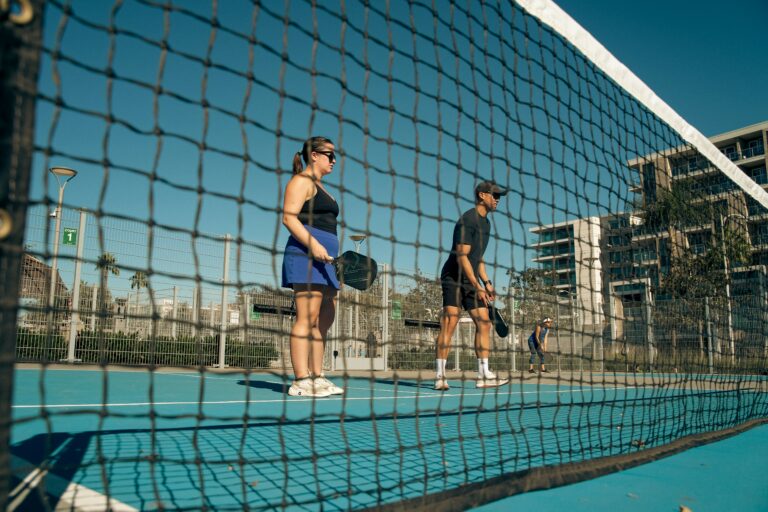
Pickleball Kitchen looks at a point where he got a paddle on an overhead that was ultimately out, and admits it was mostly luck.

Tanner lists three mistakes that keep players stuck at the 4.0 level. First, driving two balls in a row: if you drive the first one, drop the next one.
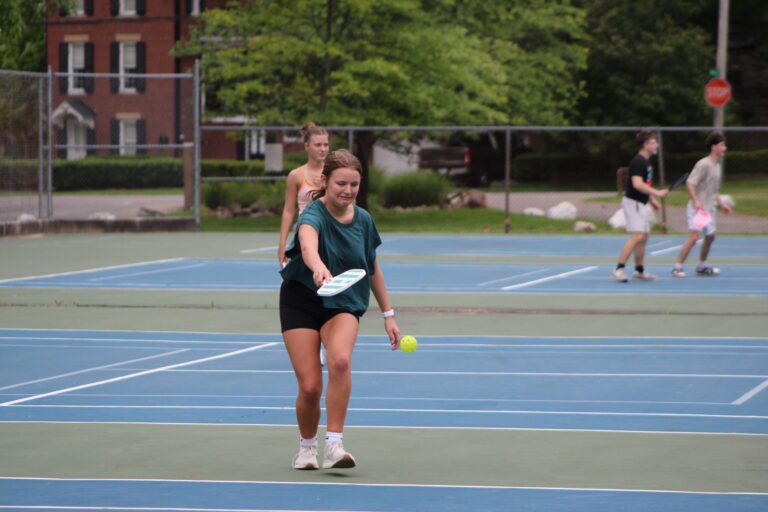
Universal Rackets shows why so many speed-ups go wrong: the ideal contact point for a speed-up is out in front, but when the ball is close to your body you try to force it anyway and it fails every time.
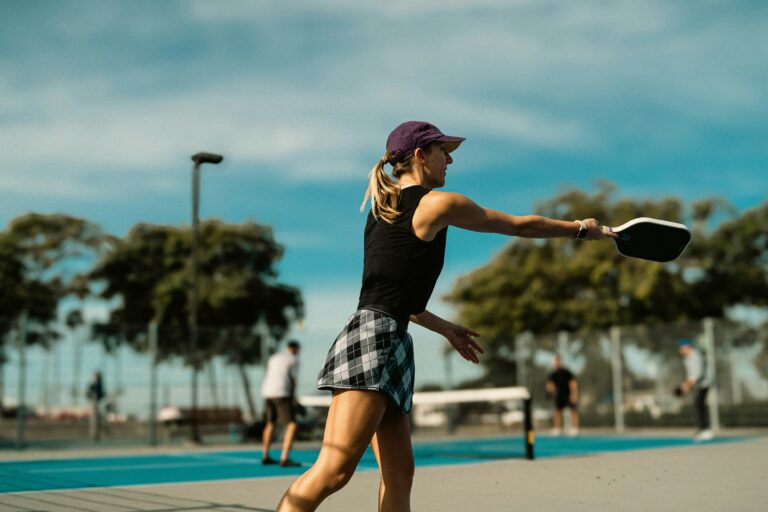
Universal Rackets explains the difference between a ball you can attack and one you can only neutralize.

Preston’s Playbook tackles a familiar problem: you’re in control at the kitchen line with chance after chance to finish, but you keep hitting attack volleys straight at your opponent, who resets and gets back in the point.
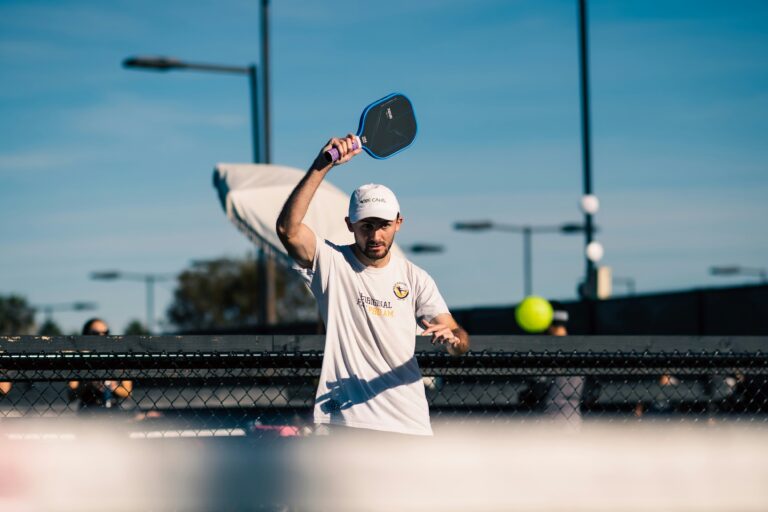
Universal Rackets breaks down why so many returns float: the ball drifts up slow and high, the server steps in and attacks it, and you’re on defense before the point starts. He traces it to three causes.
Preston’s Playbook shows where serve power really comes from: rotating your hips and shoulders.
Marshall Brown explains a lesson he learned against better teams: it’s easy to fall into their slow game and hesitate to speed up because you expect to get countered.