
How to Stop Floating Your Returns — Complete Fix
Summary
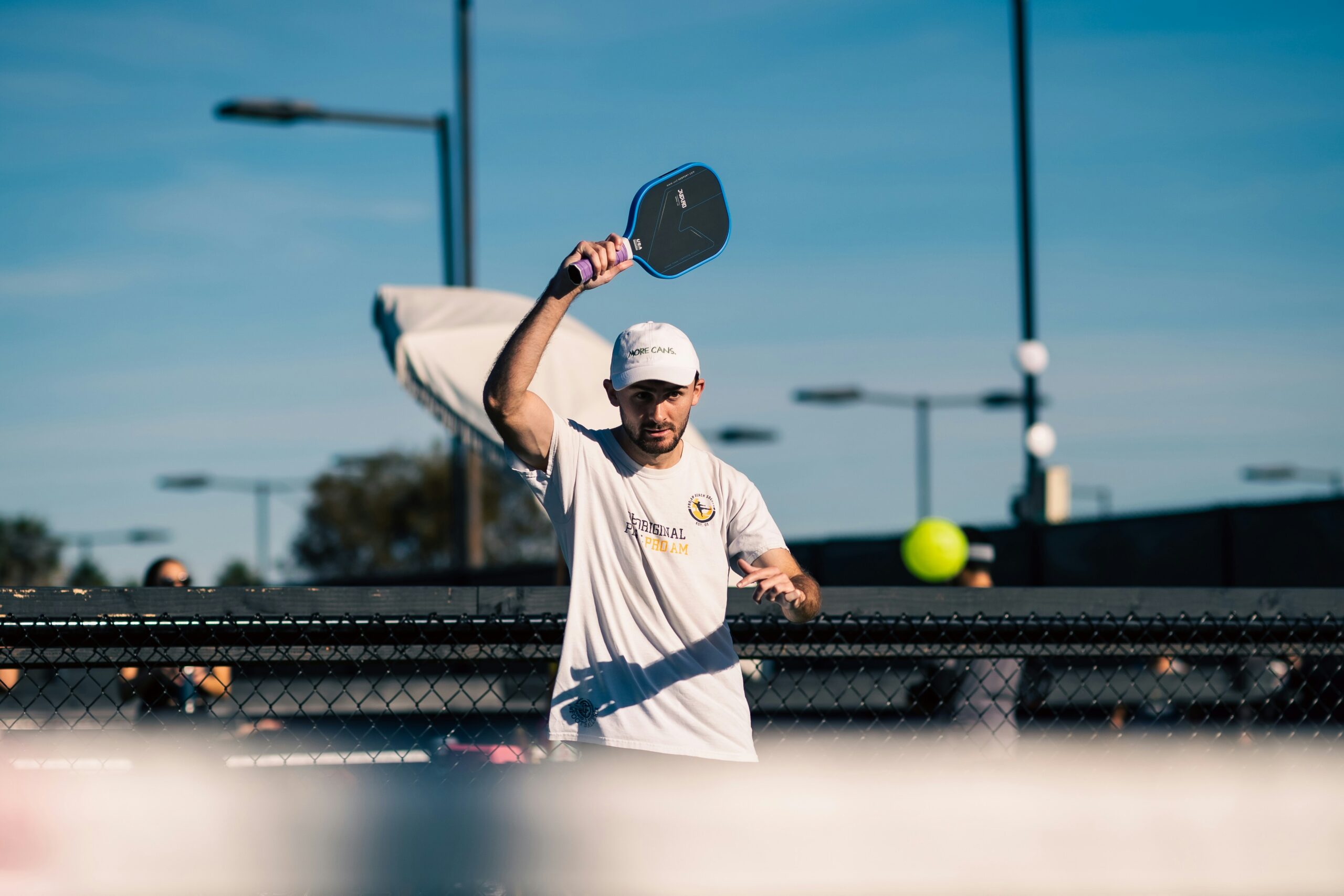
Universal Rackets breaks down why so many returns float: the ball drifts up slow and high, the server steps in and attacks it, and you’re on defense before the point starts. He traces it to three causes. The paddle face is open at contact, so you have to slow the ball down to keep it in. Players chop down under the ball with a wristy swing. And there’s no forward drive, just a tap to get the ball over.
The fixes mirror the mistakes. Keep the paddle face close to neutral or slightly closed and swing forward, with the cue of driving the return to the back fence rather than lifting it over the net. Tilting the face down also adds a touch of topspin, which brings a firm return down into the court so it stays low and deep. Finally, step in and keep your momentum going forward instead of falling back off the shot, which also starts your run to the kitchen. His overall rule: if you’re missing long, ease off; if you’re making them, start going for more.
Key takeaways
- An open paddle face is the main cause of a floating return
- Swing forward toward the back fence, not up toward the sky
- A slight topspin brush keeps a firm return low and deep
- Move your weight forward through the return and keep going toward the kitchen
- Adjust as you go: ease off when missing long, go for more when you’re making them
Action items
- Film your returns and check whether the paddle face is open at contact
- Put a cone or two just inside the baseline and finish every return past them
- Hit 20 returns focusing only on a neutral or slightly closed face and a light brush