Return and Run: Move Through Contact, Don’t Hit-Then-Sprint
Troy Akin says most players hit the return, stop, then run — and get burned on the third. Flip it: start the run while you’re returning so contact and forward momentum are the same motion.

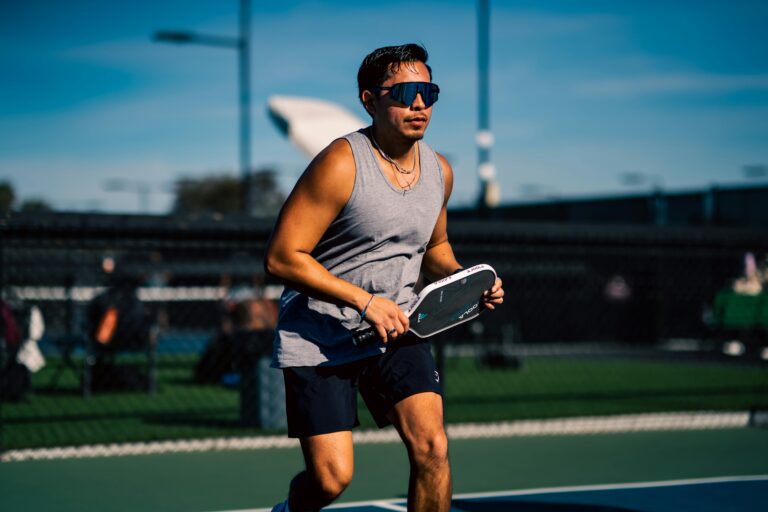
Troy Akin says most players hit the return, stop, then run — and get burned on the third. Flip it: start the run while you’re returning so contact and forward momentum are the same motion.
John Cincola pins weak returns on starting too close to the baseline. Pros stand farther back because the worst first move on a return is stepping backward.

Troy Akin pushes back on the default “let’s just rally down the middle to get warm.” He’s always more warmed up after sideline-to-sideline rallies that force real lateral movement.

Tanner Pickleball compresses aggressive forehand dink mistakes into under a minute. First: cement feet — standing still and arming it.
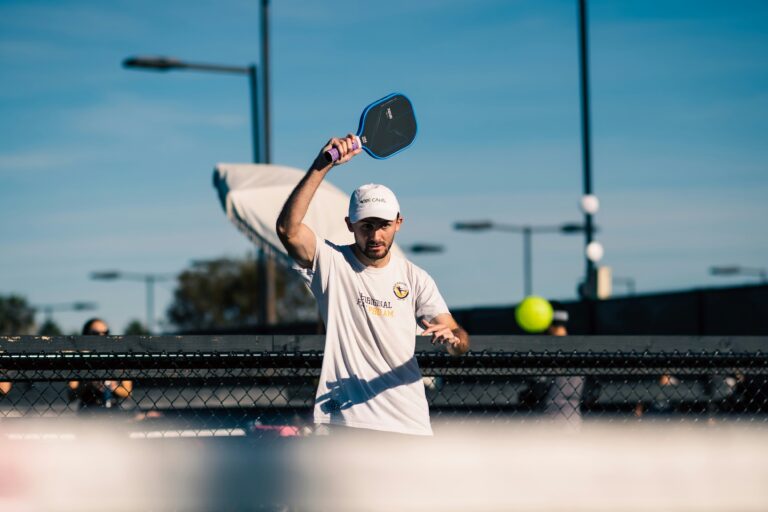
Troy Akin’s point: late in game 3 it’s often your legs, not your strokes, that fall apart. Three stealable drills for the week.
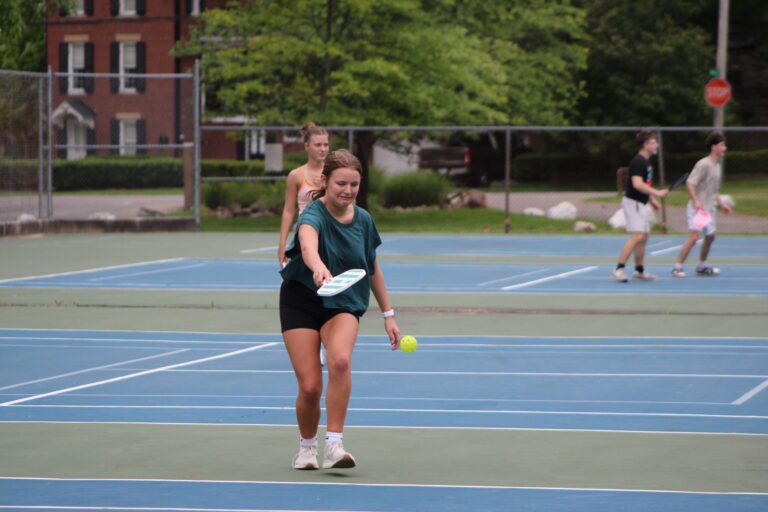
Backpaddle films a full rebuild of his forehand drive with Coach Naveen (top-10 A pro, tennis background).
John Cincola’s Titan singles passing drill puts the machine at center baseline and you in midcourt opposite. Feeds come six at a time, alternating backhand and forehand, with a short break between sets.
Coach Matthew Haley (Selkirk TV) closes a positioning series with the magnet mindset. After you get stretched wide, recover to a small magnet near your home spot — don’t camp where the last ball took you.
Tanner’s disguise cue for the backhand flick: amateurs stay planted in their box on an attackable dink, which makes a true down-the-line flick almost impossible — you’re stuck going through the middle.
Ed Ju’s transition drill starts four steps off the kitchen. Hit 20 forehand volleys with a full follow-through and consistent sweet-spot contact, then switch to 20 backhands.