Skip to content
The Drop Drive
  • Home
  • Footwork
  • Kitchen
  • Drives
  • Affiliate Disclosure
The Drop Drive

Kitchen

Home / Kitchen - Page 12
Close-up of a player scooping a low dink just over the net, paddle face open near the court surface

BH Flick: Under the Equator, Low-to-High — Not Linear

ByChief October 17, 2026

The Prince of Pickleball says backhand flicks die in the net because the swing path is too linear. Fix: when the ball is low, get the paddle beneath the ball’s equator and come up through contact.
Read More BH Flick: Under the Equator, Low-to-High — Not LinearContinue

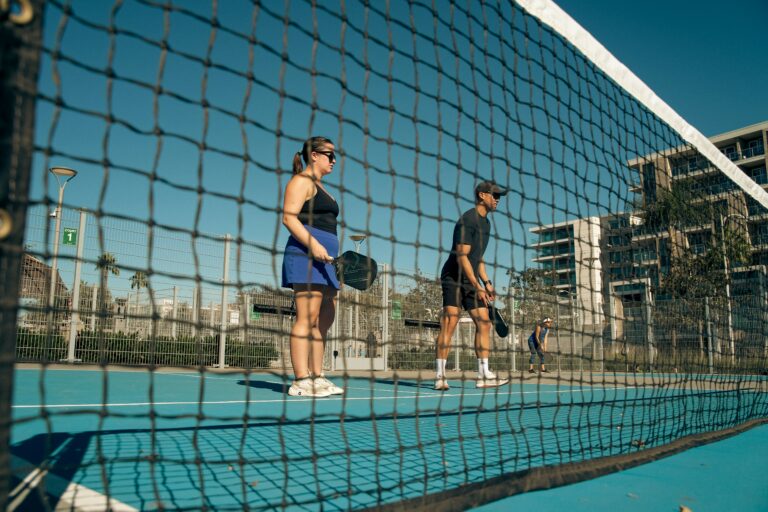
Two doubles partners waiting at the kitchen line, seen low through the net

Mari Humberg Flicks: Grip, Wrist Snap vs Roll, Tip Barometer

ByChief October 17, 2026

World #21 Mari Humberg teaches Connor Garnett the one-handed backhand flick. Kitchen grip sits between Eastern and Continental; she often switches with the off hand.

Read More Mari Humberg Flicks: Grip, Wrist Snap vs Roll, Tip BarometerContinue

Close-up of a player scooping a low dink just over the net, paddle face open near the court surface

Fourth Shot: Air → Step-Back Bounce → Then Concede

ByChief October 17, 2026

John Cincola wants more aggression on the fourth so you stop gifting easy points. Progression: first look to take the ball out of the air when opponents are back dropping or driving — that steals the most time.

Read More Fourth Shot: Air → Step-Back Bounce → Then ConcedeContinue

Two doubles partners waiting at the kitchen line, seen low through the net

Dink Menu: Short-Hop, Volley, Topspin, Slice

ByChief October 17, 2026

Parth Mody maps four dink types to jobs. Short-hop helps you hold kitchen position and stay ready to take balls out of the air.

Read More Dink Menu: Short-Hop, Volley, Topspin, SliceContinue

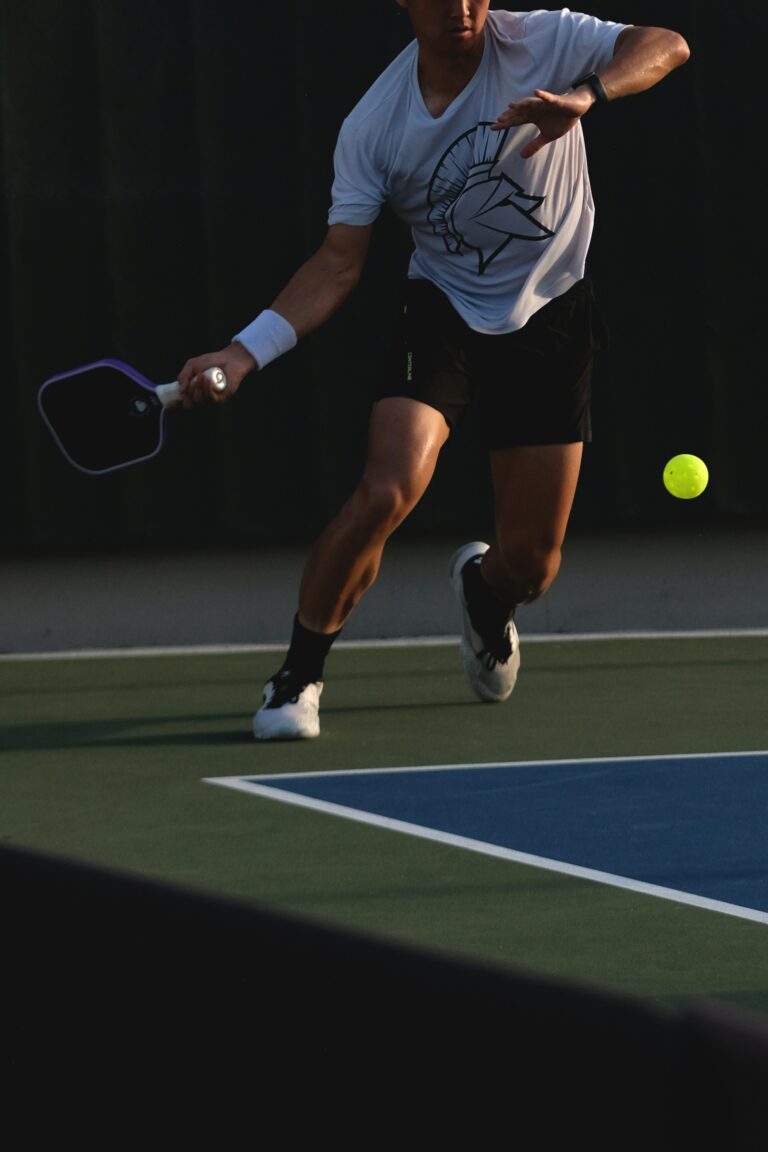
Player lunging forward to reach a low ball near the kitchen line, lit against a dark background

Cross-Court Dinks: Lower Net + More Real Estate

ByChief October 17, 2026

Aylex Academy explains why cross-court dinks are safer than straight ahead. The net is lower in the center (34 inches) than at the sidelines (36 inches), so the cross-court path clears easier.

Read More Cross-Court Dinks: Lower Net + More Real EstateContinue

Close-up of a player scooping a low dink just over the net, paddle face open near the court surface

Kitchen Control: Three Spaces, Tier List, Ones & Twos

ByChief October 17, 2026

Jordan Briones teaches a kitchen framework: dinks set up attackable balls — keep them low and move opponents before speeding into strong counters.

Read More Kitchen Control: Three Spaces, Tier List, Ones & TwosContinue

Two doubles partners waiting at the kitchen line, seen low through the net

Aim Speed-Ups at Center / Paddle-Side Hip

ByChief October 17, 2026

Universal Rackets on speed-up targets: aim at the center of the person so even a miss still finds the dominant hip, dominant shoulder, or a jammed zone. That margin beats trying to paint a tiny line.

Read More Aim Speed-Ups at Center / Paddle-Side HipContinue

Player lunging forward to reach a low ball near the kitchen line, lit against a dark background

Attack Deception: Pause, Read Cover, Then Speed the Open Side

ByChief October 17, 2026

Tanner shares a pro deception pattern: when you get a dead ball you could attack, pause behind it, watch where the opponent sits to cover, and dink it back instead.

Read More Attack Deception: Pause, Read Cover, Then Speed the Open SideContinue

Close-up of a player scooping a low dink just over the net, paddle face open near the court surface

Don’t Speed Up Too Early — Win With the Setup

ByChief October 17, 2026

Aylex Academy flags why rallies die early: players speed up for no reason instead of building a consistent exchange. The prettier win is placement that forces an error — winning by the setup, not the blast winner.

Read More Don’t Speed Up Too Early — Win With the SetupContinue

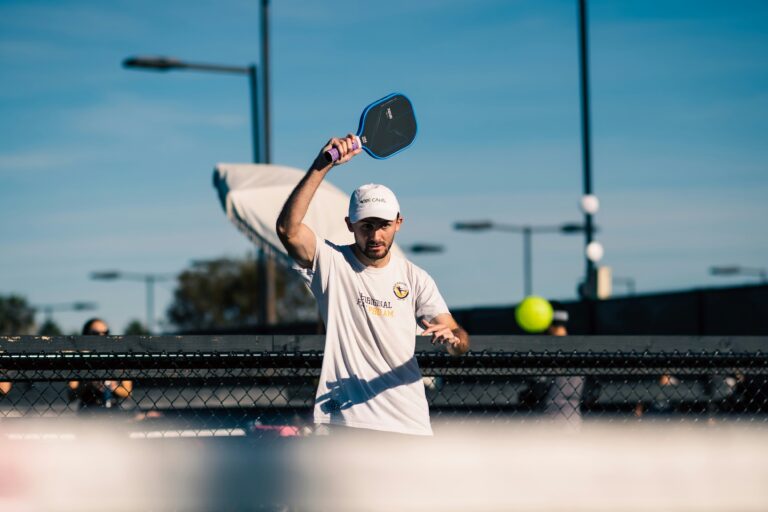
Player in a white cap raising his paddle high to hit an overhead near the net

Dead-Ball Speed-Ups: Step Back and Create Space

ByChief October 17, 2026

Richard Pickleball says the biggest dead-ball mistake is standing still once the ball dies — you jam yourself and waste the attack. Recognize the dead ball, take a step back, and get set early.

Read More Dead-Ball Speed-Ups: Step Back and Create SpaceContinue

Page navigation

Previous PagePrevious 1 … 10 11 12 13 14 … 34 Next PageNext

Recent Posts

  • Third-Shot Drop: Skip Down-the-Line — Drop Between Their Feet
  • After a Wide Dink: Recover Middle or Get Speeds Through the Gap
  • Pro Dink Drill Session: Slice-to-Slice, Roll-vs-Slice, Reach, Recover
  • Vs Aggressive Topspin Dinks: Don’t Force Topspin Back — Neutralize First
  • Serve on the Kitchen Line Is Out — Same Line Is In on Every Other Shot

Recent Comments

  1. David Finlay (Kings Court) on Vs Slice at the Kitchen: Take It Out of the Air — Don’t Panic-Back Up
  2. 5 Pickleball Tips That Changed My Game (After 5 Years) - The Drop Drive on Train Your Third Shots
  3. Stop Rushing to the Kitchen Line! #pickleball #pickleballtips - The Drop Drive on How To Move Up To The Kitchen THE RIGHT WAY
  4. Backhand Roll Levels #pickleball - The Drop Drive on Private Lesson with Coach Ryan: Backhand Roll Volley part 1
  5. Never Miss a Slice Drop Again! - The Drop Drive on Stop Chopping Your 3rd Shot Drop! Do this instead

© 2026 The Drop Drive - WordPress Theme by Googly WP
Get the 5 best pickleball tips every week. Subscribe free.
Some links on this site are affiliate links, so we may earn a commission at no cost to you. Read our Affiliate Disclosure.

Scroll to top
  • Home
  • Footwork
  • Kitchen
  • Drives
  • Affiliate Disclosure
Search