Shifting at the Kitchen in Pickleball with Collin Johns
Collin Johns explains something unique to pickleball: at the kitchen line, less movement can be more effective.

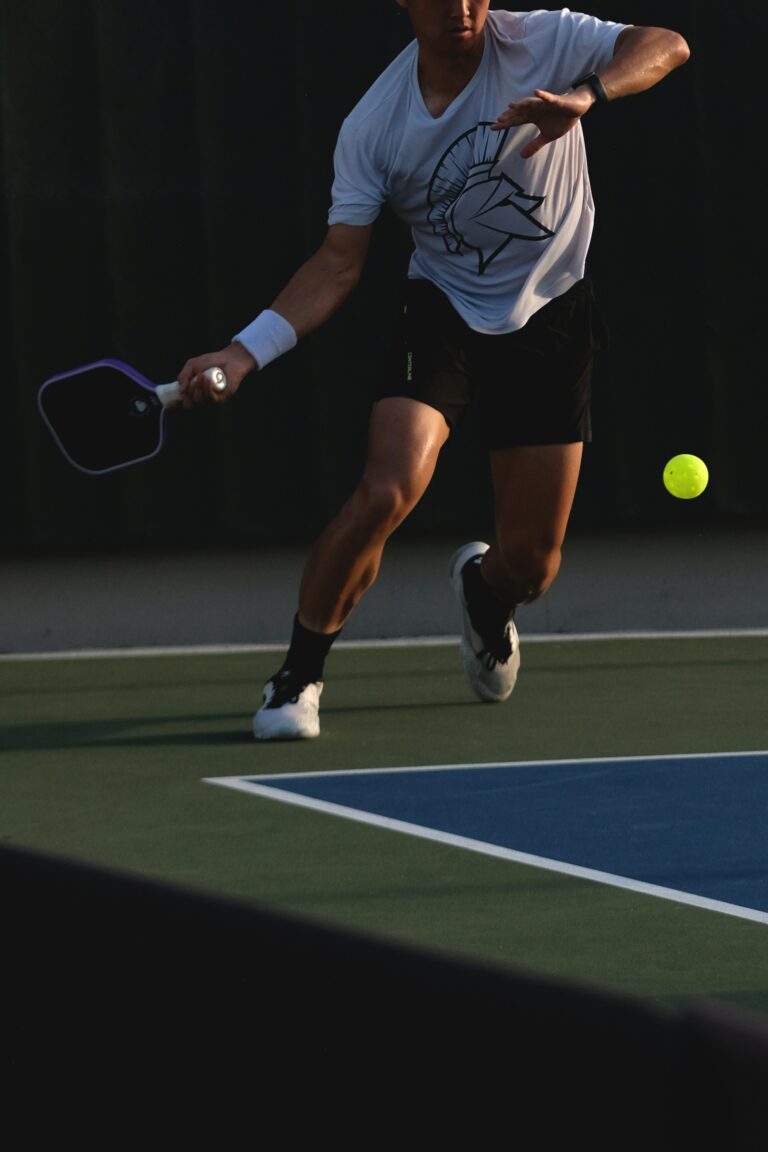
Collin Johns explains something unique to pickleball: at the kitchen line, less movement can be more effective.
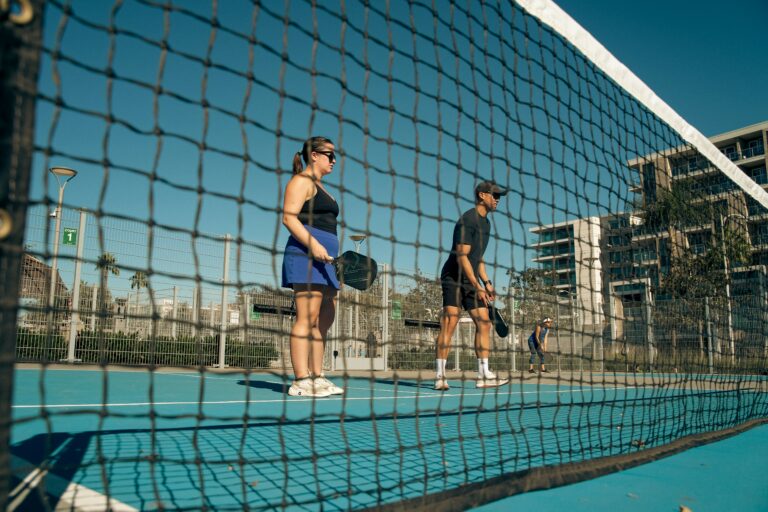
Cam Luhring explains what changed in his match against MLP champion Will Howells and PPA pro Pablo Tellez: after losing game one, the pros started taking more balls out of the air and took over every kitchen-line rally.
Roscoe Bellamy argues that higher-level dinking isn’t just keeping the ball low and waiting for a mistake.

Jack Munro shows that you don’t always need to hit harder to create an opening: use angles, move your opponents and play the triangle.
Richard Pickleball explains where to aim a speed-up on a middle ball. Start by attacking the hip to test the waters and see whether they sit forehand or backhand.
Shea Underwood’s quick clip stacks three versions of the backhand roll on top of each other, labelled beginner, intermediate and pro, as two players trade balls across the net.
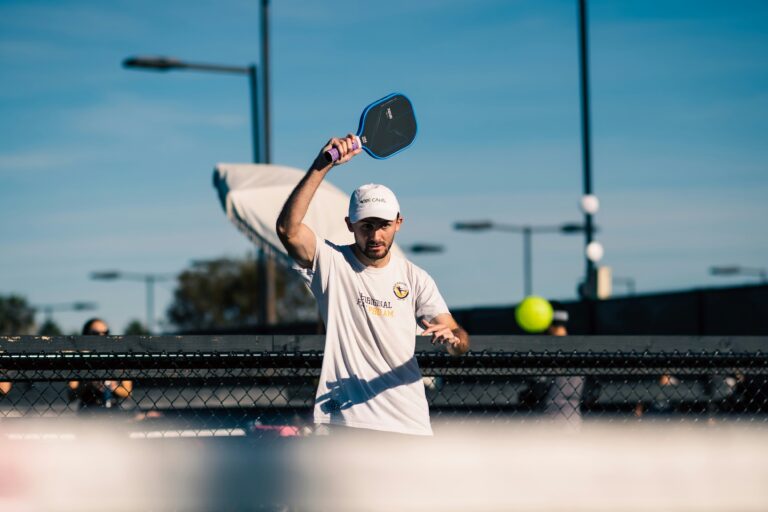
tanner.pickleball explains why you shouldn’t sprint from the baseline to the kitchen on one ball, and how to work your way in under control.
Universal Rackets says that if your dinks go into the net or pop up, the problem usually isn’t your paddle face or your body. It’s your swing speed.
Troy Akin explains why speed-ups from below the net keep coming back harder, and the simple height rule for when to dink and when to attack.
All Things Pickleball gives a simple cheat code for choosing your dink. The kind of dink you hit shouldn’t be random.