
5 Things Pro Pickleball Players Do When Dinking That You Don’t
Summary
Roscoe Bellamy argues that higher-level dinking isn’t just keeping the ball low and waiting for a mistake. It’s a chess match at the kitchen line where both players fight for position, create pressure, take away angles and wait for the right moment to attack.
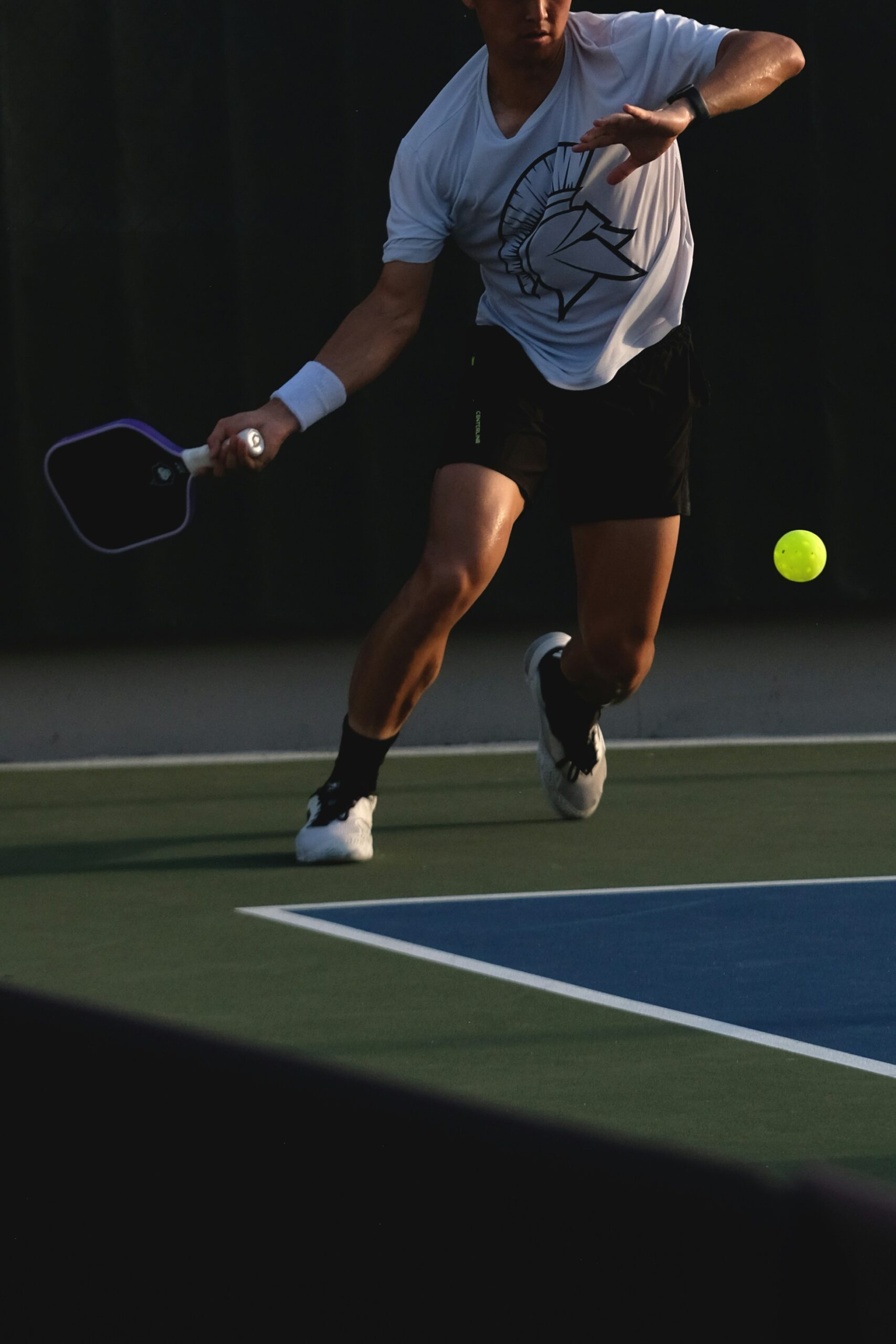
He breaks it into five habits: get in perfect position for every dink (outside leg behind the ball, then back to center), use a reset dink when you’re pushed off balance instead of matching your opponent’s pace, follow a good pressure dink to close the gap and squeeze their space, use the middle to cause confusion and take away angles before pushing them wide, and stay patient, because patience builds pressure over a long rally.
Key takeaways
- Footwork turns casual dinks into pressure dinks
- When you’re pushed, hit a dead reset dink to the middle with the paddle tip down
- After a good pressure dink, move to close the gap and hunt the high ball
- Dink to the middle first, then attack the wings
- Patience is not passive; it forces more mistakes
Action items
- In your next dink session, focus only on getting your outside leg behind every ball
- Practice answering pressure dinks with a soft reset to the middle
- After every good cross-court dink, take a step to close the gap and watch for a pop-up