Speed-Ups Aren’t Kill Shots: Flat Angle, 50–70%, Setup the Putaway
Aylex Pickleball with Coach Eugene Mak reframes the speed-up as a setup, not a winner.
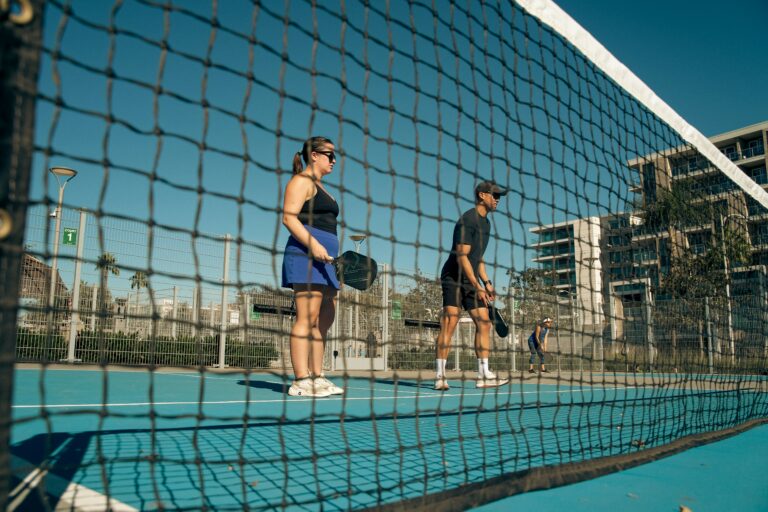
Aylex Pickleball with Coach Eugene Mak reframes the speed-up as a setup, not a winner.

tanner.pickleball flags a common kitchen error: forcing a cross-court dink while outstretched wide.
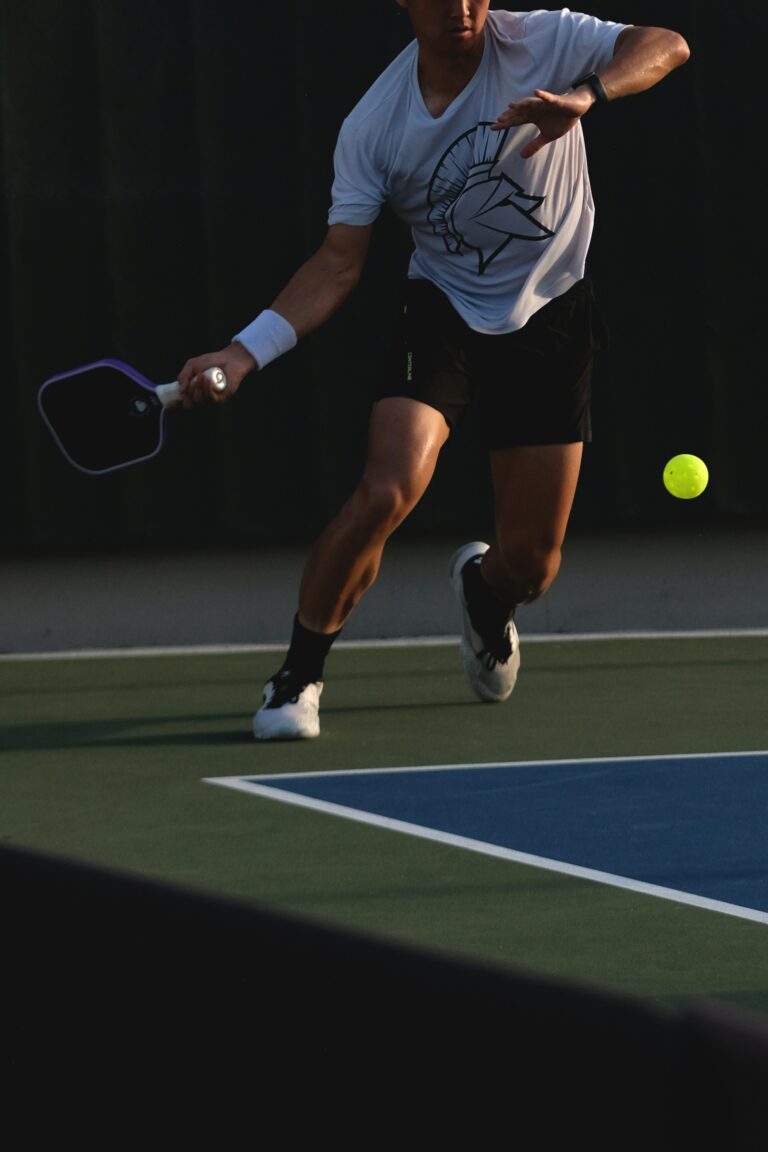
Ben Johns (Pickleball360) fixes the panic response to slice at the kitchen.
Briones Pickleball Breakdown (with Jack Munro examples) shows why depth into the kitchen matters on dinks.
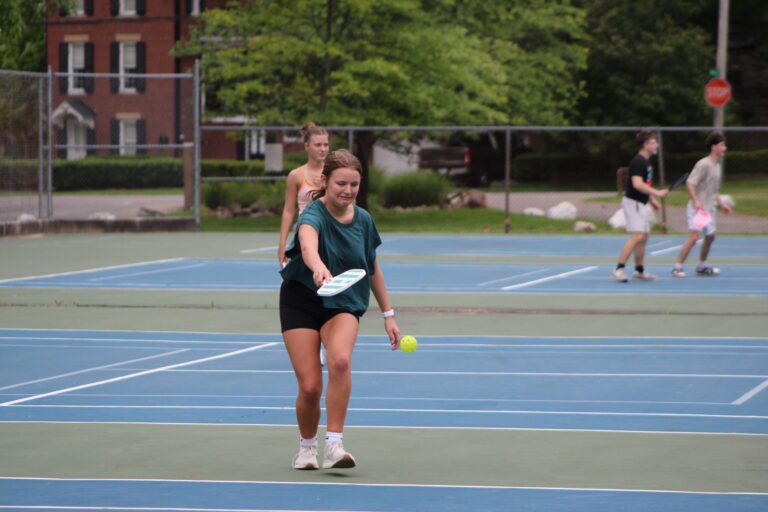
The Pickleball Daily guide argues the key kitchen skill isn’t the speed-up technique — it’s timing. Forcing offense from low balls loses.
Richard Pickleball’s three-step backhand roll: amateurs get on top of the ball and hit it too close, dumping into the net.
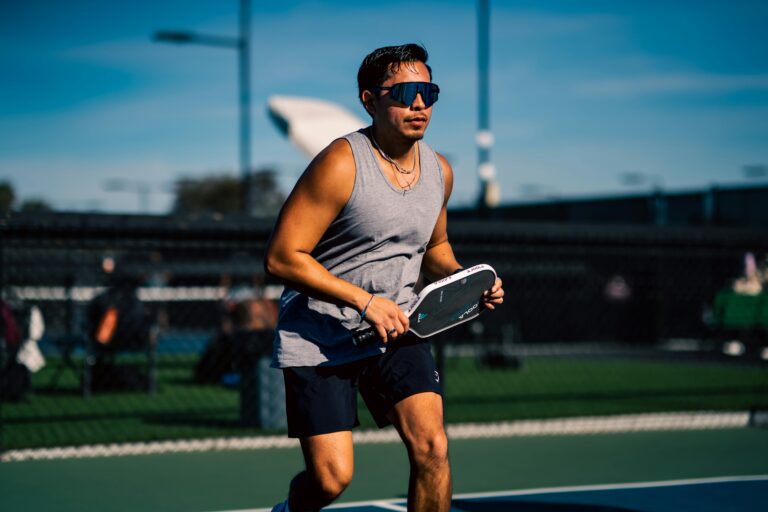
Shea Underwood’s laser-pointer theory: when the ball is on the opponent’s side, point the paddle face at it so you’re already tracking. A relaxed paddle at your hip forces a big late lift on high balls and causes pop-ups.

Ty Butson argues most “slow hands” are paddle-position problems. A tip hanging down forces an extra hinge-up before you can counter.
Evee Ngandwich (Ava Pickleball) separates defensive and aggressive dinks. Defensive: clear the net higher, land shallow, recover to balanced and leaning in — middle shallow is a great neutralizer.
Tanner’s three early lessons: court geometry (a middle ball can’t be sped up wide out — cover what’s actually available), transition (crab-walk up after the third instead of sprint-and-dive), and kitchen posture (step back for time on defense, lean in to shrink the court on offense).