
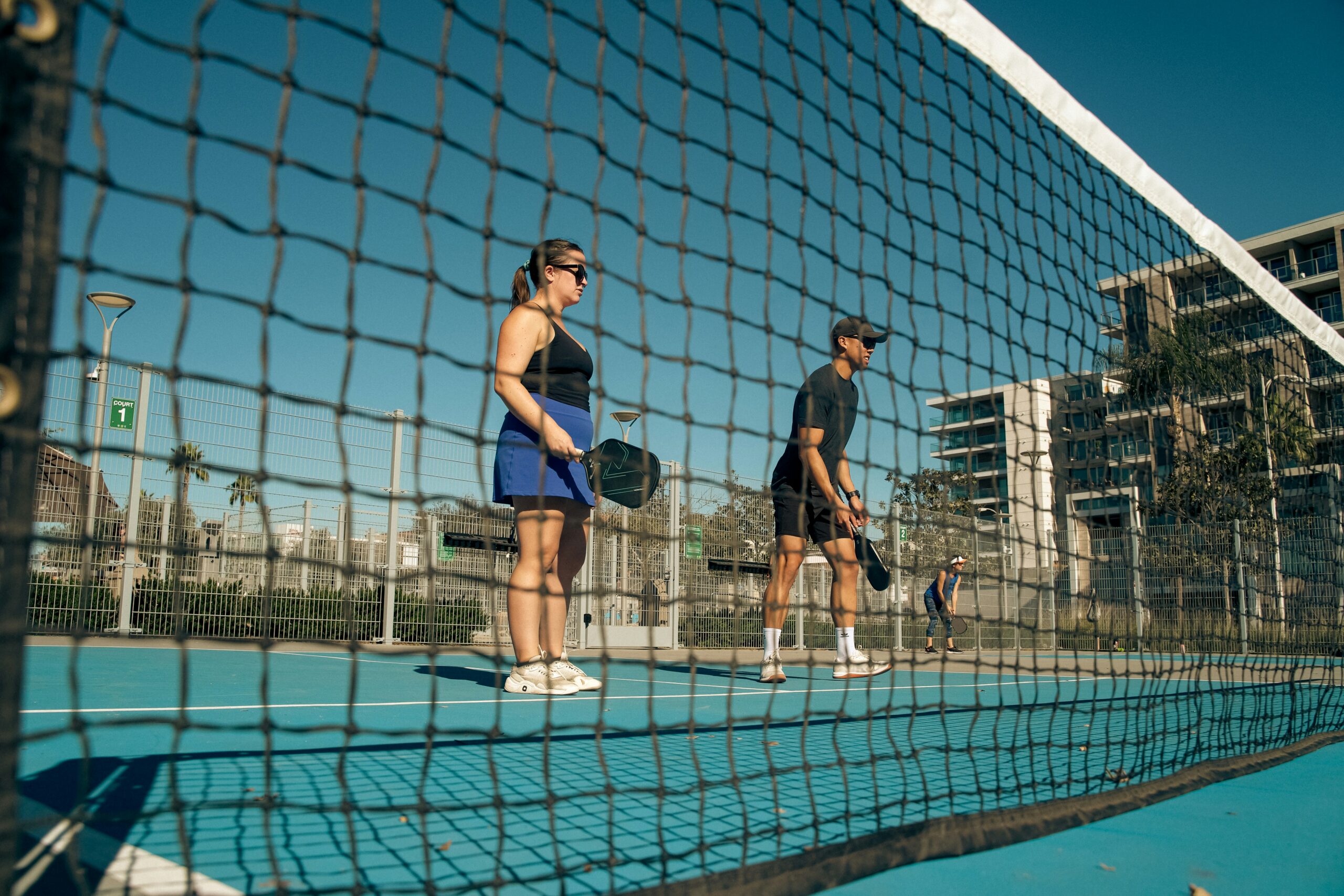
Point Breakdown: Outside Foot, Middle Neutralize, and Shade After the ATP
Summary
Ed Ju launches a shot-by-shot series by walking a full point. With a trustworthy partner drop from the left, he is free to crash and apply positional pressure; a floating fourth becomes a backhand flick, and the ensuing firefight shows why footwork wins dink rallies.
On the crosscourt exchange, Kai gets the outside foot behind sharper angles and dictates pace while Adam is stuck short-hopping defense — Ed notes Adam should have neutralized through the middle instead of going wider. Kai still runs one down for an ATP; Ed immediately shades middle because elite defenders are not done, then finishes the chaotic reply with a backhand.
Key takeaways
- Solid partner drops free you to apply positional pressure early
- Outside foot behind the ball lets you dictate dink pace on sharp angles
- Neutralize tempo through the middle instead of endlessly widening
- After an ATP, shade middle — assume the great defender gets one more touch
Action items
- In film study, pause every crosscourt dink and check whether the hitter’s outside foot is behind the ball
- Play a dink game where going wider when middle was available costs the point
- After any ATP or erase attempt in practice, the partner must call ‘middle’ and recover there first