Stop Getting Jammed by Deep Serves: Start Behind the Baseline
Universal Rackets fixes deep-serve trouble at the starting position, before the ball is hit. Standing on the baseline means a deep serve pushes you backward and jams the return.


Universal Rackets fixes deep-serve trouble at the starting position, before the ball is hit. Standing on the baseline means a deep serve pushes you backward and jams the return.
Universal Rackets ties the split step to a childhood dodgeball edge that came from tennis muscle memory. Hopping lightly as the throw left someone’s hand made it easy to push off and move.

Universal Rackets says many players mentally quit the point after a pop-up. A red-light ball, one that comes up too high, doesn’t end the rally; it just means you stay where you are.
Universal Rackets says a dink into the net gives away a free point in a rally you were controlling, and the cause is almost always one of a few fixable things.
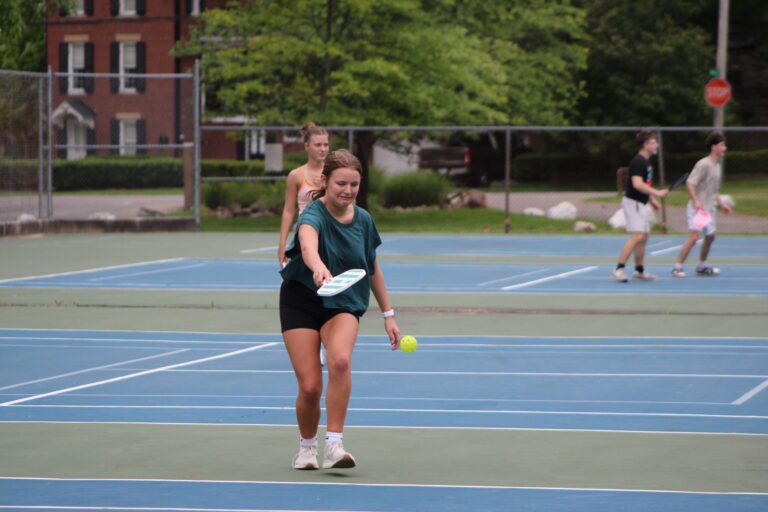
Universal Rackets breaks blocked speed-ups into three mistakes. First, players speed up balls they have no right to — below the net in a dink rally — so the ball goes flat or up and is easy to block.
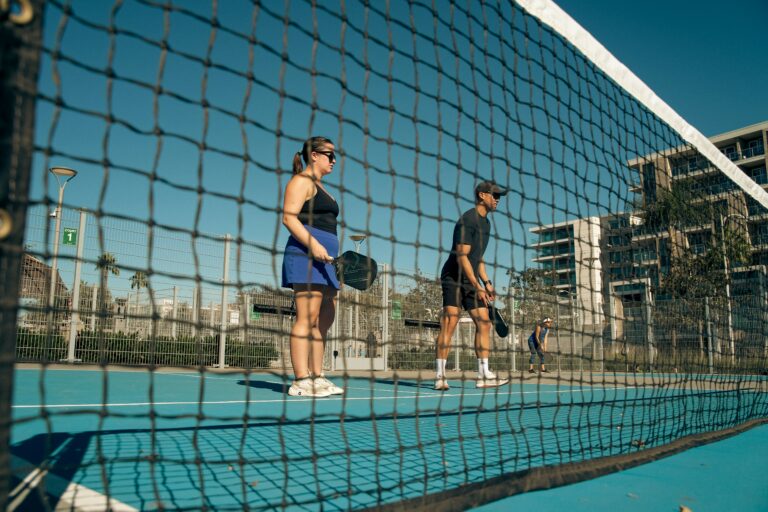
Universal Rackets lists the downside of casually backing off the kitchen. A ball that was up and attackable at the line dies by the time it reaches you farther back, so what was offensive or neutral becomes defensive.
Universal Rackets answers when moving back is actually right.
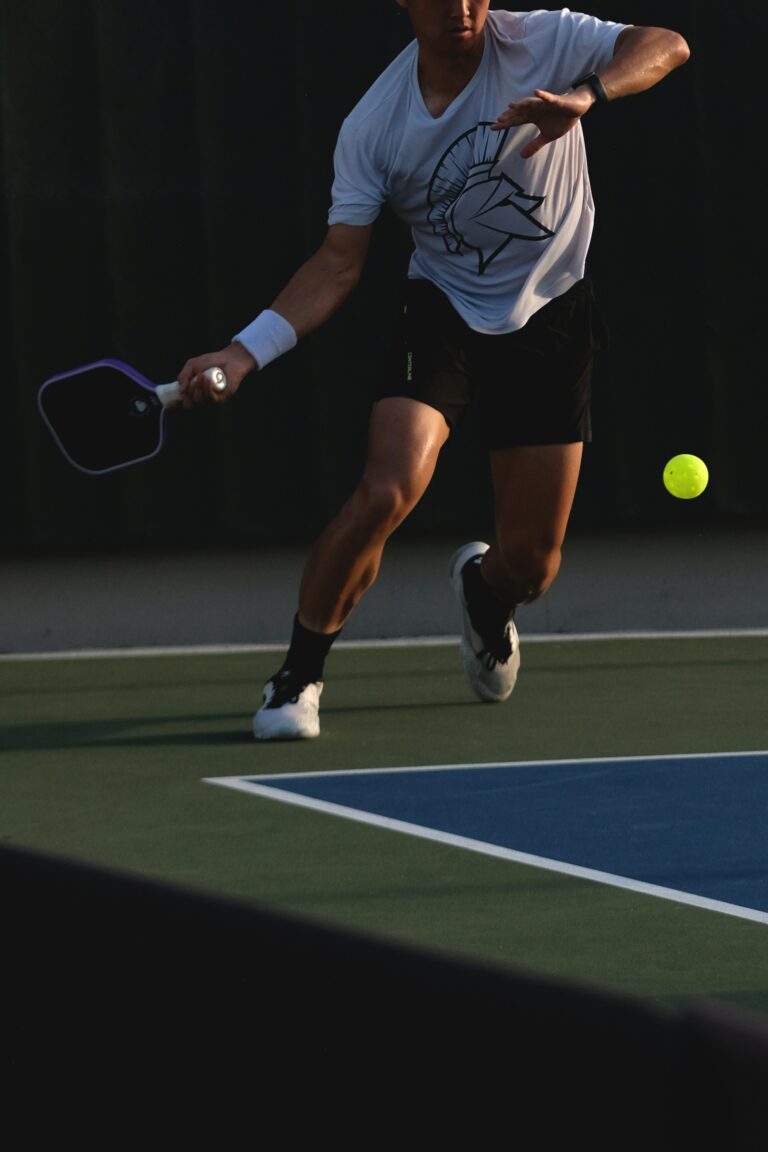
Universal Rackets shares the best piece of advice he ever got at the kitchen: make your dinks look like your speed-ups, or your speed-ups look like your dinks.
Universal Rackets’ cue for reliable dinks is to reach out and take the ball early. Waiting for it to drop at your feet is what breaks down once rallies get long and the level goes up.
Universal Rackets ties ready position and follow-through together with one cue: your non-dominant hand should touch the paddle after every dink.