Faster Hands: Elbow Tucked, Paddle Out Front, Finish Where You Start
Universal Rackets says slow hands usually come from two habits: taking the paddle back and flaring the elbow out, which gets you jammed.

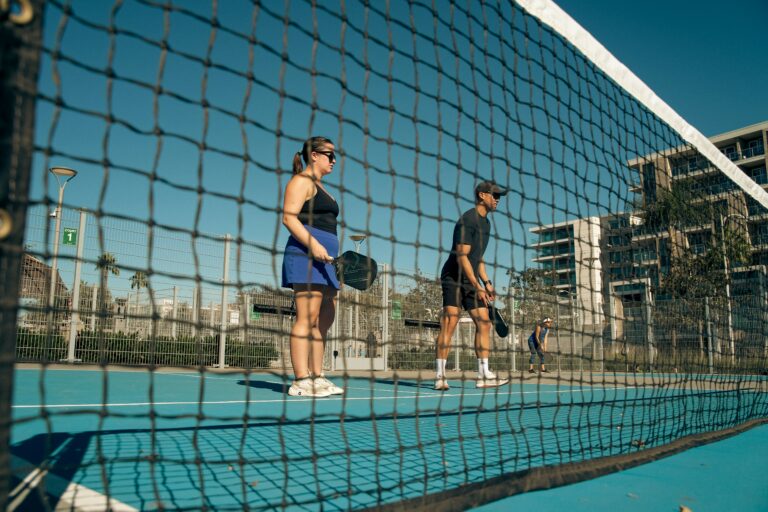
Universal Rackets says slow hands usually come from two habits: taking the paddle back and flaring the elbow out, which gets you jammed.
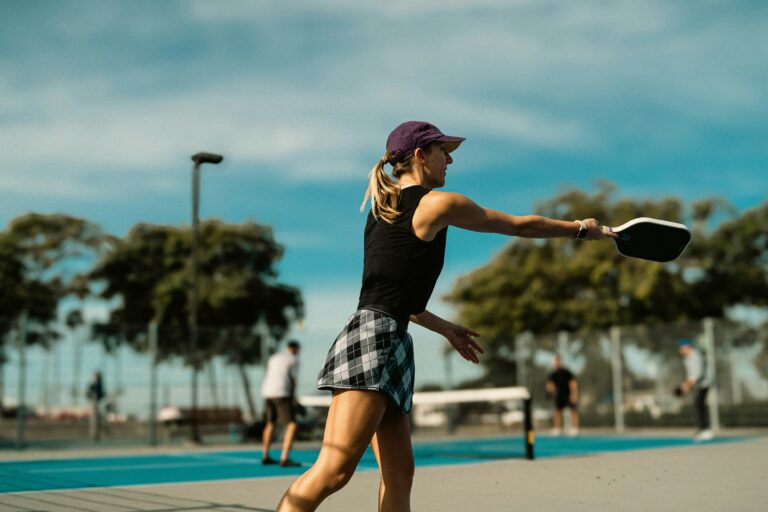
Universal Rackets’ first speed-up fix is selection. The #1 reason speed-ups get blocked is attacking the wrong ball — below net height you have no downward angle, so the ball goes flat or up and is easy to block.

Universal Rackets maps common serve misses to swing mistakes. Stopping at contact sends it long; swinging too forward dumps into the net; swinging too upward sails out.
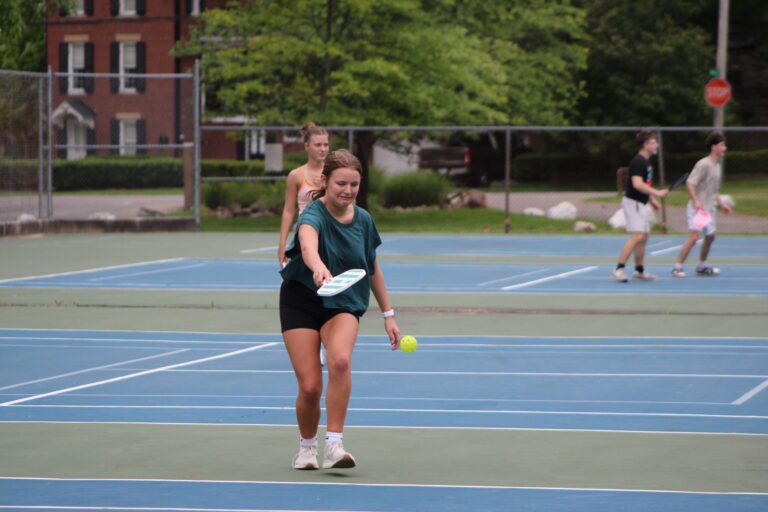
Universal Rackets: floating backhand slices usually mean you are chopping down under the ball. Keep a high-to-low shape, but drive through the ball instead of cutting under it.

Universal Rackets breaks serve faults into three mechanical causes — not nerves alone. First: inconsistent drop.

Universal Rackets gives three mechanical fixes for floating returns. Swing forward through the ball instead of upward.

Universal Rackets reframes the speed-up: players try to end the point at 100% and miss into the net or long. A speed-up is about changing space/tempo — roughly 70% — not a pure heater.
Universal Rackets on speed-up targets: aim at the center of the person so even a miss still finds the dominant hip, dominant shoulder, or a jammed zone. That margin beats trying to paint a tiny line.
Universal Rackets reframes the speed-up: it is not meant to end the point — it starts a fast exchange. After you attack, reload instantly so you can finish the block back.
Universal Rackets on return mechanics: body and weight must go forward through the hit. Players err by contacting and falling backward, which floats the ball.