Speed-Up = Change of Pace, Not a Huge Swing
All Things Pickleball flags the biggest speed-up mistake: swinging from zero to one hundred. Huge swings are telegraphed and often sail long.

All Things Pickleball flags the biggest speed-up mistake: swinging from zero to one hundred. Huge swings are telegraphed and often sail long.
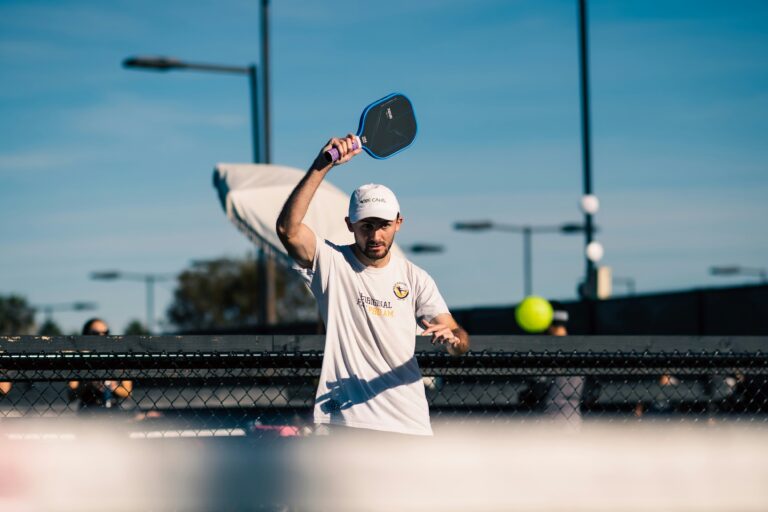
Aylex on spin vs no-spin drops: adding spin means brushing faster for more RPM, which raises timing risk. A drop is usually a defensive shot — you are already stressed, so layering a brush is a bad trade.

Aylex explains why so many drops float: players swipe and cut through a deep ball with the paddle up, so the ball rises — especially on the backhand. Shrinking the swipe still leaves a floater.
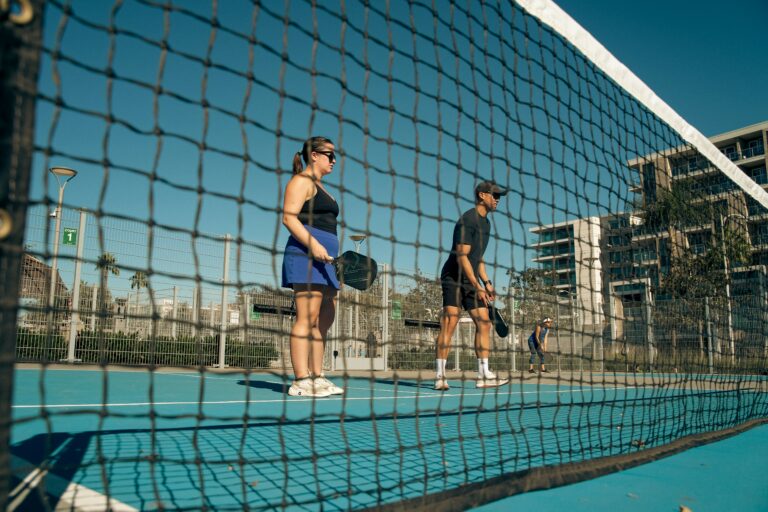
Aylex coaching on pace: when balls come faster, open the paddle face rather than keeping a closed drive angle. Form more of a shovel/scoop, especially as the ball pushes you back.
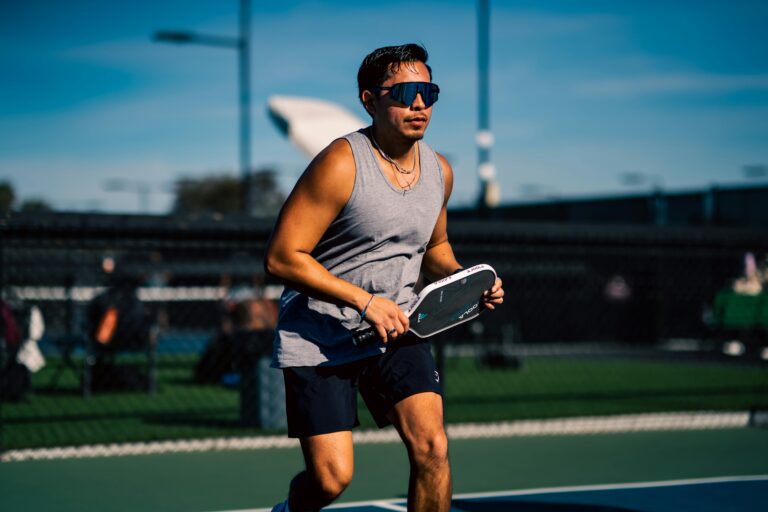
In an Aylex Academy challenge clip, the underdog adjusts strategy against a pro who closes too fast for soft drops. Plan: aim more center and deep, skip the drop they will crash, and look cross-court when the lane is there.
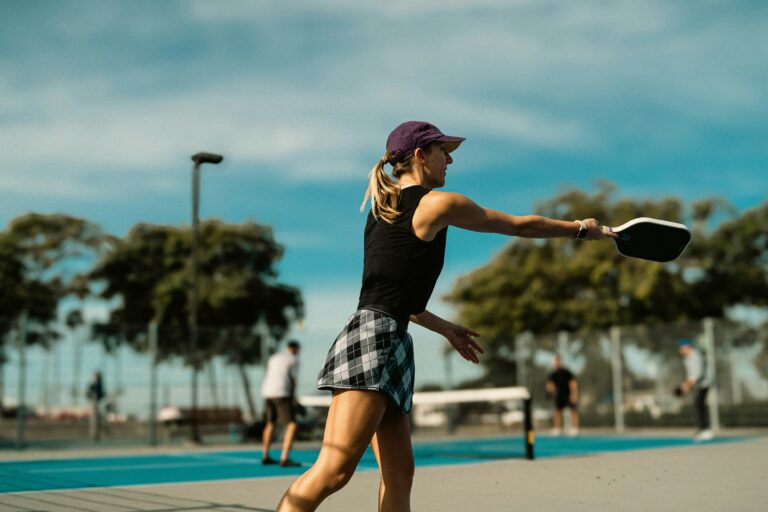
Aylex Pickleball Academy makes the case for rushing the net. The plan: hit an okay-in return (a bunt, not a hero ball) and bum-rush forward.
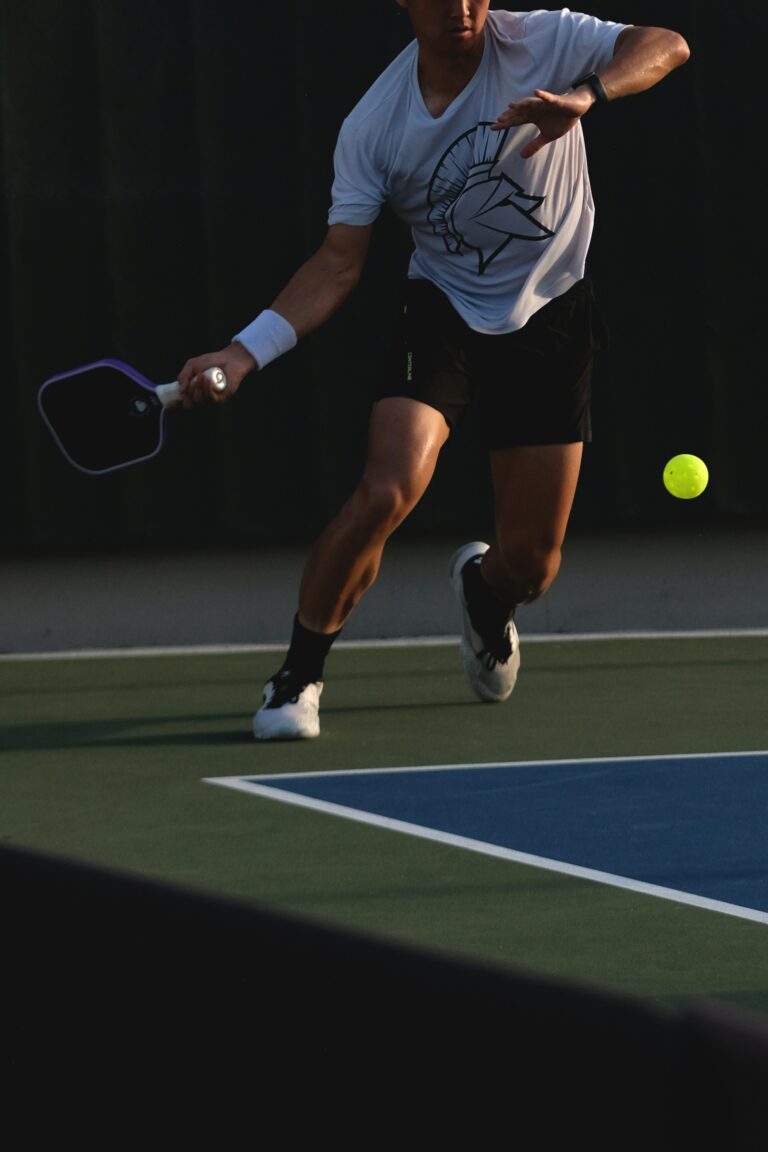
John Cincola’s short is a kitchen hands-battle cue: when to take a forehand versus a backhand under pace. Firefights go wrong when you default to one wing and reach across your body.
Universal Rackets dumbs strategy down to physics. When you contact above the net you can swing high-to-low — offense and pace are on.
Kyle Koszuta’s rule for open play, rec, and drilling: pick one thing — maybe two, usually one. Narrowing focus accelerates improvement because you actually finish a change before stacking the next.
Preston’s Playbook strips the drop to essentials. Prepare early with the paddle below the ball and lock the elbow and wrist.