Kitchen Control: Three Spaces, Tier List, Ones & Twos
Jordan Briones teaches a kitchen framework: dinks set up attackable balls — keep them low and move opponents before speeding into strong counters.


Jordan Briones teaches a kitchen framework: dinks set up attackable balls — keep them low and move opponents before speeding into strong counters.
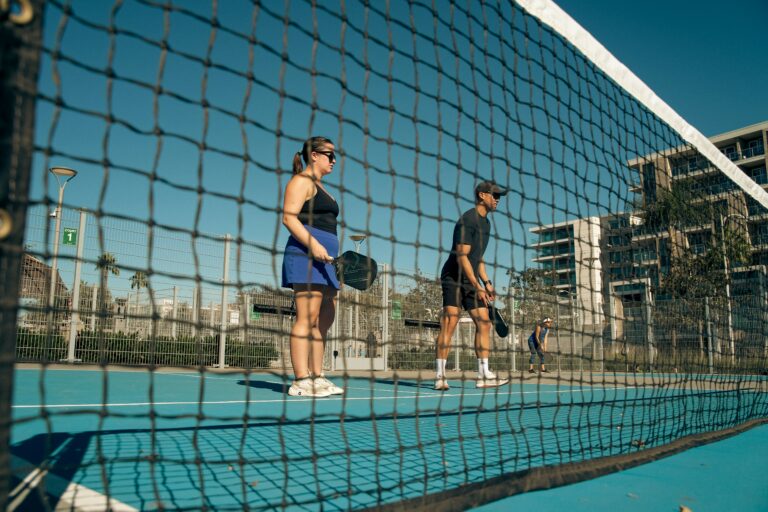
Universal Rackets on speed-up targets: aim at the center of the person so even a miss still finds the dominant hip, dominant shoulder, or a jammed zone. That margin beats trying to paint a tiny line.
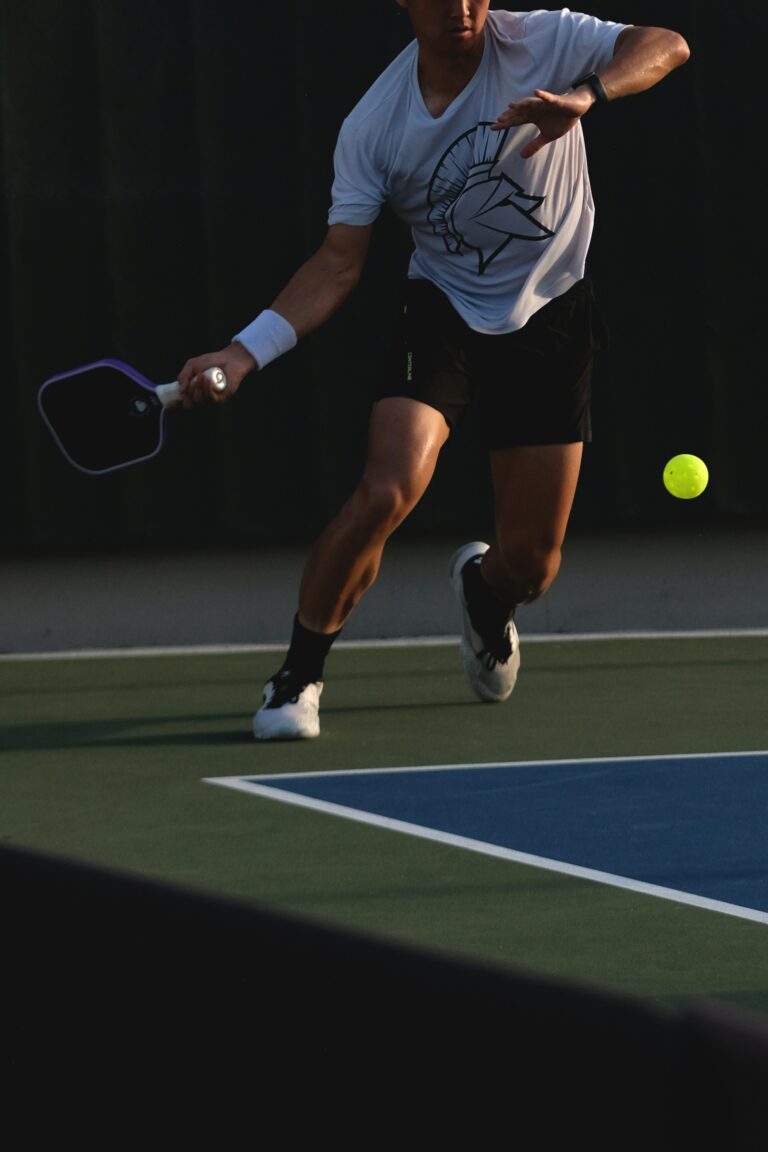
Tanner shares a pro deception pattern: when you get a dead ball you could attack, pause behind it, watch where the opponent sits to cover, and dink it back instead.
Aylex Academy flags why rallies die early: players speed up for no reason instead of building a consistent exchange. The prettier win is placement that forces an error — winning by the setup, not the blast winner.
Universal Rackets reframes the speed-up: it is not meant to end the point — it starts a fast exchange. After you attack, reload instantly so you can finish the block back.
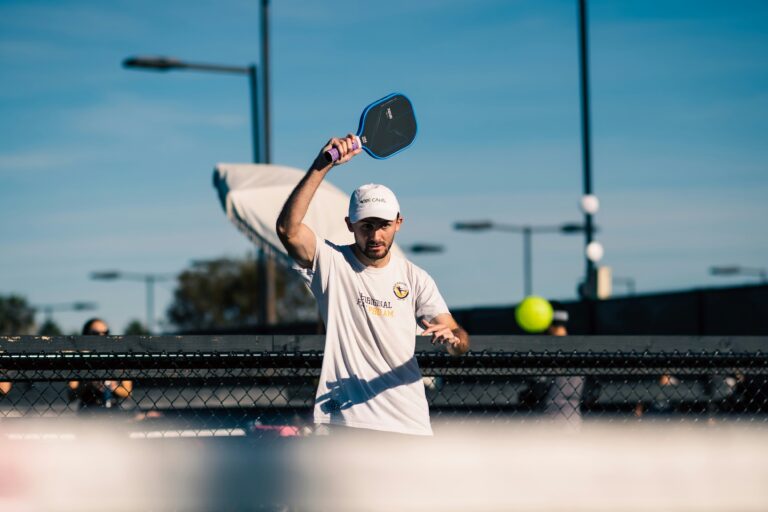
Richard Pickleball says the biggest dead-ball mistake is standing still once the ball dies — you jam yourself and waste the attack. Recognize the dead ball, take a step back, and get set early.
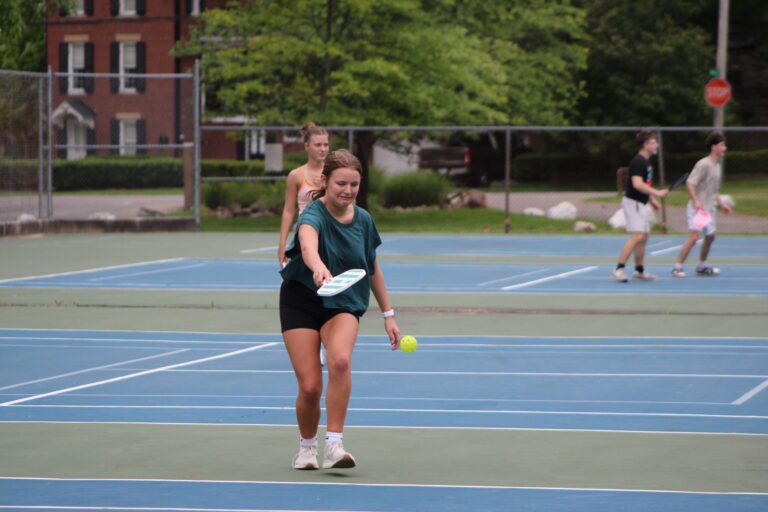
Marshall Brown (Selkirk TV) teaches beating better teams with the forward-momentum drive: hit the third and already crash so the returner’s margin shrinks and they miss under pressure.

Anna Leigh Waters breaks down one of her most advanced shots: the backhand poach.
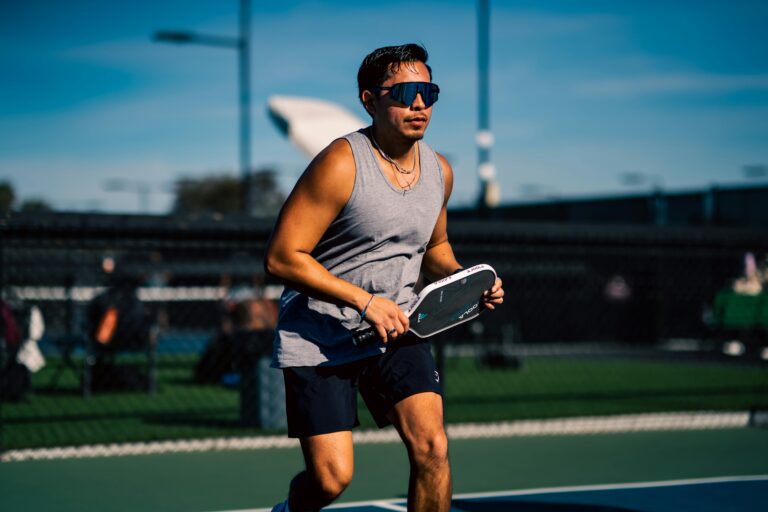
Universal Rackets on return mechanics: body and weight must go forward through the hit. Players err by contacting and falling backward, which floats the ball.
Tanner explains why amateurs struggle to flick low balls: they keep the paddle sideways because tip-down feels uncomfortable. Sideways flicks miss wide on slight mishits and cannot truly attack low balls.