ALW Backhand Poach: Off the Down-the-Line Third
Anna Leigh Waters breaks down one of her most advanced shots: the backhand poach.

Anna Leigh Waters breaks down one of her most advanced shots: the backhand poach.
Ed Ju’s essentials are off-court footwork blocks that transfer to sprinting the kitchen, split steps, hip quickness, agility, and rotational power for drives.
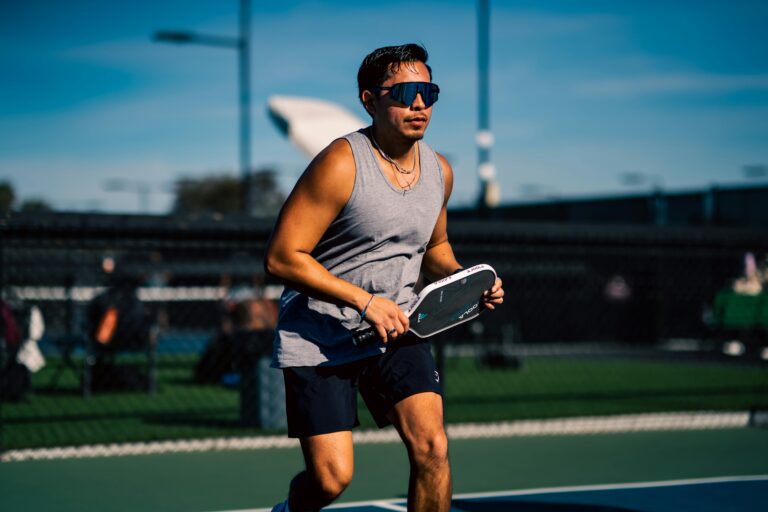
Universal Rackets ties the split step to a childhood dodgeball edge that came from tennis muscle memory. Hopping lightly as the throw left someone’s hand made it easy to push off and move.
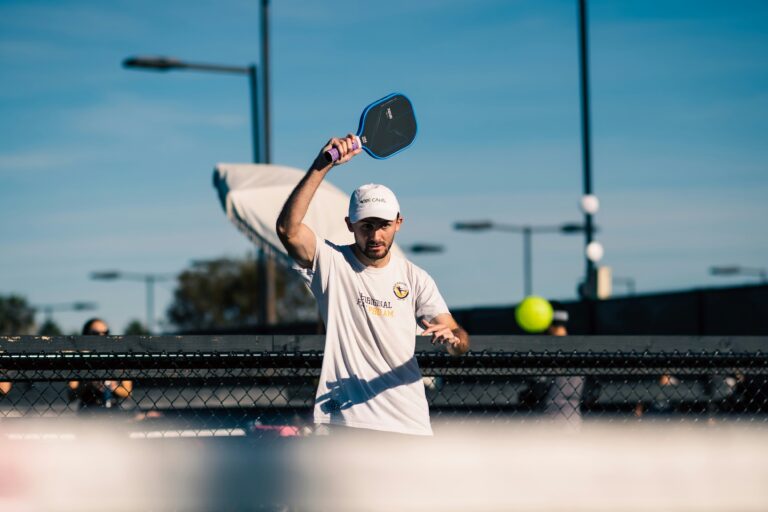
Coach Jess of Athena Pickleball boils improvement down to five concepts that pay off at every level.
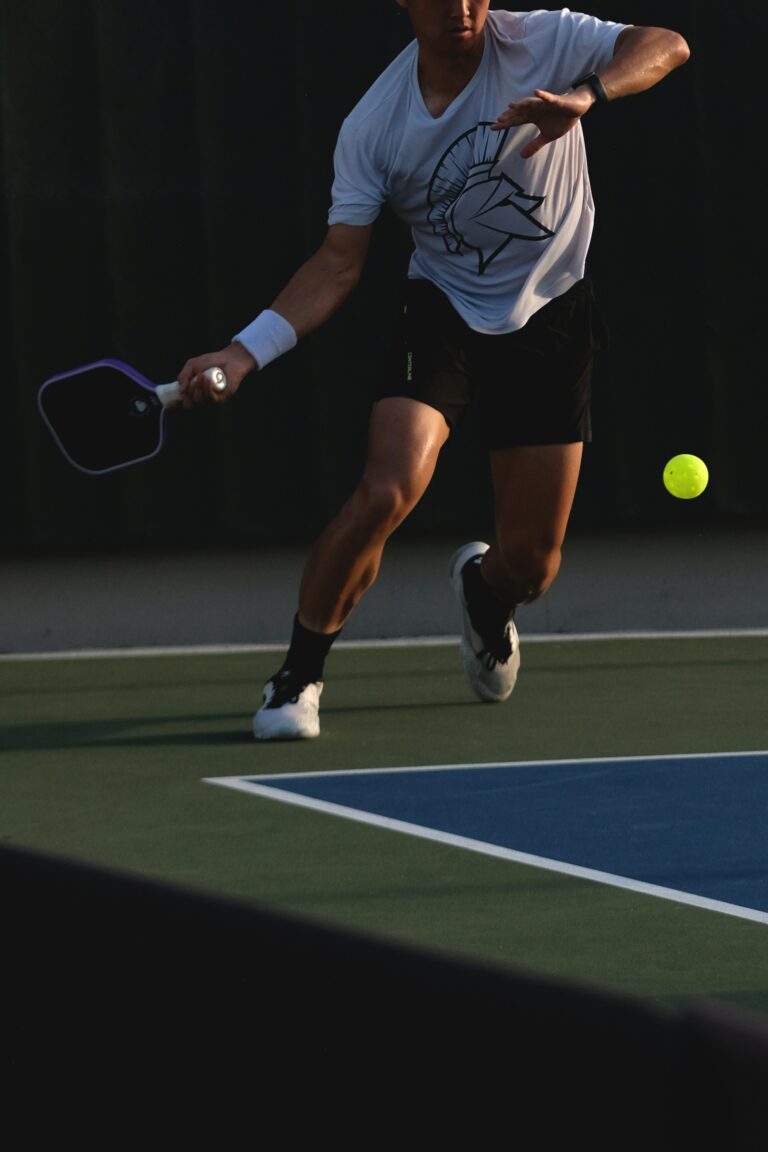
Tanner flags a common mid-court panic: players late to the kitchen try to run through a hard drive with one hand. The open face sprays the ball everywhere.
Briones Pickleball Breakdown walks through a high-percentage transition: the team is already on defense, softens a ball, and instead of sprinting in blindly they take their time closing.
In Selkirk TV Episode 9, Coach Matthew Haley tells tennis converts that the full tennis split step doesn’t fit every pickleball moment — the court is smaller and the ball is faster — but it still earns a place in three situations: on the return of serve, when a short lob is about to be smashed, and when you’re crashing the net and need to plant right before the opponent contacts the ball.
Tanner lists three mistakes that keep players stuck at the 4.0 level. First, driving two balls in a row: if you drive the first one, drop the next one.
Troy Akin contrasts a 4.0-plus player, who is happy to hit one, two or three balls to earn the way to the kitchen, with a typical 3.5 who sprints up and hits the transition ball off balance, often popping it up.
tanner.pickleball explains why you shouldn’t sprint from the baseline to the kitchen on one ball, and how to work your way in under control.