Why Your Two-Handed Backhand Isn’t Working
Briones Pickleball Academy targets inconsistent or popping two-handed backhand dinks with two concrete errors. Number one: not creating enough space off the line. For a good two-handed topspin dink, you need time and space — catch the ball at the very top of the bounce rather than late and jammed against the NVZ line.
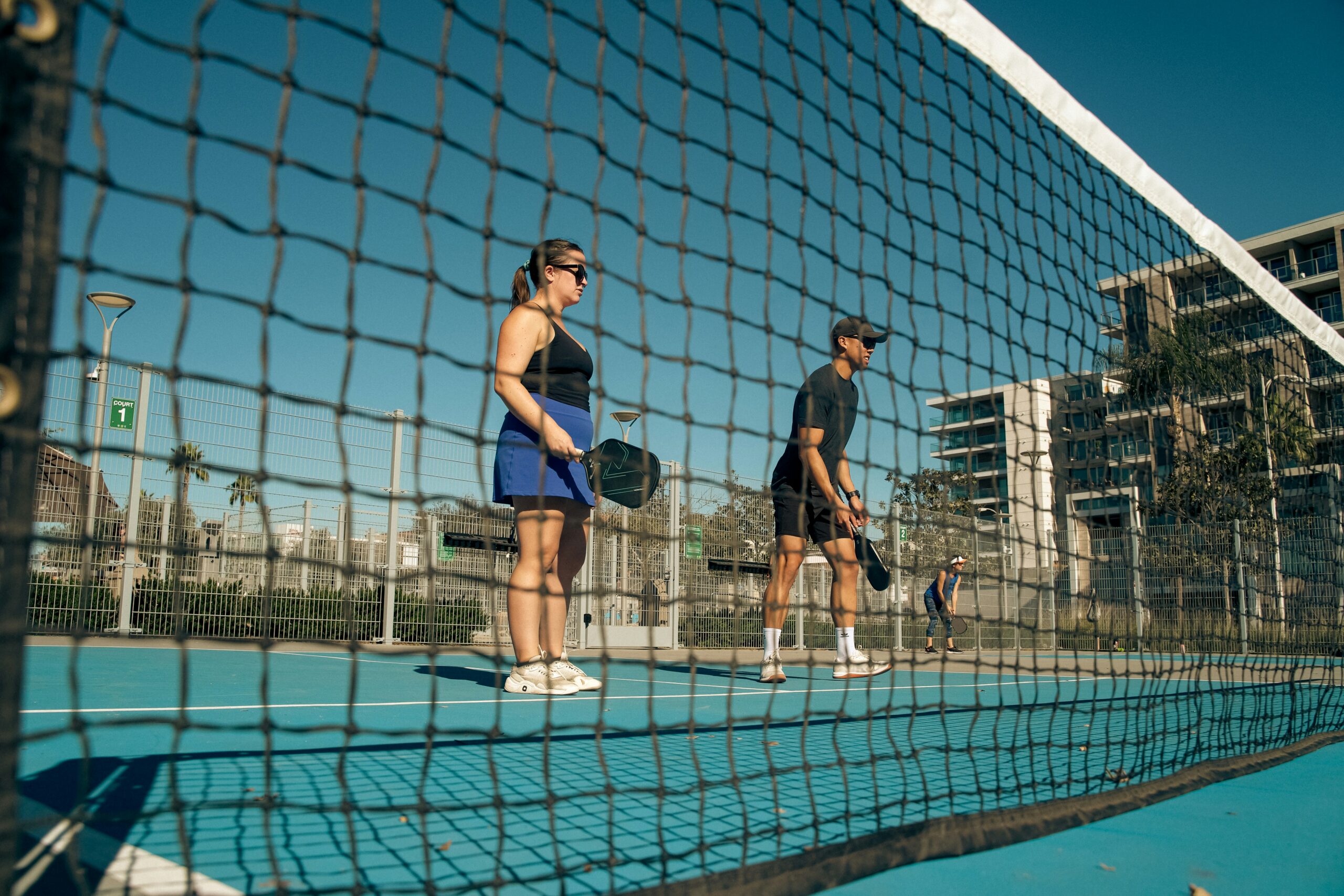
Number two: contact outside the outside leg. For a right-hander, that means not hitting out past the left leg/knee — especially on crosscourt balls. The fix is getting the contact point between the knees, centered in the stance, for much more control. Reach-y outside-leg contact is the classic popup / spray pattern on the 2HBH dink.
Use these checks any time your 2HBH kitchen ball feels “wristy” or floats. The video is not teaching a full topspin curriculum; it is diagnosing the two setup mistakes that make the stroke feel broken. If you only fix contact location without creating space, you will still be late — fix space first, then center the contact.
Key takeaways:
- Create space off the line; catch at the top of the bounce
- Do not contact outside the outside leg (esp. crosscourt)
- Right-hander cue: contact between the knees / centered stance
- Inconsistency and popups often come from setup, not “weak hands”
Action items:
- Warm-up: step off the line early on purpose; call “top!” at bounce apex before contact
- Crosscourt 2HBH only: cone or tape marker between your knees as the contact zone
- Partner feeds intentionally wide crosscourt; your job is to move and recenter — no reach saves
- Film front-on: pause at contact — is the ball outside the outside leg?
- Drill 5 minutes: only top-of-bounce contacts count; late balls are let bounce twice / redo
- Partner cue “SPACE!” if you stay glued to the line
- Next session: 2HBH dink games to 11 with a “reach = lose the point” house rule
- Track popup rate before/after the between-the-knees cue for one week